
RPGs are mostly known as a single-player experience, but that was never really the full story.
If you go back to the origins of RPGs, these games were built around playing with other people. Tabletop games like Dungeons & Dragons in the 1970s introduced party roles, shared progression, and cooperative dungeon crawling. Players were not competing. They were working together, building a party, and surviving as a group.
At the same time, universities were experimenting with connected computer networks. One of the most important was the PLATO system. It was originally built for education, but it quickly became a playground for early multiplayer games. Titles like Moria, Oubliette, and Avatar let players explore dungeons together in what were basically proto-online RPGs.
These were not couch co-op games, since they required multiple computers on the same network, but they proved something important very early on: RPGs felt natural when players shared the adventure.
The hardware was not ready for local co-op RPGs yet, but the blueprint was already there.
Early Pioneers (1981–1983)
By the early 1980s, those ideas finally started moving into living rooms.
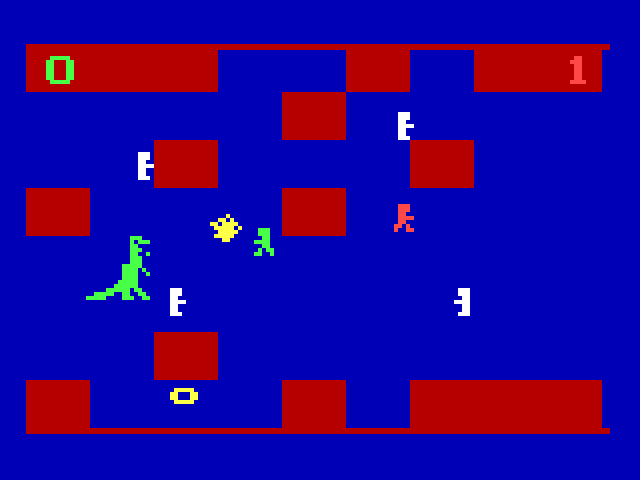
One of the earliest attempts at couch co-op RPG design was Quest for the Rings on the Odyssey² in 1981. It was half board game and half video game, so by modern standards it feels awkward, but it was still an important early attempt to bring tabletop party mechanics into a home console format.
Around the same time, developers were experimenting with how players could divide responsibilities. Swords and Serpents on the Intellivision in 1982 let one player move through the dungeon while another handled combat. It was strange and limited, but it was an early example of cooperative RPG design trying to find its footing.
That same year, Tunnels of Doom on the TI-99/4A pushed things further. It was a turn-based dungeon crawler where players managed a party together. Exploration happened in first-person, and then combat switched into turn-based battles. Only the first player could fully control exploration, so it was still limited, but it showed how cooperative strategy could work inside an RPG structure.
Then in 1983, Dandy arrived. This was one of the most important turning points of the era. It offered real-time dungeon exploration for multiple players and directly influenced later games, especially Gauntlet. Even though Dandy is mostly forgotten now, it helped shape the future of co-op dungeon crawling.
Key games from this era
Quest for the Rings – 1981 (Odyssey²) – Early board/video hybrid dungeon crawler for 2+ players.
Swords and Serpents – 1982 (Intellivision) – Top-down dungeon crawler with split player responsibilities.
Tunnels of Doom – 1982 (TI-99/4A) – Turn-based dungeon crawler with shared party management.
Dandy – 1983 (Atari 8-bit) – Direct forerunner to Gauntlet with 2–4 player dungeon exploration.
Mid-80s Dungeon Crawlers – The Gauntlet Era
In 1985, arcades changed everything with Gauntlet.
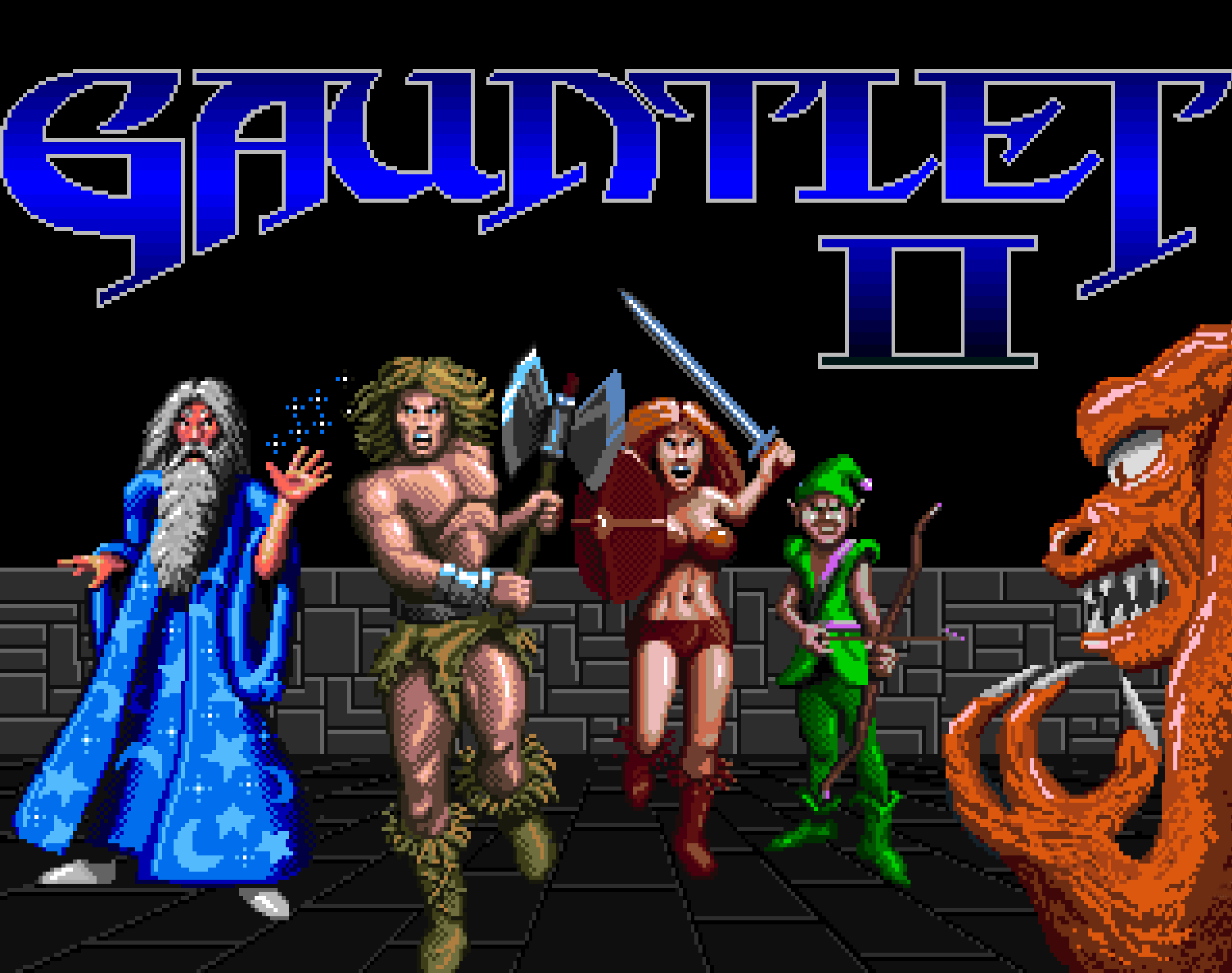
Like Dandy before it, Gauntlet offered real-time dungeon crawling for multiple players, but it refined the formula and made it iconic. Four players could battle through dungeons together, and each class had its own identity. It felt like a live-action version of tabletop party adventuring, but simplified into something anyone could immediately understand.
Games like Druid and Gauntlet II expanded on that formula, experimenting with character roles, multiplayer chaos, and the shared dungeon-crawling structure that would influence action RPGs for years.
By this point, cooperative dungeon crawling was not just an experiment anymore. It was a genre.
Key games from this era
Gauntlet – Oct. 15, 1985 (Arcade) – Legendary four-player hack-and-slash dungeon crawler.
Druid – 1986 (C64 / Atari 8-bit) – Two-player action RPG with asymmetrical roles.
Gauntlet II – Aug. 1986 (Arcade) – Expanded co-op sequel.
Late 1980s – RPG Mechanics Start Mixing In
By the late 1980s, developers started blending more RPG mechanics into action games.
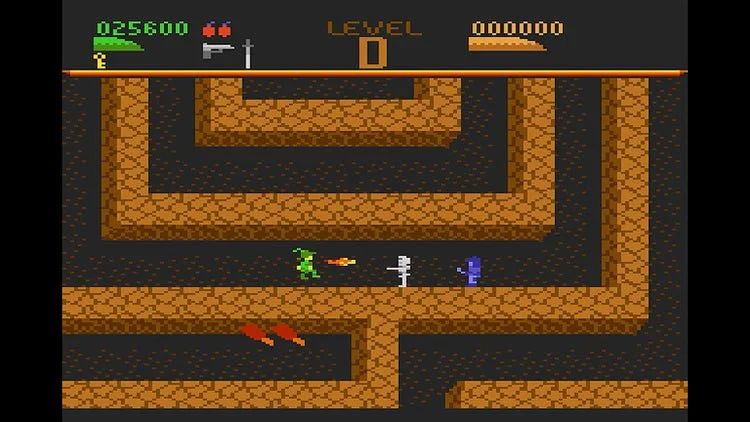
Dark Chambers was one of the standouts. It felt like a spiritual successor to Dandy, and while the Atari 2600 version is interesting historically, the Atari 7800 version is the one I usually recommend. It is basic, but it is a genuinely solid co-op dungeon crawler.
In arcades, Cadash took RPG elements and applied them to a side-scrolling fantasy action game. It also had some exploration and progression ideas that make it feel surprisingly close to a proto-Metroidvania in some ways.
River City Ransom deserves a special mention here too. On the surface, it looks like a basic beat ’em up, but it has stats, upgrades, shopping, exploration, and learnable abilities. It was way ahead of its time, and it helped define the action RPG hybrid long before that became common.
One of the biggest breakthroughs for home consoles came with Dungeon Explorer on the PC Engine. This was one of the first couch co-op RPGs to support five-player local multiplayer, which is still rare even now. Around the same time, games like Bloodwych and Double Dungeons experimented with split-screen dungeon crawling, trying to bring deeper cooperative RPG experiences into the home.
Key games from this era
Dark Chambers – 1989 (Atari 2600 / 7800 / 8-bit) – Gauntlet-style dungeon action.
Dungeon Explorer – Nov. 15, 1989 (PC Engine / TurboGrafx-16) – Five-player action RPG.
Bloodwych – 1989 (Amiga / Atari ST / DOS) – Split-screen dungeon RPG with two-player co-op.
Double Dungeons – 1989 JP / 1990 NA (PC Engine / TurboGrafx-16) – Two-player split-screen first-person dungeon RPG.
River City Ransom – Apr. 1989 JP / 1990 NA (Famicom / NES) – Beat ’em up with RPG stats, shopping, and progression.
Cadash – Dec. 1989 JP / 1990 NA (Arcade) – Side-scrolling fantasy action RPG with two-player co-op.
Early 1990s – JRPG Ideas Meet Co-Op Design
By the early 1990s, cooperative RPGs were branching out in a lot of interesting directions.
Games like Little Ninja Brothers and Super Ninja Boy mixed top-down JRPG exploration with real-time battle. They played like a weird blend of action RPG and beat ’em up, and after each battle you gained experience and leveled up. These were important because they showed that Japanese-style RPG ideas could work in a cooperative setting too.
Arcus Odyssey on the Genesis pushed more into straightforward action RPG territory. At the same time, Capcom brought more RPG mechanics into arcades with The King of Dragons and Knights of the Round, both of which added leveling systems to side-scrolling co-op brawlers.
Even more traditional JRPGs were starting to test cooperative ideas. Final Fantasy IV included a hidden feature that let a second player control party members during battle. It was limited, but it still mattered. It was an early step toward shared JRPG experiences.
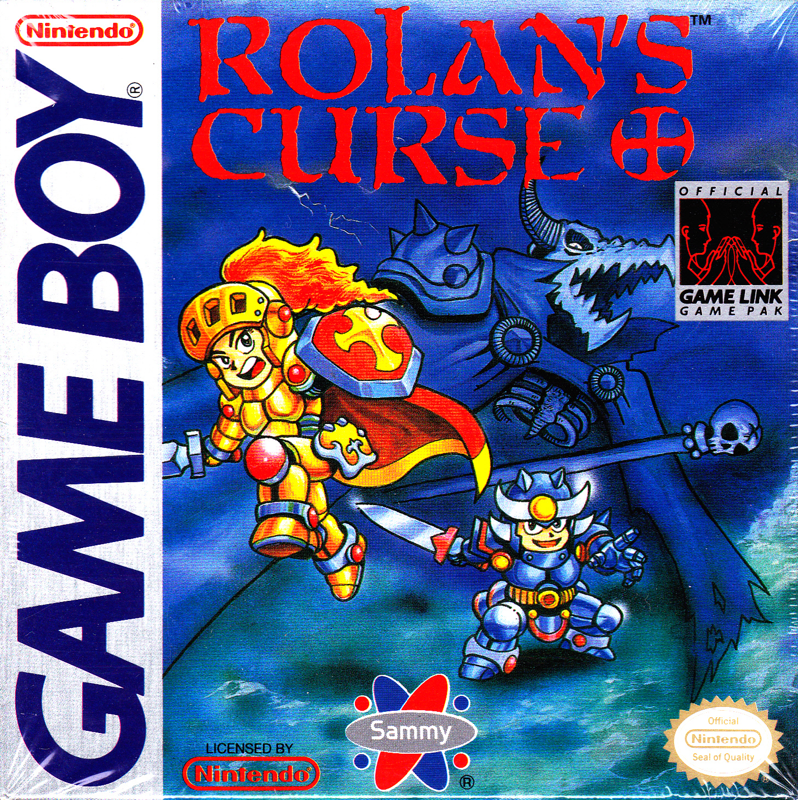
Handhelds got involved too. Ultima: Runes of Virtue and Ultima: Runes of Virtue II offered co-op on Game Boy through link cables, while Rolan’s Curse and Ninja Boy 2 showed that even portable systems could support co-op RPG ideas.
Key games from this era
Swords and Serpents – Sept. 1990 (NES) – Four-player dungeon crawler on NES.
Little Ninja Brothers – 1990 (NES) – Co-op JRPG with action combat.
Rolan’s Curse – 1990 (Game Boy) – Two-player link-cable fantasy RPG.
100 World Story – 1991 (Famicom) – Board-game-style RPG with multiplayer.
Arcus Odyssey – Jun. 14, 1991 (Mega Drive / SNES) – Two-player isometric fantasy action RPG.
The King of Dragons – Aug. 5, 1991 (Arcade) – Three-player fantasy brawler with leveling.
Knights of the Round – Nov. 27, 1991 (Arcade) – Three-player beat ’em up with RPG mechanics.
Ultima: Runes of Virtue – 1991 JP / 1992 NA (Game Boy) – Handheld co-op Ultima.
Final Fantasy IV – 1991 (SNES) – Second player can control party members in battle.
Bill & Ted’s Excellent Video Game Adventure – Apr. 1991 (Atari Lynx) – Adventure-RPG on handheld.
Super Ninja Boy – 1991 JP / 1993 NA (SNES) – Two-player action RPG.
Gauntlet III: The Final Quest – 1991 (Amiga / ST) – Four-player entry in the Gauntlet lineage.
Early–Mid 1990s Growth – The Mana Revolution
If Gauntlet defined arcade co-op dungeon crawling, then Secret of Mana defined couch co-op action JRPGs.
Released in 1993, it let up to three players control party members in real time. That was a huge deal. It turned a genre that was mostly treated as solo into a shared adventure in a large, colorful world. At the time, it felt like one of the biggest and most ambitious co-op RPGs ever made.
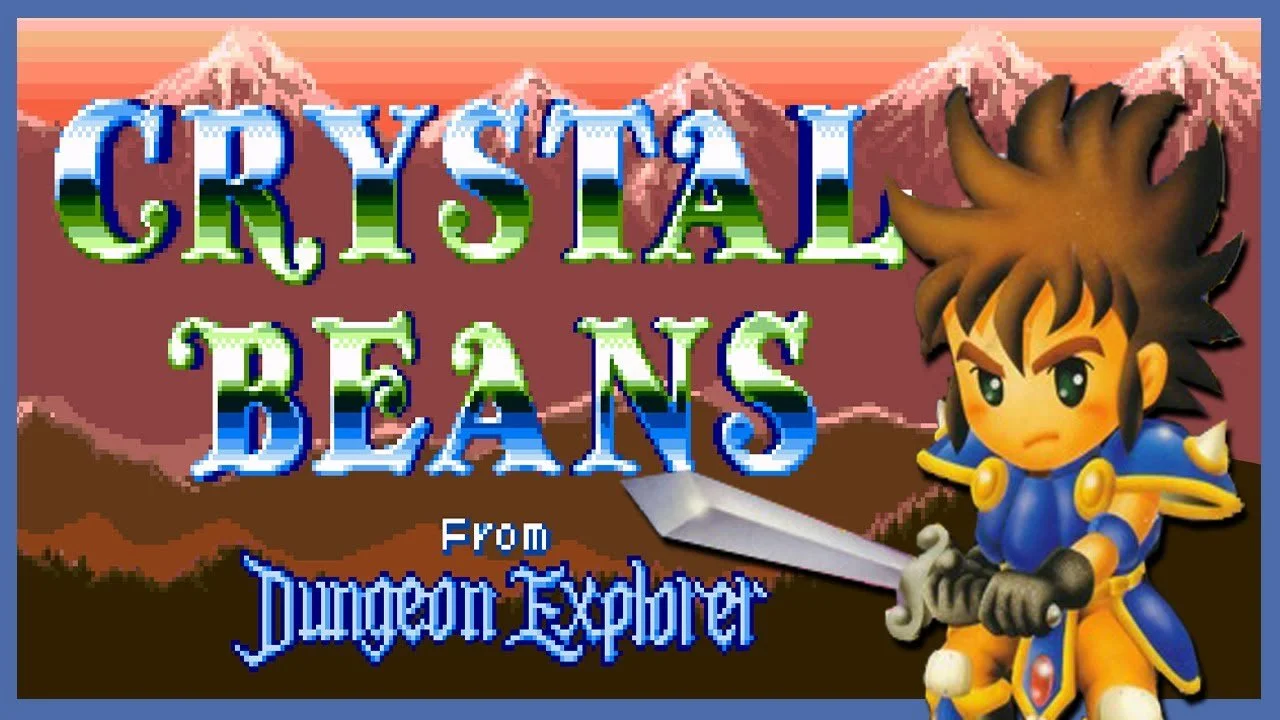
Around the same time, there was a wave of cooperative RPG experimentation, especially in Japan. Games like Super Chinese World 2, Ganbare Goemon 3, Ruin Arm, Kenyuu Densetsu Yaiba, and Crystal Beans: From Dungeon Explorer all pushed the genre in slightly different directions.
Then there was Seiken Densetsu 3, the sequel to Secret of Mana. It improved on the original in a lot of ways, even though it was only two-player instead of three. It is still one of the most important cooperative action RPGs of its era.
Arcades kept pushing things too. Dungeons & Dragons: Tower of Doom and Shadow over Mystara combined beat ’em up gameplay with branching paths, classes, loot, and light role-playing systems years before modern ARPGs made that formula mainstream.
This was also a period where co-op RPG design spread into other genres. Guardian Heroes and Front Mission: Gun Hazard showed that the idea could work in brawlers, mech games, and other hybrids too.
Key games from this era
Ninja Boy 2 – 1993 (Game Boy) – Co-op action RPG.
Ultima: Runes of Virtue II – 1993 (Game Boy) – Expanded co-op sequel.
Hired Guns – 1993 (Amiga / DOS) – Four-player split-screen sci-fi dungeon crawler.
CMWC – 1993 (PC Engine CD, JP) – Two-player RPG with anime presentation.
Gauntlet IV – 1993 (Genesis / Mega Drive) – Four-player quest-based Gauntlet update.
Secret of Mana – Aug. 6, 1993 (SNES) – Three-player action JRPG.
Super Chinese World 2 – 1993 (Super Famicom) – Two-player action RPG sequel.
Ganbare Goemon 3 – Dec. 16, 1994 (Super Famicom, JP) – Action-RPG / platformer hybrid.
Ruin Arm – 1994 (Super Famicom, JP) – Two-player co-op action RPG.
Kenyuu Densetsu Yaiba – 1994 (Super Famicom, JP) – Two-player action RPG.
Crystal Beans: From Dungeon Explorer – 1995 (Super Famicom, JP) – Three player co-op dungeon crawler.
Super Chinese World 3 – 1995 (Super Famicom, JP) – Two-player action RPG.
Seiken Densetsu 3 / Trials of Mana – Sept. 30, 1995 (Super Famicom, JP) – Two player co-op action RPG.
Dungeons & Dragons: Tower of Doom – Jan. 1994 (Arcade) – Four-player D&D brawler with RPG systems.
Dungeons & Dragons: Shadow over Mystara – Feb. 1996 (Arcade) – Expanded four-player sequel.
Front Mission: Gun Hazard – Feb. 23, 1996 (Super Famicom, JP) – Two-player mech action RPG. Can be unlocked with cheat code.
Guardian Heroes – Jan. 26, 1996 (Saturn, JP) – Two-player story co-op brawler RPG.
Legend of Oasis – Apr. 1996 JP / 1997 NA (Saturn) – Single-player, but often mentioned in this era of action RPG experimentation.
Late 1990s – The Bridge to Modern ARPGs
By the late 1990s, co-op RPGs were evolving fast.
Tales of Destiny introduced multiplayer participation during JRPG combat. Legend of Mana let a second player control a companion. These were not full couch co-op RPGs in the modern sense, but they were important steps in the genre’s evolution.
One of the biggest moments of the era was the PlayStation port of Diablo. Up until then, Diablo was mostly seen as a PC game with online multiplayer. The PlayStation version was a huge deal because it added local co-op. That helped bring dark, loot-driven action RPG gameplay into the living room, and that influence would be felt for decades.
At the same time, Gauntlet Legends pushed the dungeon crawler formula into 3D, while Blaze & Blade explored larger cooperative worlds. This era really set the stage for the explosion that would come in the 2000s.
Key games from this era
Ungra Walker – 1997 (PC, JP) – Obscure co-op dungeon crawler.
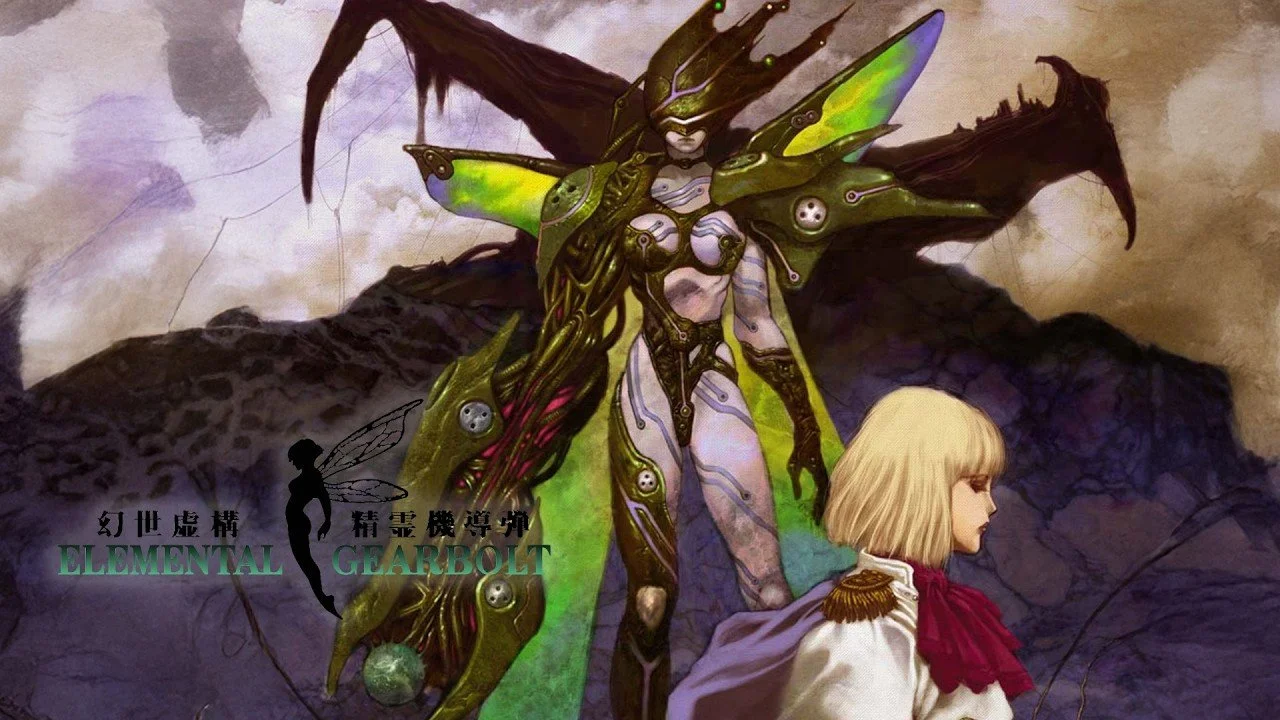
Elemental Gearbolt – 1997 JP / 1998 NA (PS1) – Light gun shooter with RPG and co-op elements.
Magicoal – 1997 (Saturn, JP) – Two-player anime-styled fantasy ARPG.
Tales of Destiny – Dec. 23, 1997 (PS1, JP) – Up to four-player co-op in combat.
Diablo – Mar. 25, 1998 (PlayStation) – Two-player local co-op port.
Gauntlet Legends – Oct. 1998 (Arcade; N64 in 1999) – Four-player 3D dungeon crawler.
Blaze & Blade: Eternal Quest – Dec. 1998 JP / 1999 EU (PS1) – Four-player action RPG.
Legend of Mana – Jul. 15, 1999 (PS1, JP) – Two-player co-op with companion control.
Tales of Destiny II / Eternia – Nov. 30, 2000 (PS1, JP) – Up to four-player co-op in combat.
2000s – The Co-Op Renaissance
The early 2000s were a golden age for couch co-op RPGs.
Baldur’s Gate: Dark Alliance helped bring the Diablo formula into living rooms in a polished, accessible way, and once that happened the floodgates opened.
This era gave us Hunter: The Reckoning, Champions of Norrath, Dungeons & Dragons: Heroes, X-Men Legends, and a bunch of other games that leaned heavily into teamwork, shared progression, class synergy, and drop-in multiplayer.
Final Fantasy Crystal Chronicles deserves special mention too. It was one of the most unique co-op RPGs of the era, but also one of the most inconvenient. Needing Game Boy Advances and link cables for multiplayer made it a pain to set up, but it was still a memorable and important experiment.
Then in 2009, Borderlands arrived and proved that cooperative RPG design could work far outside traditional fantasy dungeon crawling. It combined loot progression, character builds, and split-screen co-op with a first-person shooter structure, and that opened the door for a different kind of action RPG.
Key games from this era
Gauntlet Dark Legacy – 2000 (Arcade; consoles 2001–02) – Expanded four-player sequel.
Baldur’s Gate: Dark Alliance – Dec. 4, 2001 (PS2) – Two-player hack-and-slash RPG.
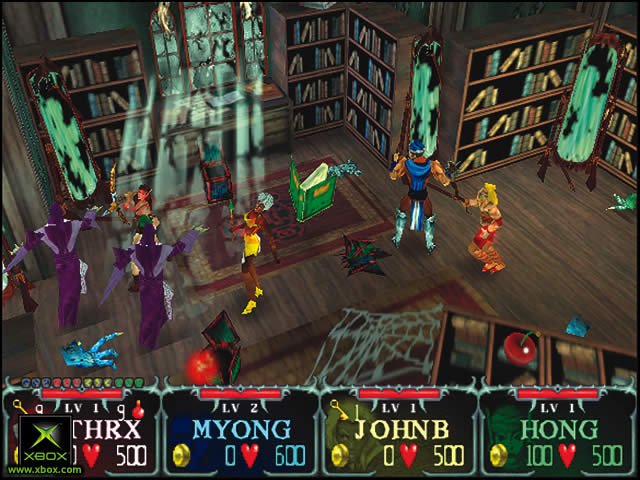
Hunter: The Reckoning – May 21, 2002 (Xbox) – Four-player gothic horror ARPG.
Final Fantasy: Crystal Chronicles – Aug. 8, 2003 (GameCube) – Four-player co-op via GBA link.
Hunter: Wayward – Sept. 9, 2003 (PS2) – Two-player sequel.
Hunter: Redeemer – Oct. 28, 2003 (Xbox) – Four-player sequel.
Dungeons & Dragons: Heroes – Sept. 17, 2003 (Xbox) – Four-player hack-and-slash.
Fallout: Brotherhood of Steel – Jan. 14, 2004 (PS2 / Xbox) – Two-player action RPG spinoff.
Baldur’s Gate: Dark Alliance II – Jan. 20, 2004 (PS2) – Two-player sequel.
Champions of Norrath – Feb. 10, 2004 (PS2) – Four-player ARPG.
Shining Tears – Nov. 3, 2004 (PS2, JP) – Two-player ARPG.
Champions: Return to Arms – Feb. 7, 2005 (PS2) – Four-player sequel.
X-Men Legends – Sept. 21, 2004 (PS2 / Xbox / GC) – Four-player Marvel action RPG.
X-Men Legends II – Sept. 20, 2005 (PS2 / Xbox / GC / PC) – Expanded four-player sequel.
Justice League Heroes – Oct. 17, 2006 (PS2 / Xbox) – Two-player DC hero ARPG.
Marvel: Ultimate Alliance – Oct. 24, 2006 (PS2 / Xbox / GC) – Four-player Marvel RPG.
Marvel: Ultimate Alliance 2 – Sept. 15, 2009 (Consoles) – Four-player sequel.
Sacred 2: Fallen Angel – Oct. 2008 PC / 2009 consoles – Two-player local split-screen.
Castle Crashers – Aug. 27, 2008 (XBLA) – Four-player fantasy beat ’em up RPG hybrid.
Fable II – Oct. 21, 2008 (Xbox 360) – Two-player action RPG.
Borderlands – Oct. 20, 2009 (PS3 / 360) – Two-player split-screen loot RPG.
Fable III – Oct. 26, 2010 (Xbox 360) – Two-player co-op with both players’ heroes.
2010s – Indie Creativity and ARPG Evolution
From 2010 onward, couch co-op RPGs started splitting into two paths.
On one side, there were bigger AAA action RPGs. On the other, there were smaller but much more experimental indie games.
Diablo III became one of the best examples of local multiplayer ARPG design on consoles, allowing up to four players on one screen and making the formula much easier to enjoy together.
Games like Magicka went in a different direction, focusing heavily on teamwork and chaotic spellcasting. Other notable releases from this era included Dragon’s Crown, Moon Hunters, Wizard of Legend, Outward, Children of Morta, Streets of Rogue, and Cat Quest II.
These games experimented with roguelike progression, storytelling, myth-building, cooperative decision-making, and very different takes on action RPG combat. The genre was no longer dominated by one formula. It was branching out in creative ways.
Key games from this era
Dungeon Siege III – Jun. 17, 2011 (PS3 / 360) – Two-player local co-op.
Hunted: The Demon’s Forge – May 31, 2011 (PS3 / 360) – Two-player fantasy ARPG.
Magicka – Jan. 25, 2011 (PC) – Four-player same-screen spellcasting ARPG.
Diablo III – May 15, 2012 PC / Sept. 3, 2013 consoles – Four-player local ARPG.
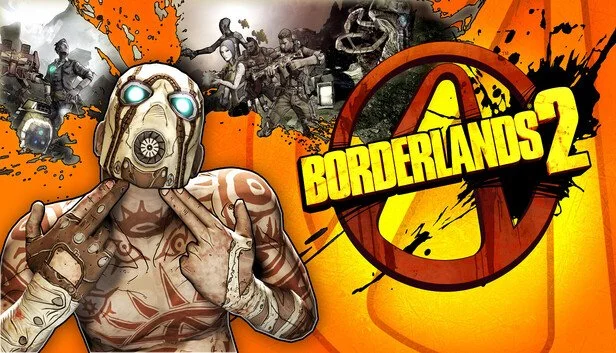
Borderlands 2 – Sept. 18, 2012 (PS3 / 360) – Two-player split-screen.
Dragon’s Crown – Jul. 25, 2013 (PS3 / Vita) – Four-player fantasy brawler RPG.
Borderlands: The Pre-Sequel – Oct. 14, 2014 – Two-player local.
Magicka 2 – May 26, 2015 (PS4 / PC) – Four-player spellcasting ARPG.
Helldivers – Mar. 3, 2015 (PS4) – Four-player same-screen action game with RPG progression.
Enter the Gungeon – Apr. 5, 2016 – Two-player co-op dungeon action with RPG progression.
Moon Hunters – Mar. 10, 2016 – Four-player myth-building RPG.
Dungeon Defenders II – Jun. 20, 2017 – Two-player local tower defense ARPG.
Wizard of Legend – May 15, 2018 – Two-player fast-paced ARPG.
Outward – Mar. 26, 2019 – Two-player open-world survival RPG.
Marvel: Ultimate Alliance 3 – Jul. 19, 2019 (Switch) – Four-player Marvel RPG.
Borderlands 3 – Sept. 13, 2019 – Two-player split-screen.
Children of Morta – Sept. 3, 2019 – Two-player roguelike RPG.
Streets of Rogue – Jul. 12, 2019 – Four-player RPG roguelite.
Cat Quest II – Sept. 19, 2019 – Two-player action RPG.
2020s – The Current State of Couch Co-Op RPGs
Today, couch co-op RPGs are in a strange but exciting place.
There are still occasional big-budget releases with local co-op support, but a lot of the most interesting ideas are coming from smaller games.
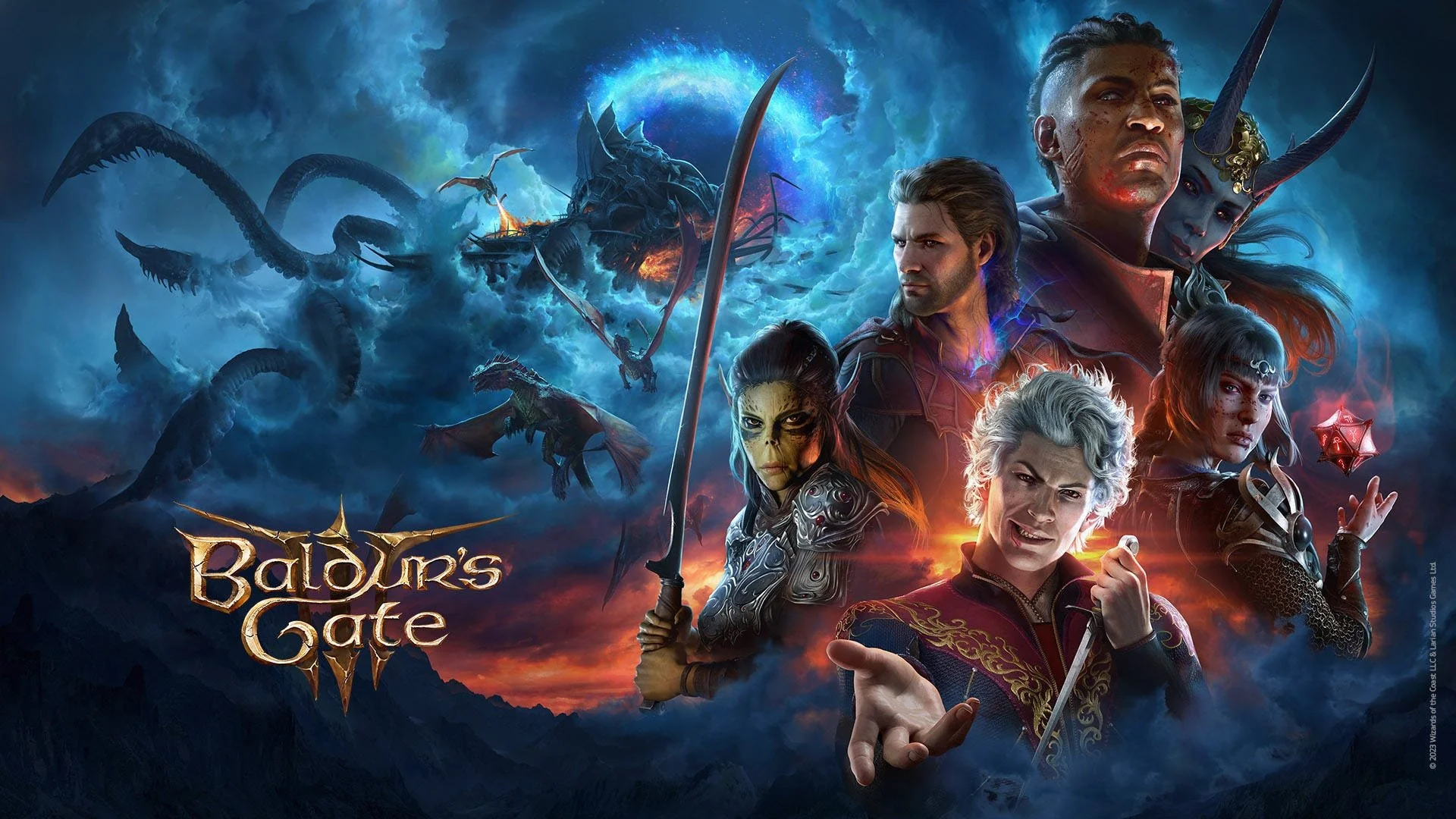
At the AAA level, Diablo IV, Baldur’s Gate 3, and Borderlands 4 show that shared RPG experiences still matter. These are big, fully realized games that let players experience long-form progression together on the same couch.
At the indie level, there are games like Nobody Saves the World, Cassette Beasts, Trinity Trigger, Haven continuing to experiment with cooperative storytelling and progression in creative ways.
In my opinion, Sea of Stars is one of the best couch co-op RPGs ever made. It has beautiful pixel art, turn-based combat with real-time elements, and it feels like a mix between Chrono Trigger and Super Mario RPG. The fact that you can play that kind of game in local co-op is a huge deal.
So even though couch co-op RPGs have never really been the main focus of the genre, they have always existed in some form. From tabletop games to PLATO, from Gauntlet to Secret of Mana, from Dark Alliance to Diablo III and Baldur’s Gate 3, the idea has survived across decades.
Because at its core, RPGs have always been about sharing an adventure.
Key games from this era
Minecraft Dungeons – May 26, 2020 – Four-player ARPG dungeon crawler.
Haven – Dec. 3, 2020 – Two-player story-driven ARPG.
Nobody Saves the World – Jan. 18, 2022 – Two-player co-op ARPG.
Tiny Tina’s Wonderlands – Mar. 25, 2022 – Two-player local split-screen.
Trinity Trigger – Apr. 25, 2023 – Three-player retro-inspired action RPG.
Cassette Beasts – Apr. 26, 2023 – Two-player monster-fusion RPG.
Diablo IV – Jun. 5, 2023 – Two-player local ARPG.
Baldur’s Gate 3 – Sept. 6, 2023 (PS5) – Two-player split-screen CRPG.
Sea of Stars – Aug. 29, 2023 – Retro JRPG with local co-op support.
Borderlands 4 – Upcoming – Major AAA continuation of split-screen loot RPG design.
Final Thoughts
Even though couch co-op RPGs will probably never be the main focus for most players, I am okay with that.
Some of the best gaming memories I have ever had came from sharing RPGs with friends growing up, with friends now, and even with my daughter. There is just something special about exploring a fully realized world with someone else in the same room.
That is true whether the game is a massive AAA release or a tiny indie experiment.
As long as couch co-op RPGs keep existing in any form, I will keep playing them.