
Introduction
I grew up playing co-op games with my brother and sister. Most weekends were spent going to our local rental store, picking up Sega Genesis and Super Nintendo boxes off the shelf, and trying to figure out what we were going to play.
We weren’t just looking for good games—we were looking for games we could play together. On Genesis boxes, there was usually a “1 or 2 players” label, which helped a little, but we still had to figure out if it was co-op or competitive.
That process—scanning boxes, guessing, taking a chance—is how I found some of my favorite co-op games of all time: Streets of Rage 2, ToeJam & Earl, and World of Illusion. And honestly, those games still hold up today.

Timeless Design vs. Modern Realism

In my opinion, a lot of these older games are timeless, and a big part of that comes down to art style and design choices.
2D pixel art, especially from the 16-bit era, just works. It always looks good. It’s stylized, intentional, and readable. That’s why so many modern games are still trying to replicate that look today.
Compare that to the early 3D era—PlayStation and Nintendo 64. Those games were pushing for realism, but they didn’t quite have the technology to pull it off, and as a result, a lot of them don’t hold up visually. They can look clunky or rough by today’s standards.
That doesn’t mean they’re bad. There’s still nostalgia there, and there’s still a charm to those visuals and controls, but when you compare them directly, 2D pixel art—especially from the SNES and Genesis era—just ages better. It’s consistently beautiful.
It Was Easier to Build Co-op Back Then

But it’s not just visuals—it’s design.
Older games were often built in a shared 2D space: one screen, no complex camera systems, no split-screen, and no perspective issues. That made co-op easier to design and easier to play.
Everyone could stay on the same screen, see the same information, and work toward the same goal. As games became more complex—3D worlds, dynamic cameras, online systems—co-op became harder to implement, especially locally, and over time it stopped being the priority.
Co-op Is No Longer the Standard

In today’s gaming landscape—especially in AAA—couch co-op just isn’t a priority anymore.
We still have multiplayer, but it’s usually online, competitive, or secondary to the main experience. There are definitely exceptions like -
Borderlands
Diablo IV
Gears of War
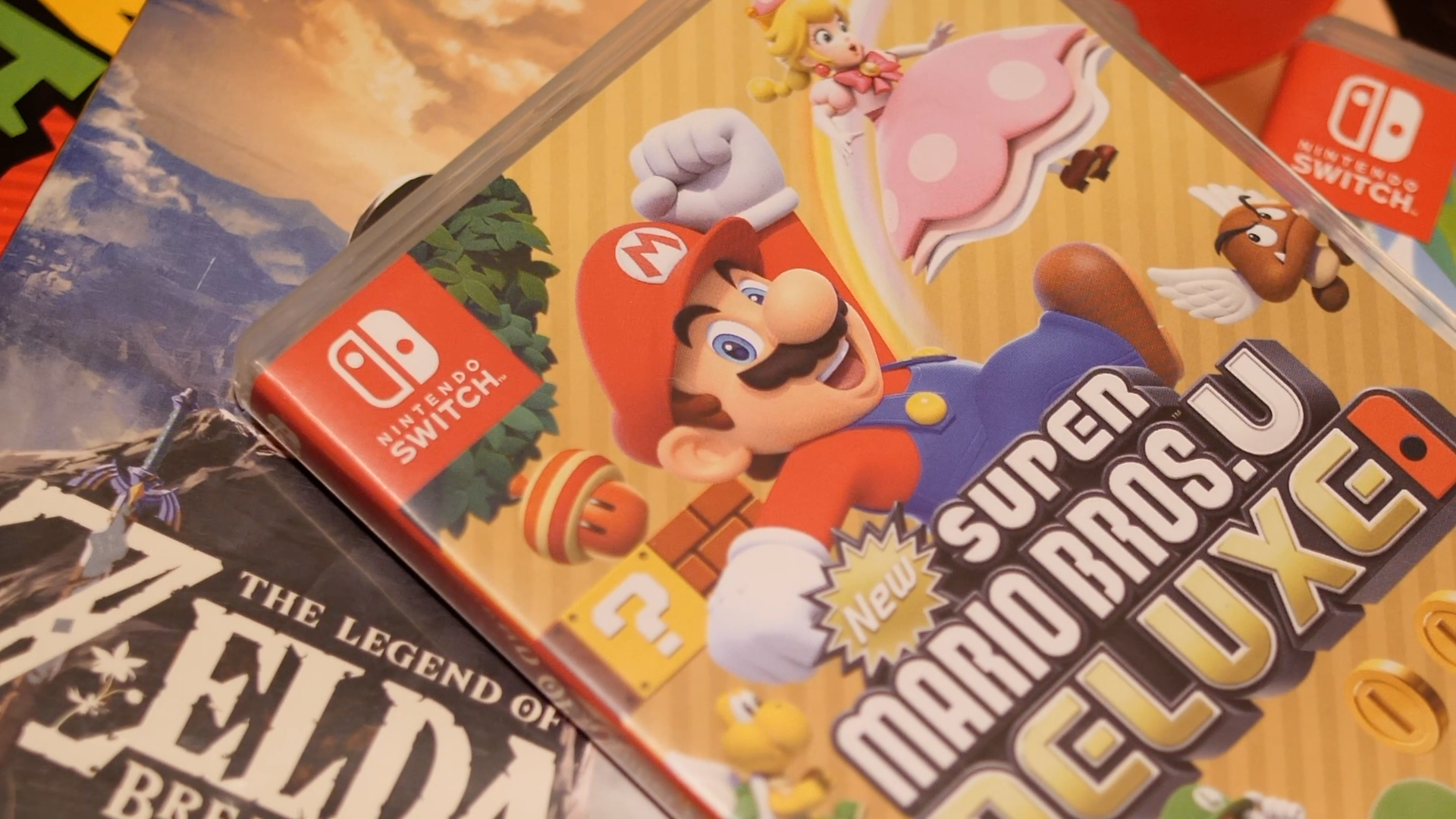
Nintendo games like Mario Wonder and Kirby
Baldur’s Gate 3
the Divinity series
Hazelight Studio games
Those games prove that co-op can still work at a high level, but they’re the exception, not the standard.
The Golden Era of Couch Co-op

For me, the golden era of couch co-op is the mid-80s arcade era through the mid-90s home console era, with some definite highlights continuing into the PS1, Sega Saturn, N64, PS2, Xbox, and GameCube.
Back then, online gaming wasn’t really a thing, so if you wanted to play with someone, you had to be in the same room. And because of that, gaming felt different.
You’d rent a game for the weekend, go to a friend’s house, have sleepovers, stay up late, eat junk food, and play that game until you beat it. It wasn’t just playing—it was an event.
Why That Experience Still Matters

That’s the part I care about most.
Whether it’s with your partner, your kids, your family, or your friends, I love making it a special thing—an event. Some people do this with sports, they get together and watch a game, but for me, it’s about getting together and playing through a game start to finish.
It’s interactive, it’s satisfying, and it’s a real bonding experience. I’ve built some of my strongest friendships this way, and I still bond over video games with my daughter. I’ve shown her games I grew up with, and we play modern games too.
When I get together with my friends, we usually do a mix of old and new. And yeah, I probably play more couch co-op games than most people because of my YouTube channel and this website, but I’m trying to do my part to keep that experience alive.
It’s Harder Now—But Still Worth It
As an adult, it’s harder to make this happen.
People are busy. We have responsibilities. We have kids. Online gaming is convenient, and I understand why it’s become the standard.
But nothing really compares to getting people together in the same room. There’s something about sharing the same space, working toward the same goal, and just being present that makes it feel more meaningful. It’s less casual and more intentional. It feels like something you planned, something you made time for.
Why Old Games Still Feel Better for Co-op

So when I say old games are better for co-op, I don’t just mean nostalgia.
They were designed around it. It was easier to build co-op into a 2D game without worrying about camera systems, split screens, or technical limitations. That made it more common, more accessible, and more natural.
And I think a lot of what we’re doing now—playing retro games, seeking out indie co-op titles—is really just trying to recreate that feeling of a simpler time. Renting games, hanging out with friends, and making a whole experience out of it. That’s the whole reason I made this website and my YouTube channel.
I want to keep that tradition alive—the practice of getting people together, playing in the same room, and bonding over a game. Not just for fun, but because it actually matters.
It doesn’t matter who you’re playing with or what you’re playing on. It doesn’t matter if it’s an old game or a new one, real hardware or emulation. Just get together, make time for it, and play something start to finish.
Final Thoughts
At the end of the day, it’s not really about whether old games are better than new ones.
It’s about the experience.
Playing co-op games together—especially in the same room—has given me some of my favorite memories, and I think a lot of us are still chasing that feeling in one way or another.
So whether it’s retro or modern, just make it a point to get together and play.
Because those are the moments that stick with you.