
Not too long ago, big story-driven games actually let two people sit on the same couch and play through the entire campaign together. I’m talking specifically about the seventh generation of consoles here, so the PlayStation 3, the Xbox 360, and the Nintendo Wii. Some of these were full split-screen campaigns, some were separate co-op story modes, and a few were just weird experiments that could only exist during that era.
And what’s easy to forget now is just how many of these games there were. It wasn’t just Halo, and it wasn’t just Gears of War. For a while it felt like every single publisher wanted their own co-op campaign, and I think that’s really cool to look back on.
THE AAA COUCH CO-OP BOOM
Gears of War is probably the first game people think of from this era, and honestly it earned that spot. It defined what an HD co-op campaign could feel like: big, cinematic, over-the-top violence, built around huge action set pieces, and you could still play through the entire story with someone right next to you. If one player went down, the other could revive them, and the whole thing felt like a buddy action movie. Gears of War 2 made everything bigger, and Gears of War 3 felt like the peak of the whole formula. Looking back, campaign co-op wasn’t some special bonus feature for one of Microsoft’s biggest franchises, it was just part of the package.
Halo was doing the same thing over on the other side, with full split-screen co-op all the way through Halo 3, ODST, and Reach. Sony had their own answer too, with Resistance: Fall of Man, Killzone 3, and Lost Planet 2 all shipping with full co-op campaigns, and even Call of Duty: World at War let you play through the story together, which feels strange to think about now. Then you had the shooters built entirely around two-player teamwork, like Army of Two and its sequels, the grimy Kane & Lynch games, Rainbow Six Vegas, and smaller ones like Fuse and The Outfit that probably would have been forgotten if not for their co-op hook.
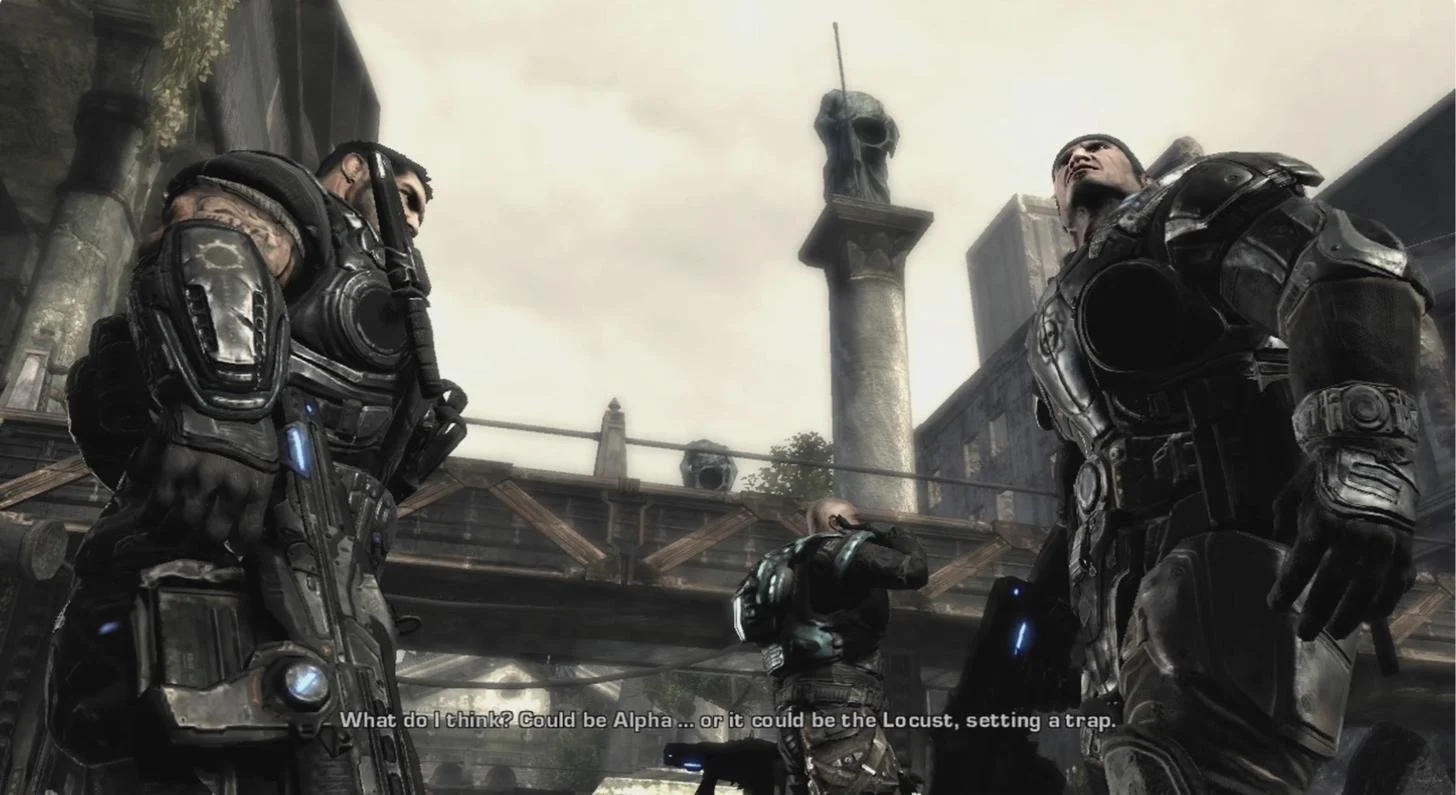
Gears of War (Xbox 360)
CO-OP HORROR
I’ve always thought horror worked really well as a co-op experience, which is kind of an underrated thing. Sure, there’s an argument that it’s scarier alone, but it’s a lot more fun to laugh at it and get scared together with somebody next to you. Resident Evil 5 might be the most important co-op horror game of the entire generation, built entirely around Chris and Sheva working together, sharing ammo, reviving each other, and covering different angles. Resident Evil 6 pushed even further into action, but Resident Evil Revelations 2 might be my favorite of the bunch, since it went with an asymmetrical setup between Claire and Moira instead of making both characters identical.
And of course, the Left 4 Dead games deserve a mention here too. They were built totally around co-op, and to this day I still think they’re some of the greatest co-op games ever made. F.E.A.R. 3 tried something different with its asymmetrical Point Man and Fettel setup, and Painkiller: Hell and Damnation leaned into fighting demons in gothic environments instead of the usual military shooter stuff. It’s wild how many different flavors of co-op horror we got in just a few years.
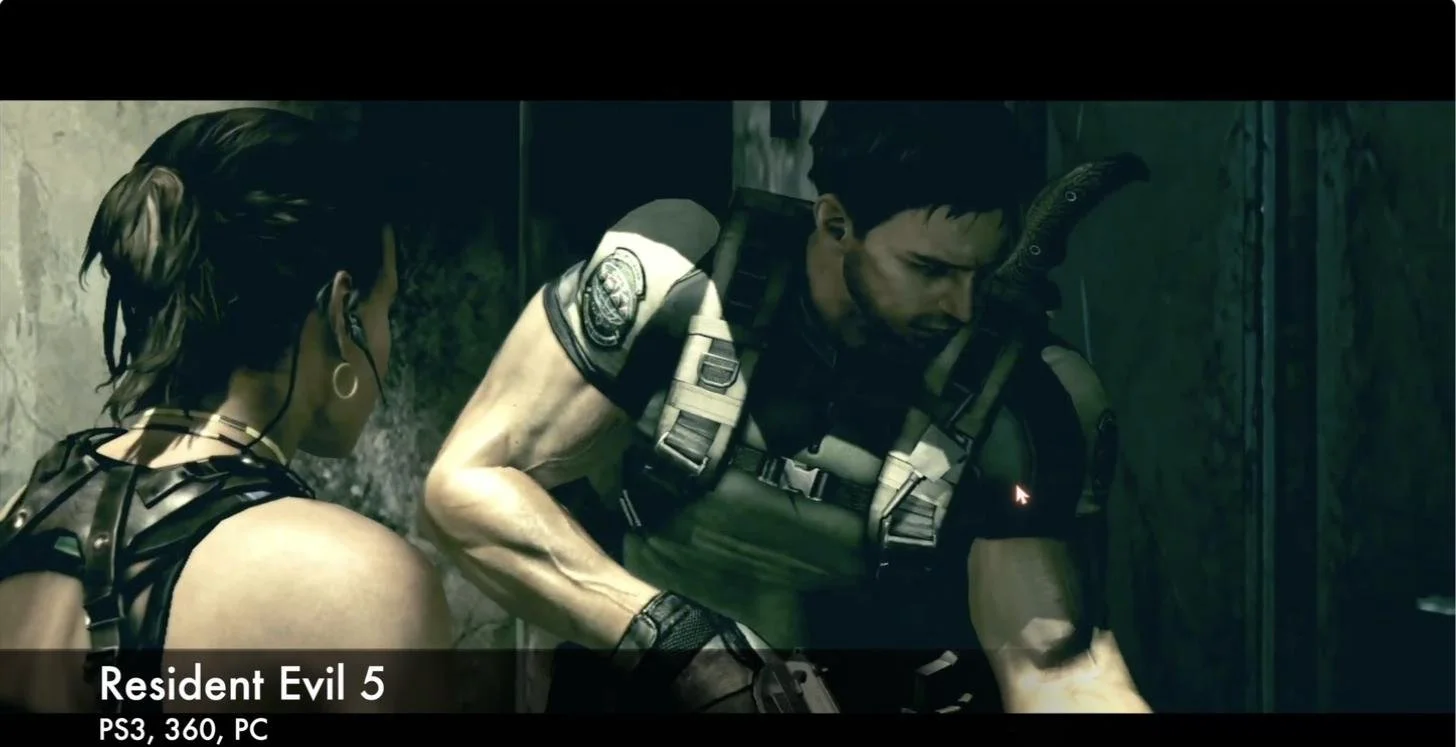
Resident Evil 5 (Xbox 360)
CO-OP WAS EVERYWHERE
This is where the generation got really interesting to me, because there wasn’t just one formula everybody was using. There were military shooters, sure, probably too many of them, but there were also horror games, RPGs, beat ‘em ups, and fantasy games all experimenting with co-op. Borderlands was one of the standout examples, mixing a first-person shooter with loot and RPG mechanics and then letting you play through the whole thing with a friend. Borderlands 2 improved on almost everything, and Handsome Jack became one of the most memorable villains of the generation.
There were plenty of other hidden gems too, like Hunted: The Demon’s Forge and the criminally underrated Lord of the Rings: War in the North. Fable 3 let you complete quests, buy property, and cause chaos together, and Watchmen: The End is Nigh was a straightforward but fun co-op beat ‘em up. But honestly, Portal 2 might be the smartest co-op game of the entire generation. Valve didn’t just bolt a second player onto the single-player campaign, they built an entirely separate one from the ground up, with new mechanics built around communication instead of just shooting things together.
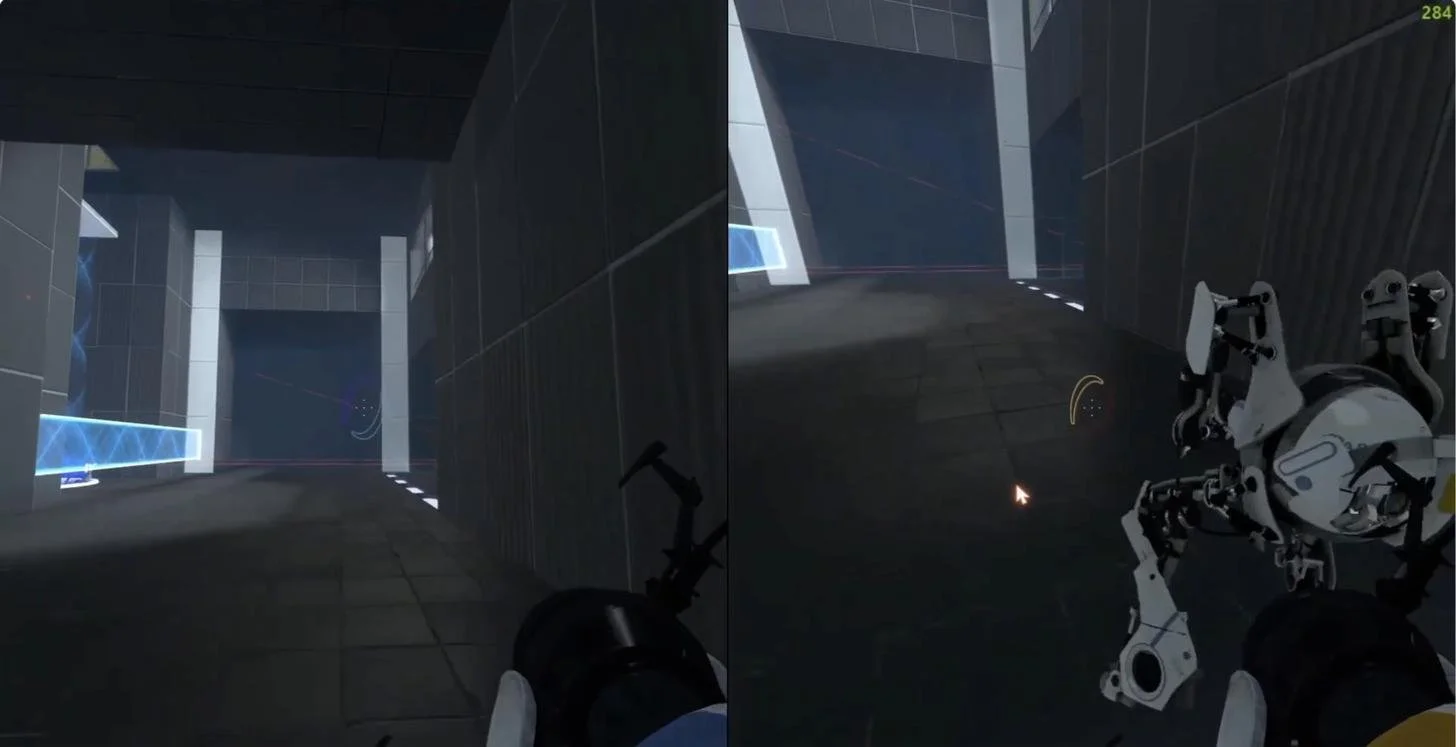
Portal 2 (Xbox 360)
THE WII DID THINGS DIFFERENTLY
While the Xbox 360 and PS3 were chasing that big cinematic action-movie feeling, Nintendo was over in its own world doing its own weird thing, which led to some genuinely interesting co-op experiences you wouldn’t get otherwise. Of course they still had first-party games like Kirby’s Epic Yarn, New Super Mario Bros., and Donkey Kong Country Returns, but the Wii also got its own versions of bigger licensed games with local co-op baked in. Ghostbusters: The Video Game is probably the best example. Most people remember the 360 and PS3 versions, but the Wii version was actually the only one you could play in local co-op, and honestly, that makes it my favorite version of the game.
Ghost Recon on the Wii got a similar treatment, an entirely different game sharing the same name, and it turns out these weren’t always direct ports at all, sometimes they were just completely separate games. Call of Duty: World at War and Modern Warfare: Reflex Edition even had an exclusive Squad mate mode on Wii, where a second player could drop in with a Wii Remote and help by aiming a cursor at enemies. It’s not traditional split-screen, but it’s exactly the kind of weird experiment that makes the Wii so interesting to talk about when it comes to local co-op.
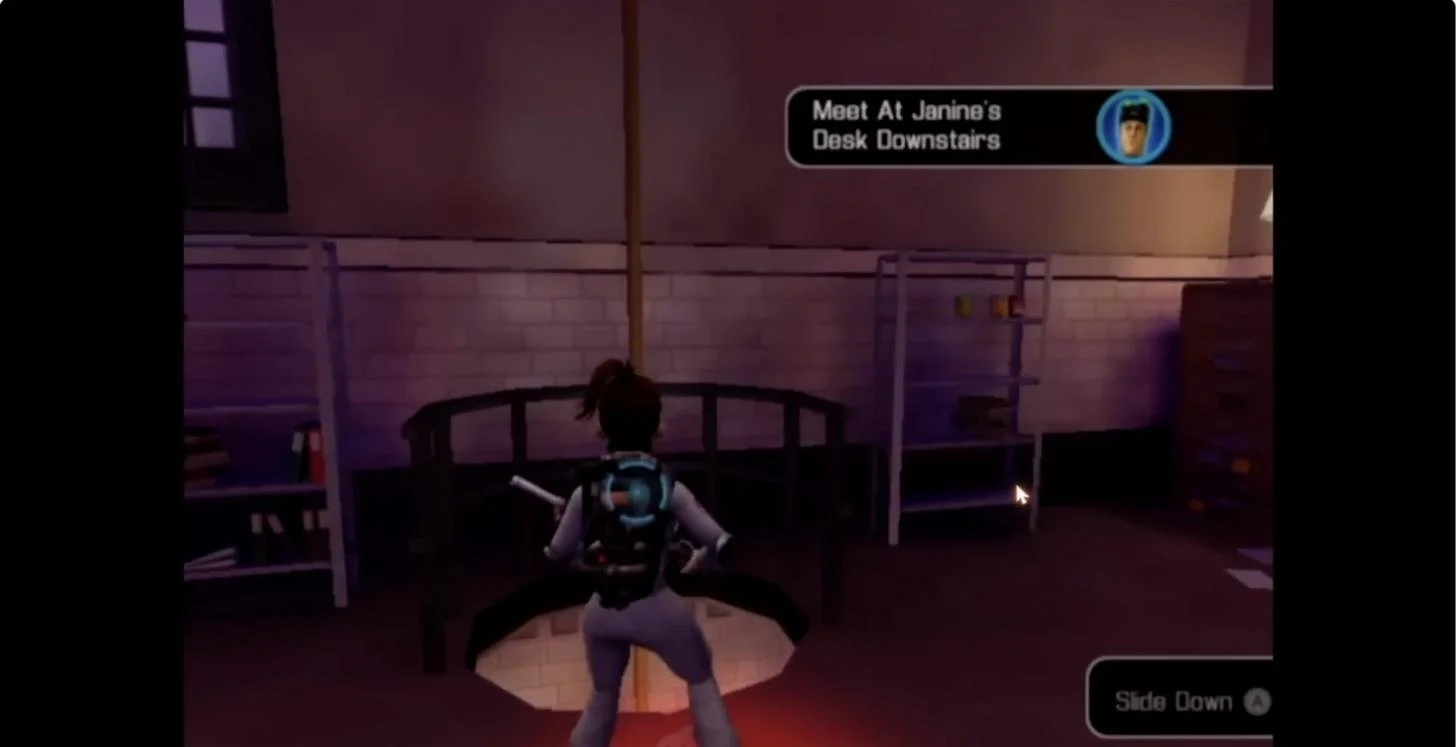
Ghostbusters: The Video Game (Wii)
THE SHIFT AWAY FROM CO-OP CAMPAIGNS
But by the tail end of this generation, you could already feel things starting to shift. Resistance 2 cut its co-op campaign down into a separate mode instead of the full story, Splinter Cell: Conviction dropped its co-op campaign as a prequel side story rather than the main event, and Rage tried something completely different with Legends of the Wasteland, standalone co-op missions that had nothing to do with the single-player campaign at all. Even Modern Warfare 2 pointed in this direction with Spec Ops, a set of short two-player missions built from campaign set pieces instead of a real co-op story.
And then Call of Duty: Black Ops came along and basically proved you didn’t need a co-op campaign to keep people playing together. Zombies had technically existed before, but Black Ops was the game that turned it into the main attraction, a mode built from the ground up for four-player co-op that didn’t need a story to justify itself. Starhawk did something similar on the PS3 side with its Prospector mode, blending base-building and co-op survival into something that felt more like its own game than a campaign tacked on. Once these games showed that co-op could thrive without a traditional campaign wrapped around it, it’s not hard to see why publishers started moving away from the format.
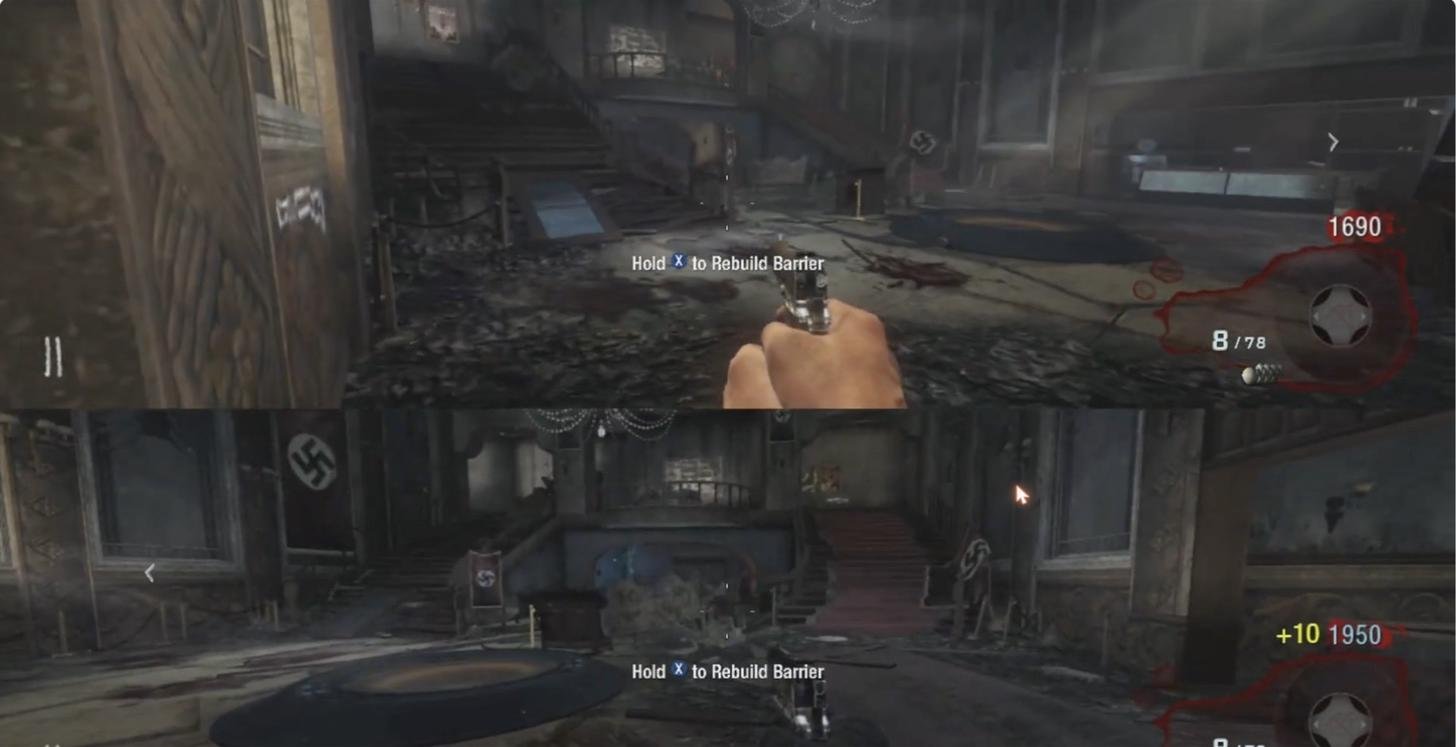
Call of Duty: Black Ops (Xbox 360)
FINAL THOUGHTS
Looking back at all of this, it’s kind of wild how much changed in such a short window. For a few years there, local co-op campaigns weren’t a bonus feature, they were the main event, something publishers built entire marketing campaigns around. Now if you want that same experience, you’re mostly looking at indie games, because the big AAA studios largely moved on to live-service shooters and battle royales instead.
I don’t think that means co-op is dead, it’s obviously thriving in its own way. But there was something special about picking up a controller, handing the second one to a friend, and knowing you were about to experience an entire story together from start to finish. Do you miss that era of gaming, or do you think we’re better off with how co-op has evolved since then?