
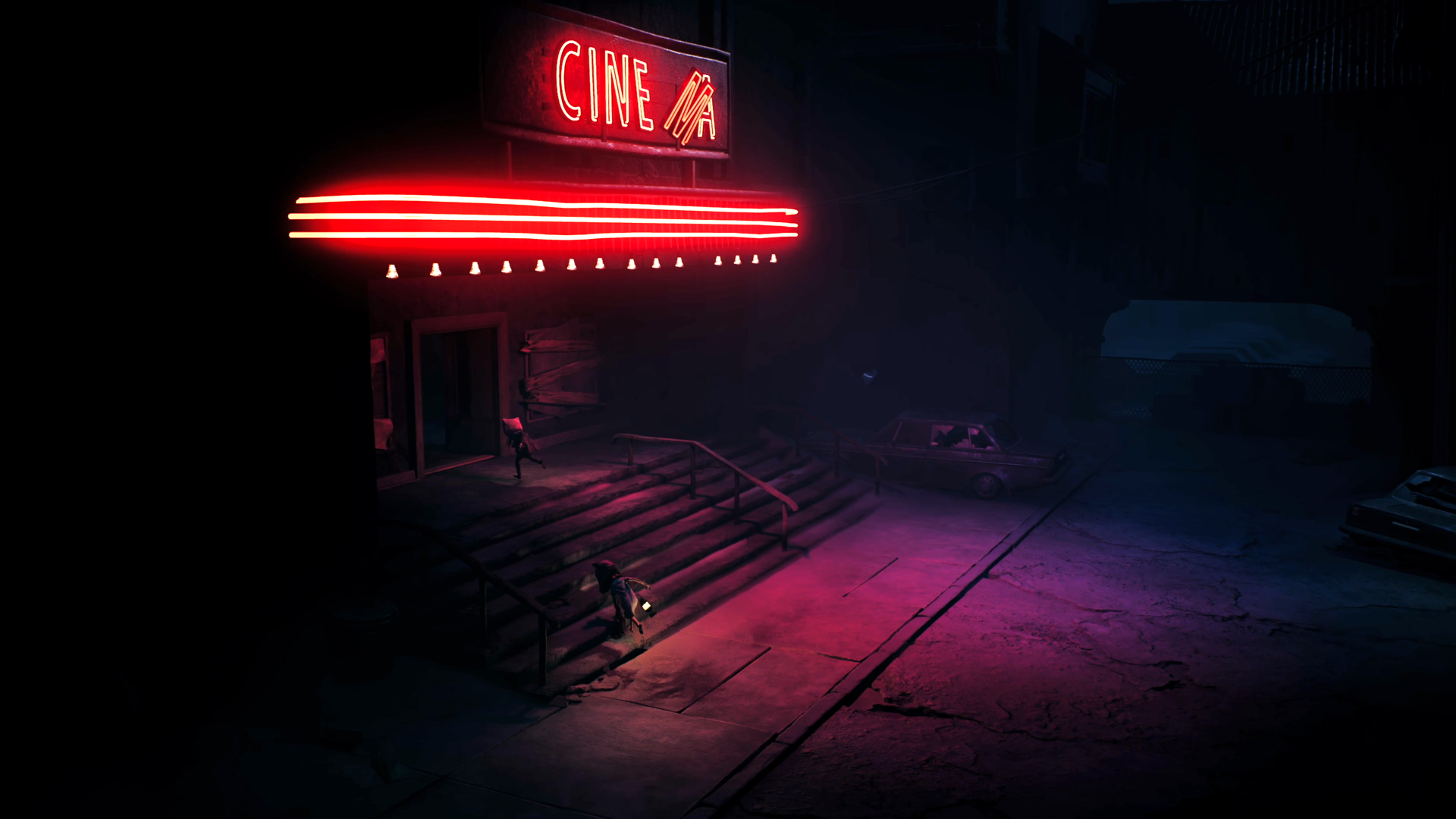
Horror games are often a single-player experience. You're meant to feel isolated and vulnerable and alone, but I think this experience can be even more fun with someone sitting next to you.
To really understand how we got here, we have to go all the way back to the early '80s. This is when developers hadn't even figured out what a horror game was supposed to be yet.
One of the first horror games ever made came out back in 1981. It's called 3D Monster Maze. This is a very early first-person horror game. You're trapped in a maze with a T-Rex. You can't fight it at all. All you're doing is trying to avoid it and escape. I think this one is really interesting because right off the bat, it nails the feeling of helplessness, and that becomes a core feature of survival horror games years later.
In 1982, Haunted House came out on the Atari 2600. It's incredibly primitive. You explore a haunted house with ghosts, bats, and spiders. But this is another early example of a game that tries to build tension through exploration rather than through combat. At this point there really wasn't a template yet, but some of these early games definitely influenced future horror games.
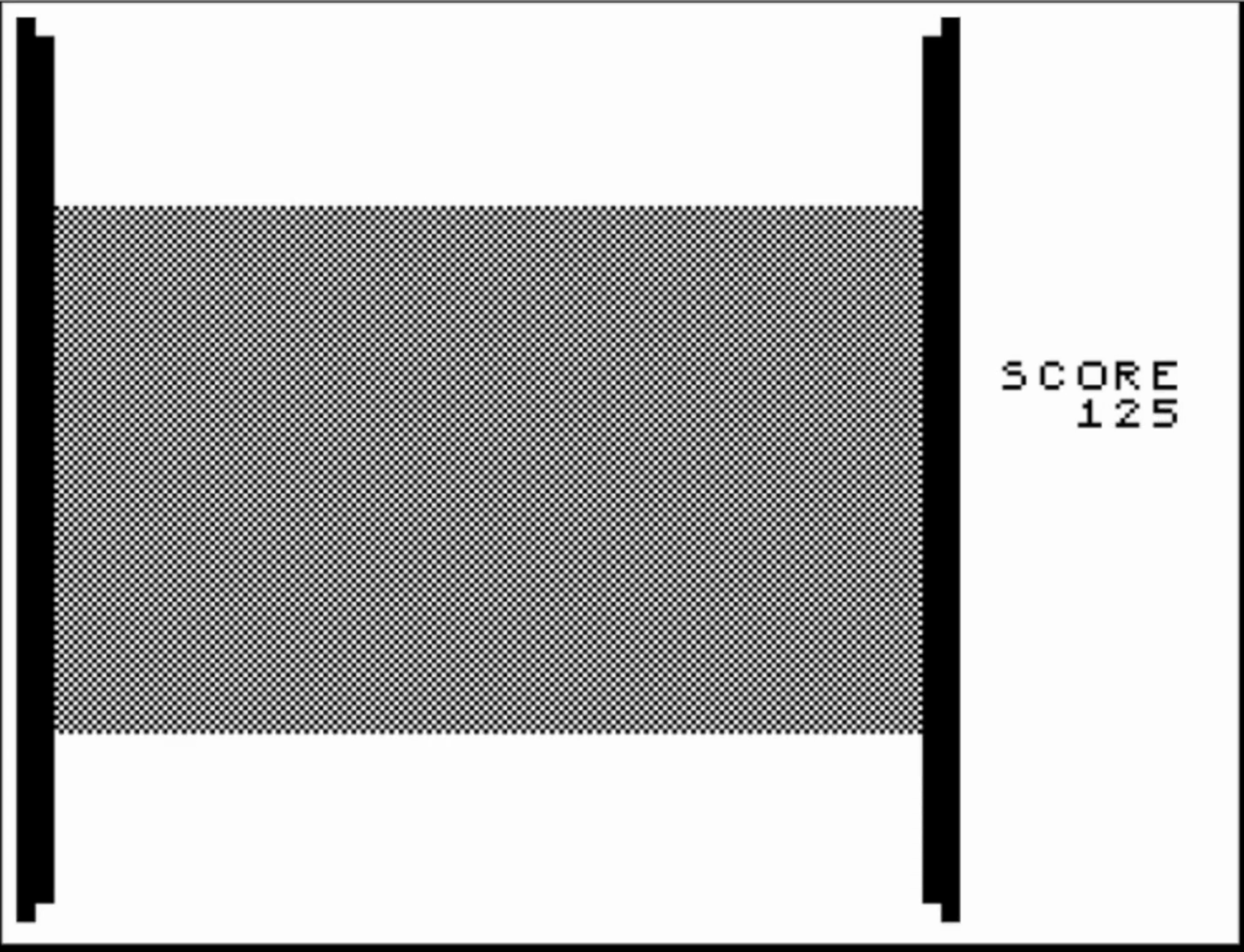
3D Monster Maze (ZX81)
PROTO HORROR
In 1983, we got a couple of really early examples of co-op horror games. Dracula came out on the Intellivision. Player one takes control of Dracula and is able to bite and turn humans into zombies. Once you do that, player two can take control of Dracula's zombie ally. This game's unique because both players had different roles.
That same year, we got another game called Zombies, also known as Realm of Impossibility. This came out on the Commodore 64 as well as Atari home computers. You and your partner explore these mazes and try to escape. You can't fight at all. You're able to drop traps, but you're primarily trying to run away from the zombies and get to the goal.
In 1984, Devil World came out on the Famicom. This is an early game made by Shigeru Miyamoto. It's pretty light on the actual scary stuff, but it does have the devil, demons, crosses, and Bibles. It's more horror themed rather than genuinely being a scary game.
One of the first games that actually feels like a true horror game that's pretty disturbing is Chiller. This came out in 1986 in the arcades, and it's a two-player light gun game. There's a lot of gore and torture imagery, so this was definitely pretty shocking for the time.
Dark Adventure came out in the arcades in 1987. This one was also known as Devil World in PAL regions, but it's totally different from the Famicom game. It was made by Konami and has three-player co-op support. It kind of plays like Gauntlet. You and your partners run around this environment and fight various monsters.
Beast Busters came out in 1989. It was made by SNK and is another light gun shooter, but you can play in three-player co-op, which was a really rare feature for a light gun shooter. It has a B-movie horror vibe, with zombies and mutants. Then we got the run-and-gun shooter Horror Story, also known as Demon's World, in 1989. It's pretty light on the scary stuff, but has ghosts, demons, and monsters.
Around this time, the early stages of survival horror were really starting to develop. The foundation was definitely there. But it would be quite a while before we actually saw some co-op survival horror games.
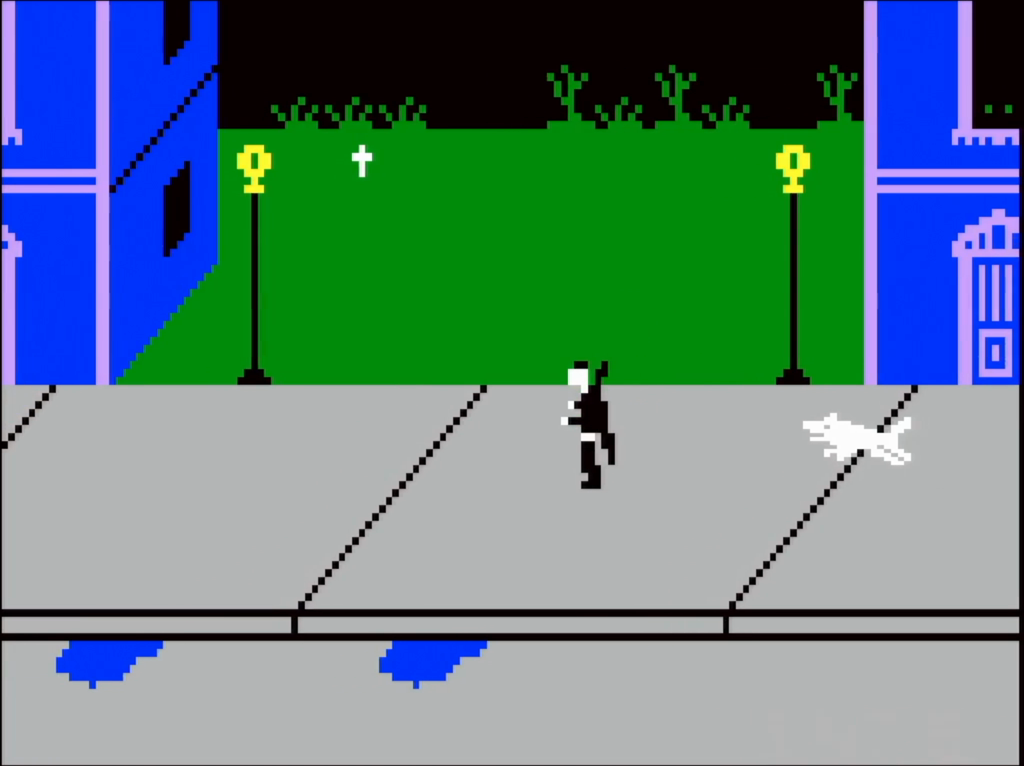
Dracula (Intellivision)
EARLY SURVIVAL HORROR
This next era is when we really started to see games that helped shape the survival horror genre. Sweet Home came out in 1989. This horror RPG came out exclusively on the Famicom in Japan. It has mansion exploration, multiple characters, limited resources, permanent character deaths, and multiple endings. All this definitely helped influence Resident Evil later.
Alone in the Dark came out in 1992. This is one of the first games that had 3D characters and that fixed-camera environment. It had exploration and puzzles. It also had some combat, but that wasn't the main focus. Then Clock Tower came out in 1995, and this one really leans into vulnerability. You're mostly running and hiding. I think all these games would really help shape what survival horror would become.
But in the '90s, we really weren't getting anything like this when it came to co-op games. On the NES, we had A Nightmare on Elm Street, a really unique platformer that you could play in four-player co-op. It isn't really scary, but it is based on a major horror franchise. Monster in My Pocket is another one. Made by Konami, you can play it in two-player co-op. Again, it's a horror-themed action platformer rather than something scary.
One of the most important games that I think everybody remembers from this era is Zombies Ate My Neighbors. It's a top-down run-and-gun shooter with tons of horror references. There's zombies, vampires, mummies, chainsaw guys, aliens, and giant babies, and you go around rescuing survivors. Up until this point, Zombies Ate My Neighbors was the most important co-op horror game ever made. It even got a follow-up called Ghoul Patrol.
Also in 1993, Night Slashers came out in the arcades. This is a full horror-themed beat 'em up. You're fighting zombies, mutants, and supernatural enemies, and you can play in three-player co-op.
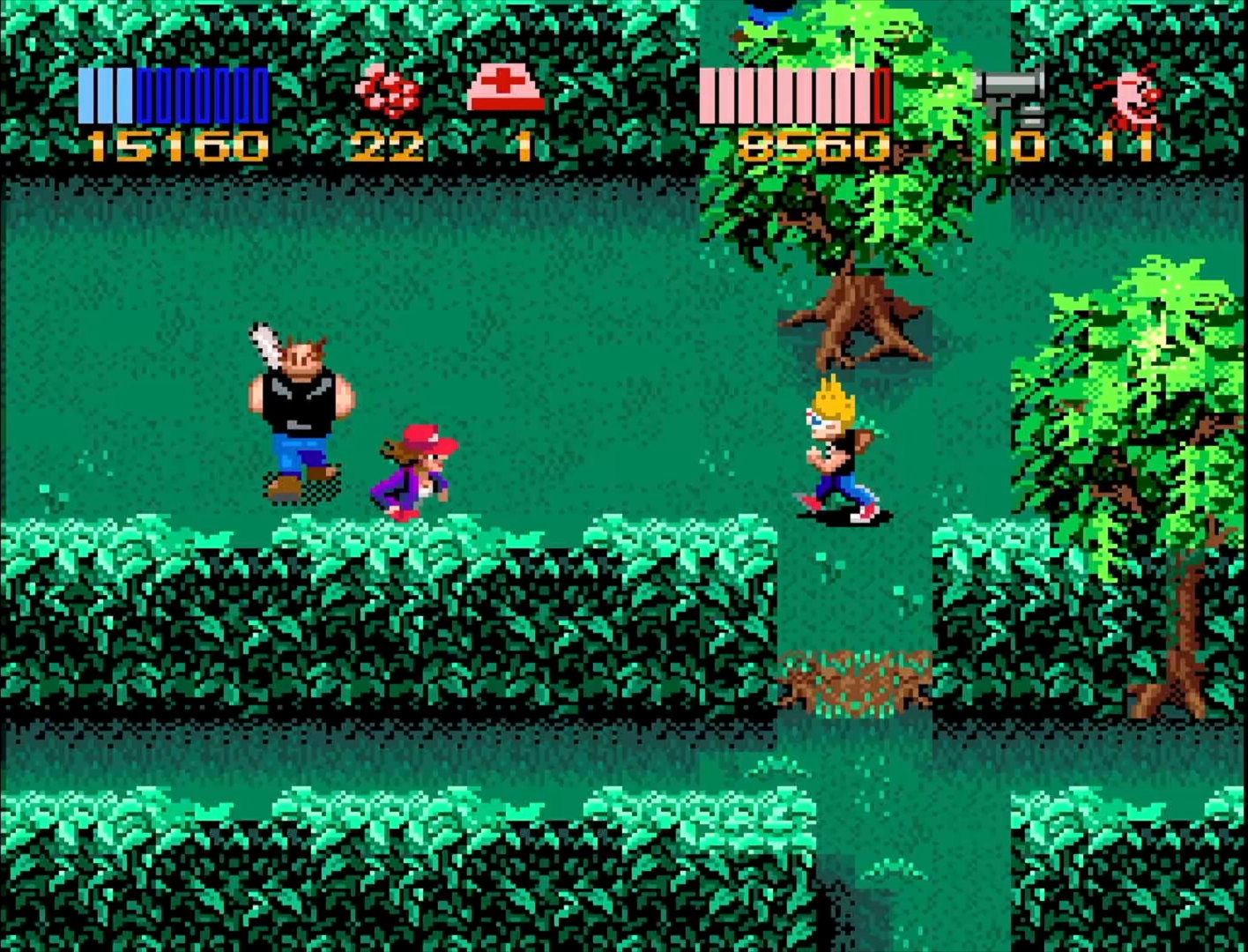
Zombies Ate My Neighbors (SNES)
SURVIVAL HORROR
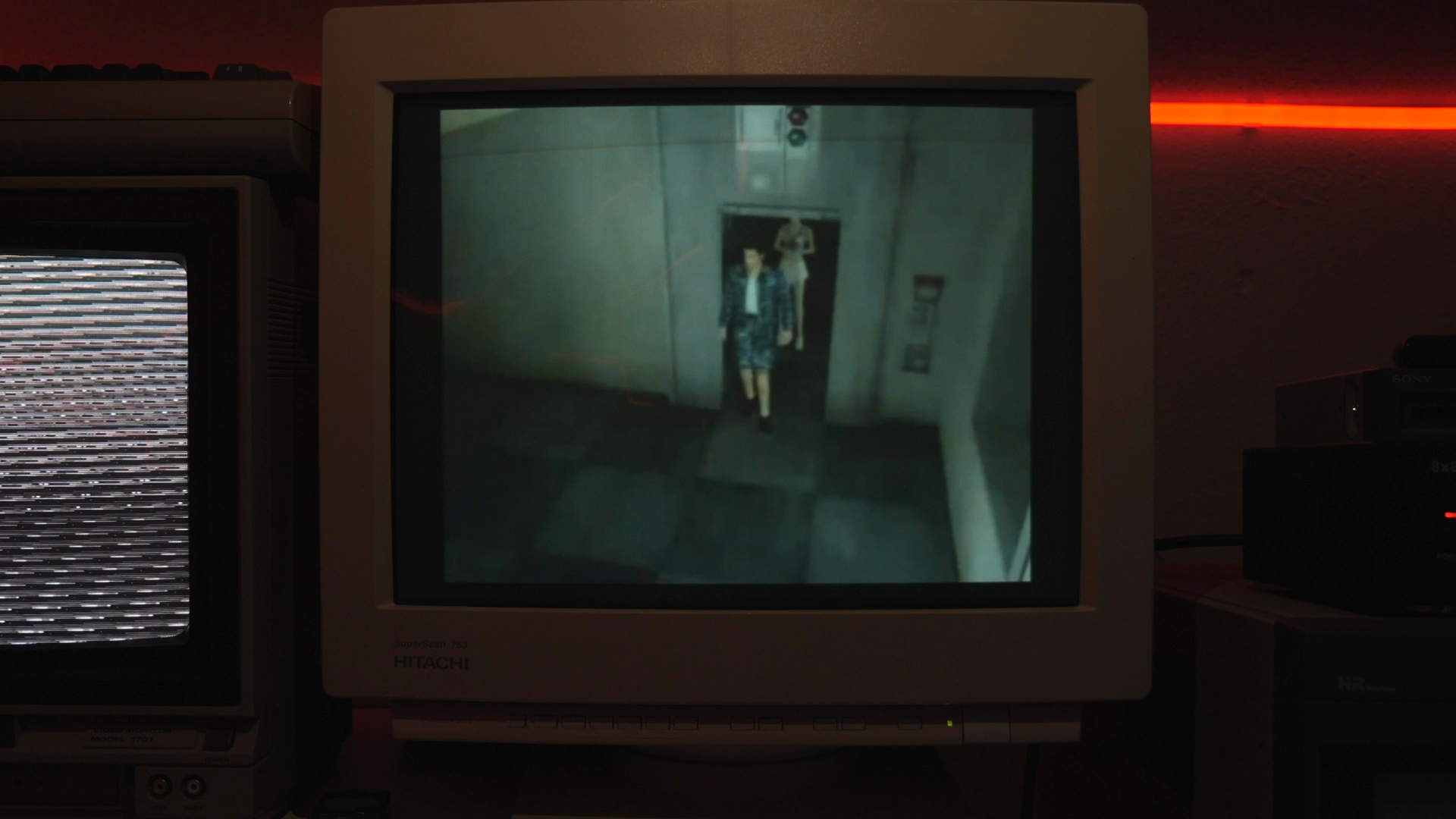
In 1996, Resident Evil came around. The interesting thing about Resident Evil is that supposedly it was originally intended to be a co-op experience, but they ended up abandoning that idea due to the hardware limitations of the time. This really is the first mainstream survival horror game. It took concepts from Alone in the Dark, Sweet Home, and Clock Tower, and put them together to create what we now know as the survival horror genre.
It had limited resources, puzzles, exploration, and all the creepy elements. Resident Evil 2 made things bigger and a little more cinematic. Right after that, we had Silent Hill. It had the same tank controls as Resident Evil, but leaned a lot more into psychological horror, creepy atmosphere, and the feeling of isolation.
Unfortunately, we didn't really see co-op implemented until a little later. I guess the main argument was that the feeling of isolation, being abandoned and alone, was inherently scarier when you're literally playing by yourself. But I still think co-op survival horror games should exist, and they could be very creepy in their own ways.
While we had those single-player games, local multiplayer was taking a different approach. Crypt Killer, The House of the Dead, and The House of the Dead 2 were really fun light gun shooters with B-movie horror themes and acting. Then there was The Typing of the Dead. This is honestly one of my favorite weird co-op experiments ever made. In 1999, we got Zombie Revenge, also set in the House of the Dead universe, but a 3D beat 'em up that was later ported to the Sega Dreamcast.
Resident Evil (PlayStation)
CO-OP SURVIVAL HORROR
Once the year 2000 came around, we finally got our first co-op survival horror game, Seven Mansions. It came out exclusively on the Sega Dreamcast in Japan, and for years it was stuck over there. A few years back, we got a fan translation, so anyone can jump in and try it out.
This is a survival horror game built from the ground up to be a two-player co-op experience. It has limited resources, a lot of puzzles, and some awkward tank controls. It honestly feels like a Resident Evil game that just happens to be co-op. It was still trying to figure some things out. It's kind of messy and definitely not perfect, but it is still a very important game when it comes to co-op horror.
Outside of that, horror games were kind of the same thing. Vampire Night and The House of the Dead 3 were more co-op light gun games. Then we got the Hunter: The Reckoning games. These are kind of like Diablo or Gauntlet, but with a horror theme. You can play with up to four players, except for the PS2 game, Wayward, which was limited to two.
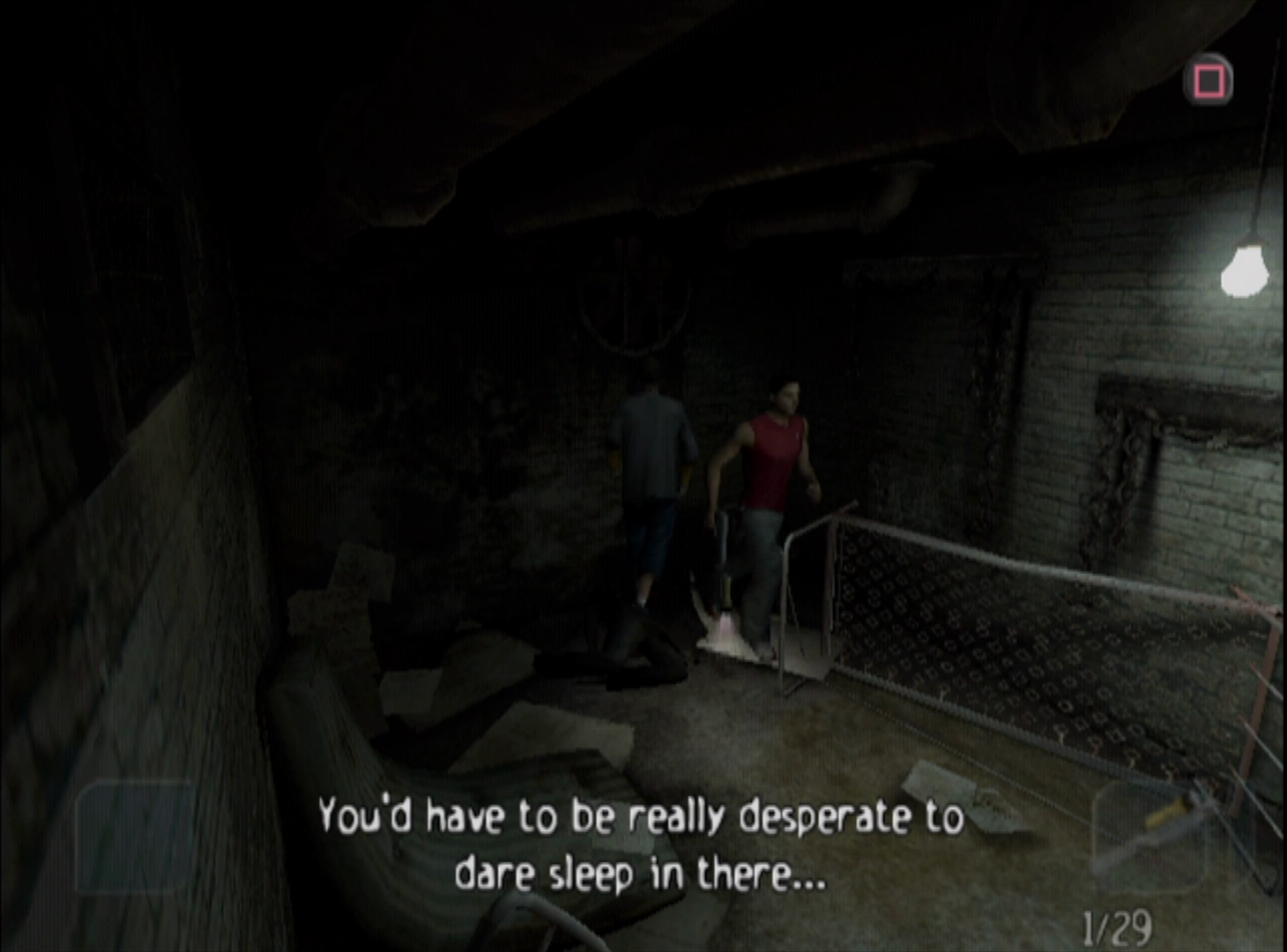
In 2003, Resident Evil finally made a real co-op game, Resident Evil Outbreak. Unfortunately, it was only online, not local. But the following year, one of the most important games of local co-op survival horror would finally be released: Obscure.
Seven Mansions is technically the first co-op survival horror game ever made, but I don't think it's the game that best represents what a co-op survival horror game could be. I do think Obscure took some of those elements and improved upon them in a lot of ways. It has a survival horror structure in a teen slasher setting, with exploration, puzzles, limited resources, different character abilities, and characters who can permanently die.
This one's a classic. It originally came out on the PS2, but you can also play it on Steam now. Overall, Obscure is probably the better example of a co-op survival horror game being fully realized.
Obscure (PS2)
ACTION HORROR
In the following years, we'd see horror games make a major shift from classic horror toward action-style gameplay. Resident Evil 4 is the main game to set this standard. The same year, F.E.A.R. came out as a first-person action horror game. Eventually Dead Space would follow, although it still had some survival horror roots, just with stronger combat.
During this phase, we did start seeing a lot more co-op horror-themed games. Maybe that's because they were more fast-paced, with a lot more enemies on screen. These games weren't entirely focused on helplessness. They were more about killing scary monsters.
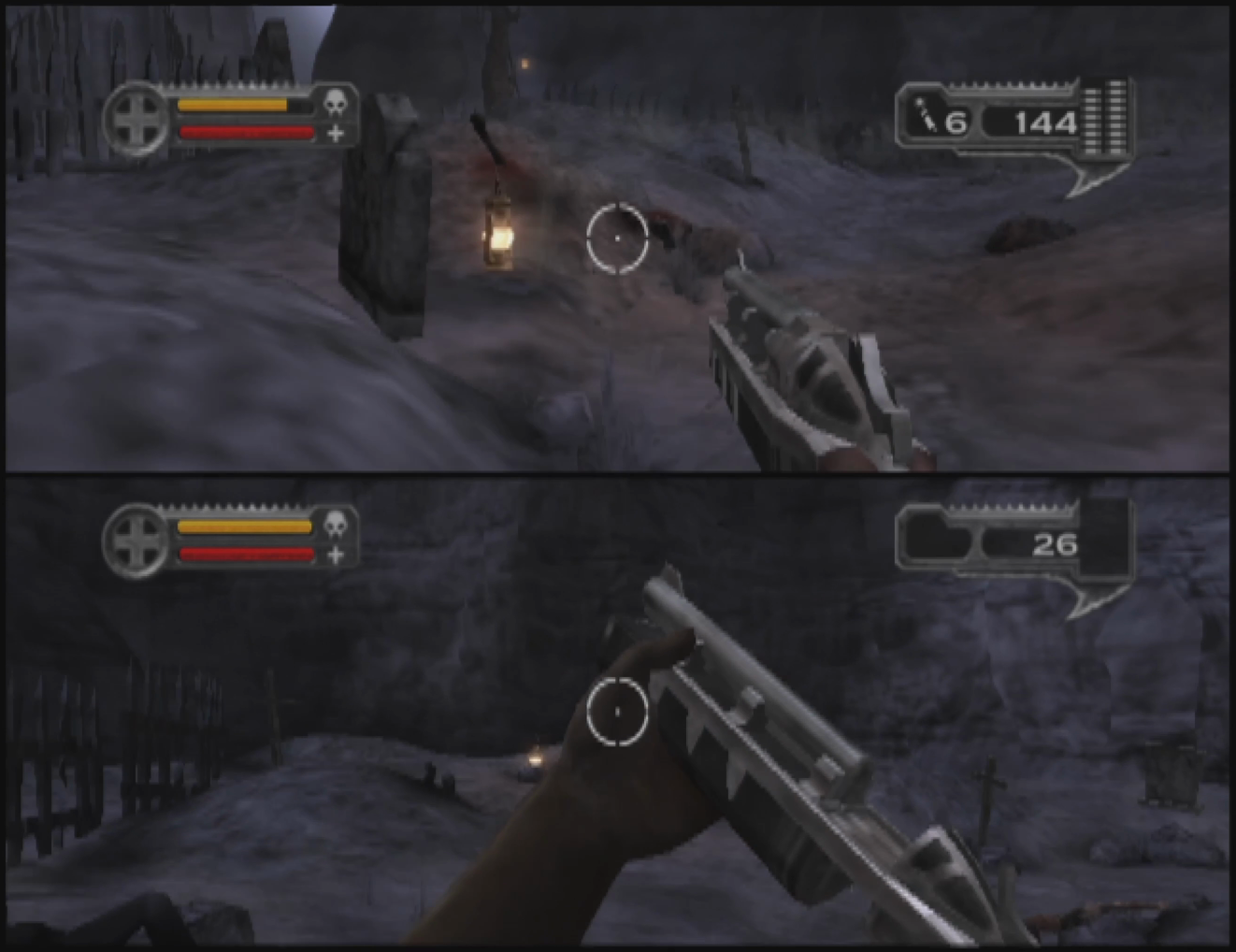
Darkwatch came out in 2005. The PS2 version is the only one with local co-op support. This is a first-person shooter with a vampire western theme. In 2006, Resident Evil: Deadly Silence came out exclusively on the DS and actually had co-op support. You had to have multiple consoles and multiple copies of the game, but it was still really unique for its time.
Obscure: The Aftermath came out in 2007. It's more of the same, continuing the couch co-op survival horror with different characters, but is generally considered a step down from the first Obscure.
Then we got a new batch of light gun shooters with horror themes. Resident Evil: The Umbrella Chronicles and The Darkside Chronicles were made for the Nintendo Wii and eventually ported to the PS3 with Move controls. Dead Space: Extraction was very similar. These were on-rails light gun shooters set in a big horror world. There was a story, often branching paths, and choices you made. They were a little different from your standard light gun shooter like The House of the Dead. There's more depth.
Darkwatch (PS2)
ZOMBIES & CO-OP HORROR
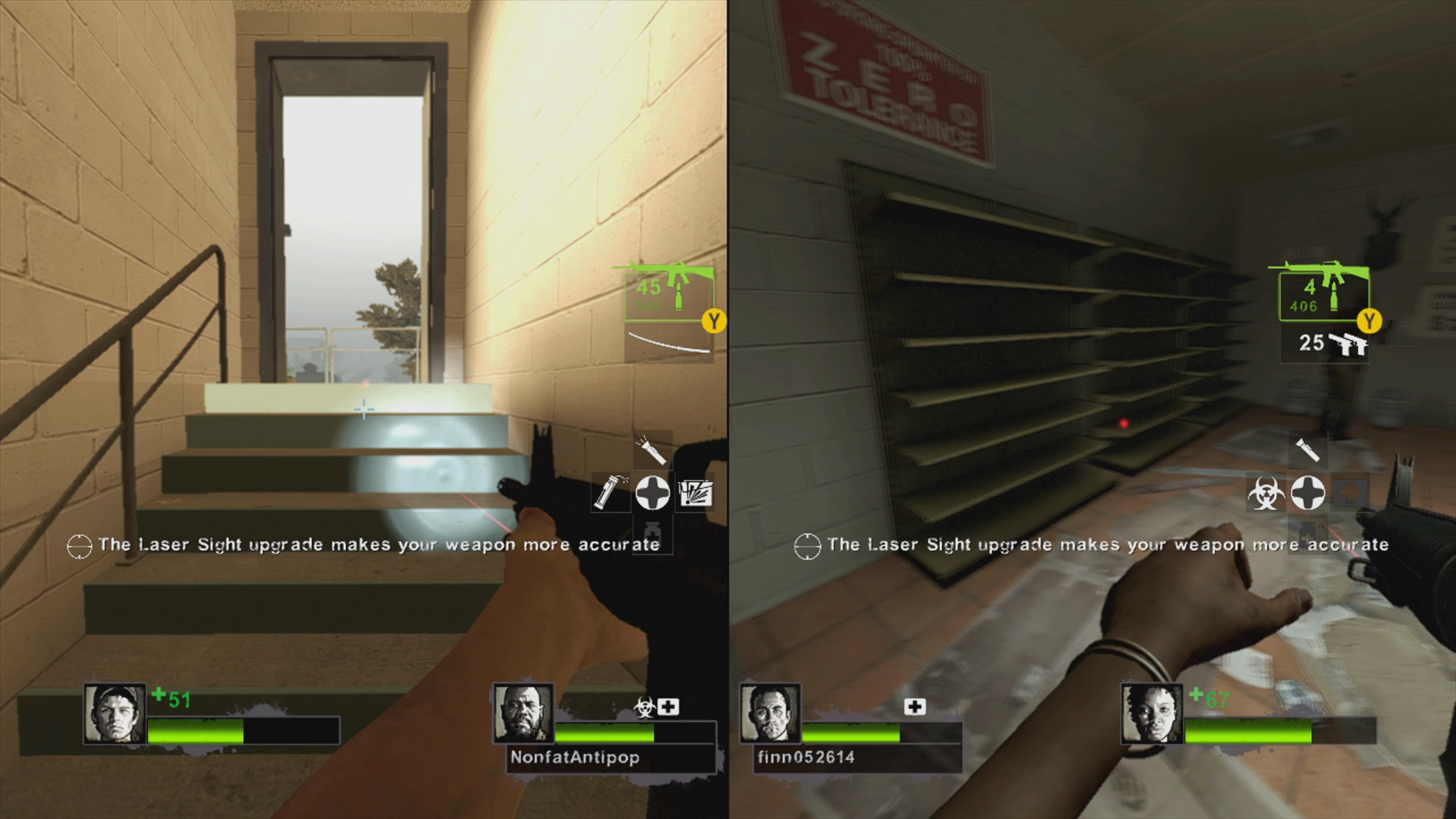
Eventually, couch co-op horror showed up in the mainstream in a big way. Left 4 Dead and Left 4 Dead 2 are some of the biggest horror co-op games ever made, and you could play them in split-screen co-op. You could also play online or through system link.
Left 4 Dead was truly the perfect game for this era. There's four characters in the story, so you can quadruple your firepower. If a teammate goes down, you can pick them back up. There's hordes of zombies, and it's really satisfying to team up with three friends and take them all out.
Resident Evil 5 continued what Resident Evil 4 was doing, but actually turned it into a co-op game. This was the first mainline Resident Evil built from the ground up to be a co-op game. It's a full story built around multiple characters, with shared resources and puzzles that require teamwork. This is truly a full co-op experience.
Resident Evil 6 did more of the same, but leaned way more toward action and less horror. In a way, it takes you back to that early stage of co-op horror-themed games, where they're not really scary, just action games in a horror setting.
Even the F.E.A.R. series dabbled in co-op with F.E.A.R. 3. And of course, Call of Duty introduced Zombies mode. This wasn't a campaign co-op mode, but it was so addicting that a lot of people exclusively played Zombies and never even touched the campaign. There were smaller titles as well, but it showed that there was a mainstream audience for local co-op horror.
Left 4 Dead 2 (PC / Xbox 360)
EXPERIMENTAL CO-OP HORROR
In the 2010s, it feels like horror was trying to get back to its roots. Less action, more atmosphere, being vulnerable, and running and hiding a lot. I think Outlast was the biggest breakout from this era. You're pretty much completely helpless. There's no fighting. All you can do is hide. Alien: Isolation was kind of similar, but the big one was Resident Evil 7. This one feels a lot more like old-school Resident Evil. The environments are creepier and more claustrophobic, and it goes back to that feeling of helplessness.
While a lot of the biggest horror games were trying to make people feel alone, local co-op horror had the exact opposite problem. How do you create that same tension when somebody is sitting right next to you? Does adding a second player make horror less scary? I think it probably does to some degree, but horror design just needs to be a little different. It needs to be designed with a second player in mind.
A really unique example is Night of the Sacrifice, which came out exclusively on the Wii in Japan. It's not exactly an equal co-op experience, since player two is an assist character, but I still felt like this game was really creepy. The environments are dark, you have no way to defend yourself, and it has great sound design. Player two's help is really important. Near a monster or ghost, their Wii Remote starts vibrating so they can warn you. They're also able to point at an enemy and freeze it so you can run past. It's not a perfect solution, but it is very unique, and I think more people should try it.
Contagion is similar to Left 4 Dead, but a little more focused on survival. There's randomized routes, enemies, and item placement, and you have very limited resources. This one's definitely overlooked. It kind of feels like Left 4 Dead if it was more of a survival horror game.
Resident Evil: Revelations 2 combines some of the best elements of the series. It has the co-op elements of five and six, but also the slower-paced survival horror of the earlier titles. When it comes to co-op survival horror, this one's probably my favorite. It takes an asymmetrical approach, with each character having different abilities.
I've watched horror movies by myself, but I feel like they're best enjoyed in groups or with your partner sitting next to you. You can get scared together and laugh at the bad special effects or acting. I think horror games are exactly the same. They're a lot more enjoyable if you're sharing them with somebody.
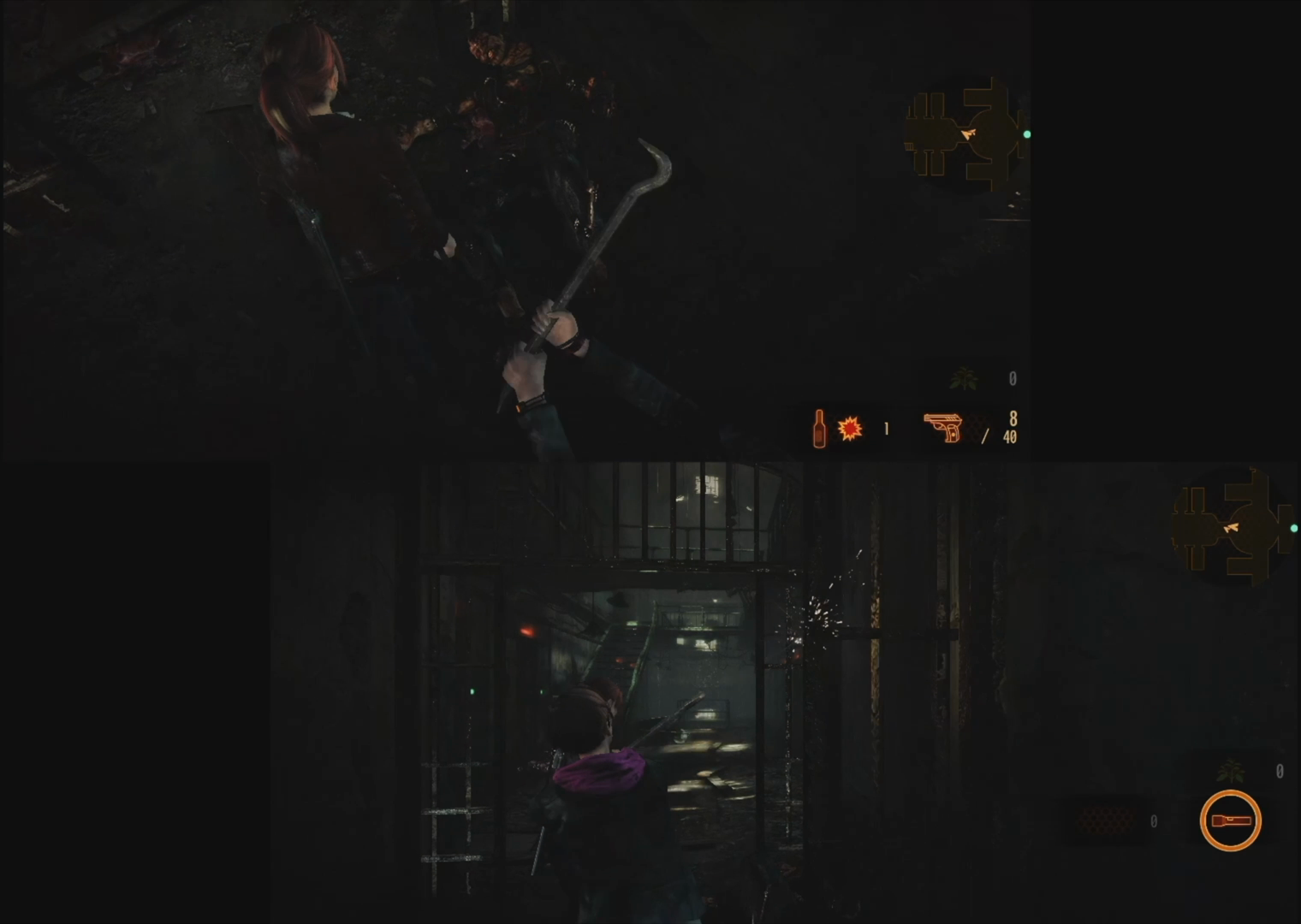
Resident Evil: Revelations 2 (PC / PlayStation / Xbox)
SOCIAL HORROR
One interesting approach was The Dark Pictures Anthology: Man of Medan, Little Hope, House of Ashes, and The Devil in Me. They went on to make The Quarry and Directive 8020. These games also have a pass-the-controller approach to local multiplayer.
Essentially, they play out like an interactive movie. Each character has their own story and choices, and those choices really matter. They change the outcome throughout the game. You and a group of friends can each assign yourselves a specific character. Whenever they come on screen, you pass the controller around.
It's really not the perfect solution to a co-op horror game, but these are popular games, so I'm glad there's still some co-op representation. I think they have a time and place. They're probably not for the most hardcore of gamers, but like I was saying about watching horror movies, they're really fun in groups.
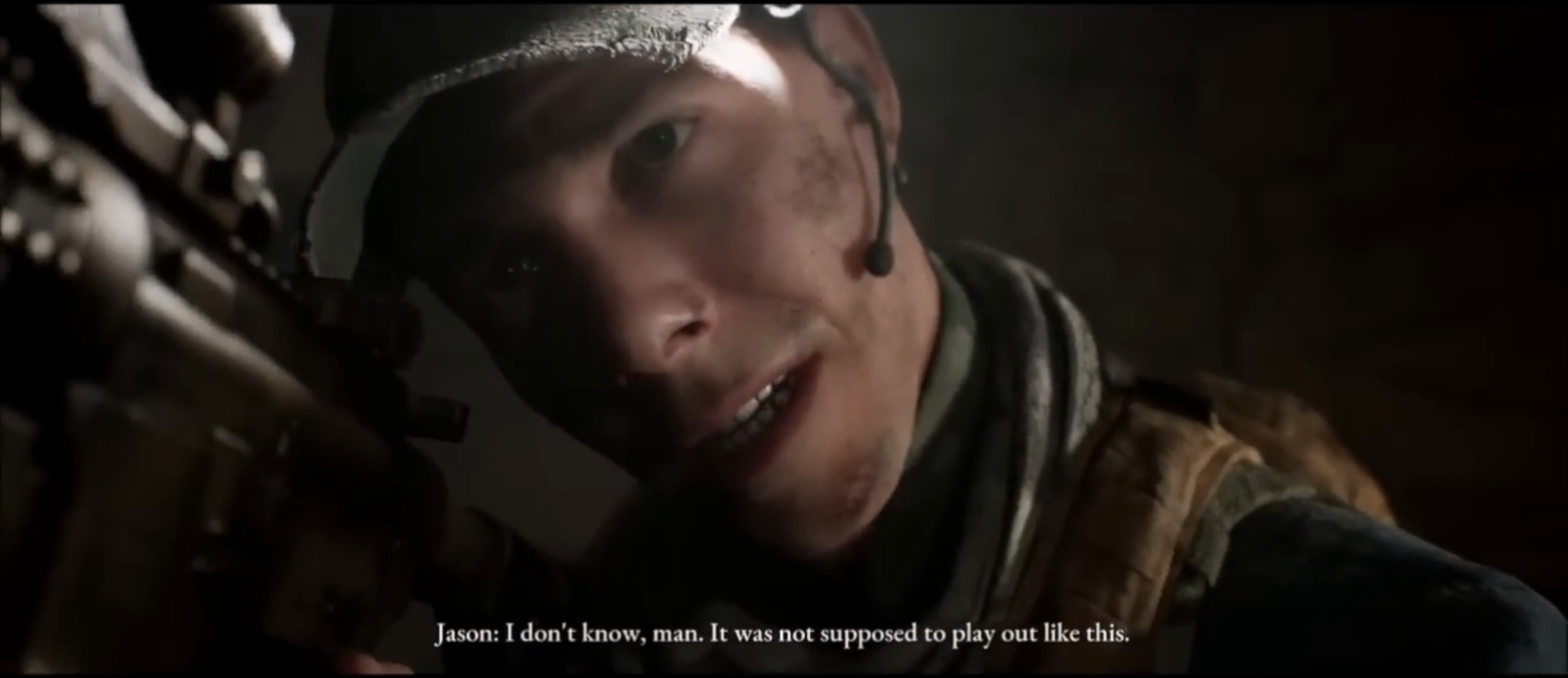
The Dark Pictures Anthology: House of Ashes (PC / PlayStation / Xbox)
ONLINE CO-OP HORROR
In recent years, we've had some huge breakouts: Phasmophobia, Lethal Company, Content Warning, and The Outlast Trials. These games really blew up across the internet. Unfortunately, they're all online co-op games.
When it comes to local co-op horror, we still see a lot of support in the indie scene, and there are some really great games there, but not a lot of survival horror. Nothing quite matches the excitement we had playing Left 4 Dead, Resident Evil 5, or Obscure. It didn't disappear. It just became something you had to go out and look for.
Online co-op is obviously more popular in general. I don't think that's exclusive to horror. It's a broader conversation about co-op gaming altogether. Even with these online games, it's still showing that there's definitely a big audience for co-op horror. They just might not be games you can play in the same room with somebody.
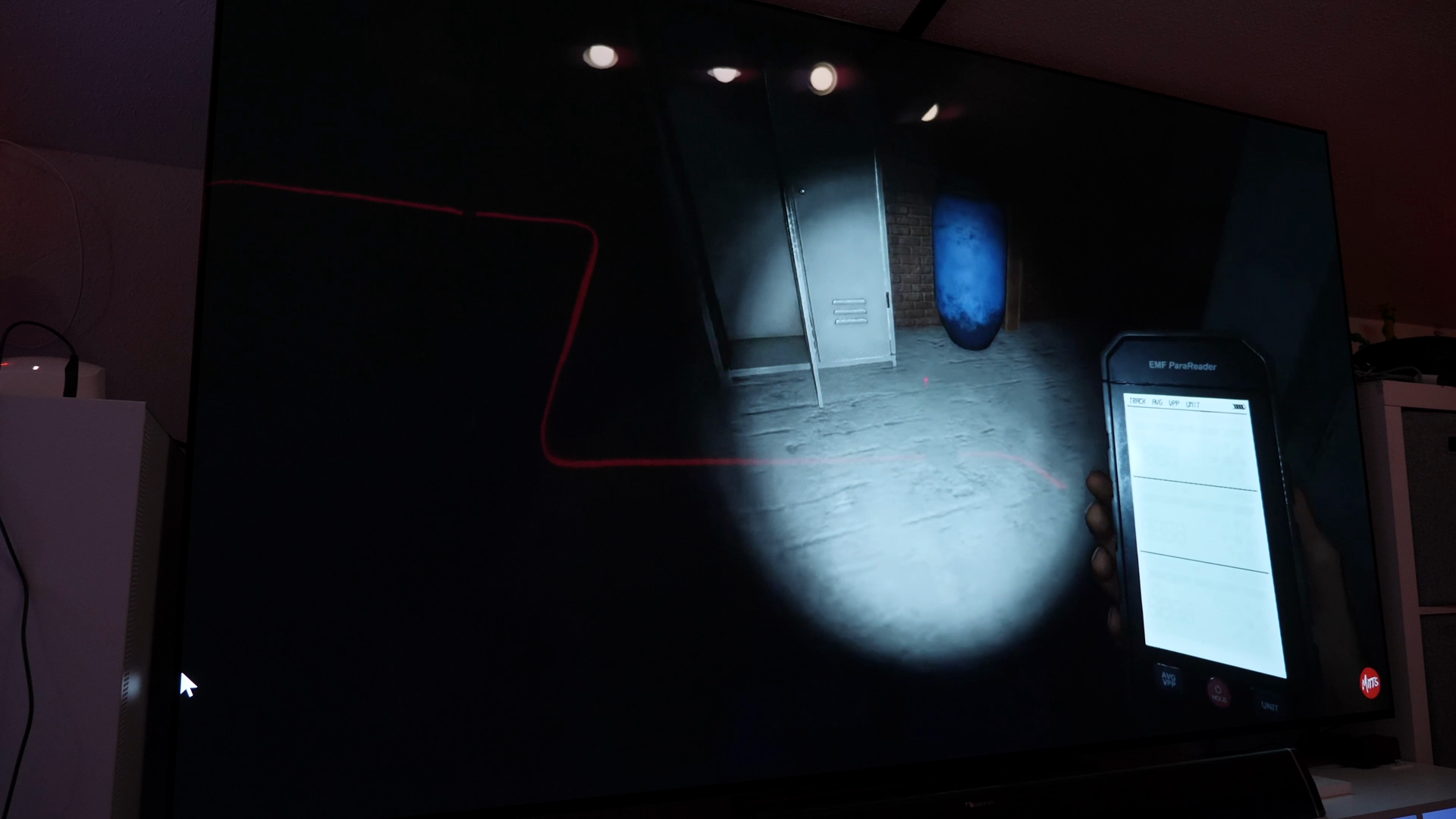
Phasmophobia (PC)
MODERN COUCH CO-OP HORROR
After everything developers have tried over the last 40 years, we're starting to see some really interesting new approaches to local horror again.
Vaccine Rebirth is a total homage to Resident Evil and Silent Hill. It even has that PS1 style of graphics. It's not perfect, but it is really cool to see a game in this style that you can play through in split-screen co-op, with all the survival horror elements you love.
Emissary Zero came out last year, and I think a lot of people missed it. It's a first-person horror game that you can actually play in split-screen co-op. What I love is that it really leans into the weird stuff. It gets really creepy. The enemies are pretty unique, stuff you don't really see in other games. For most of the game, you're wandering around, not really sure what you're supposed to do. You mostly solve puzzles. You can't really fight. You have to avoid the enemies and try to get to the next area. This is the exact style of game I want to see more of.
Another unique approach is Beyond the Dark: Nightwatch. At the time of recording, it hadn't come out yet, but was due in October. It's a Switch 2 exclusive designed around two-player local co-op. It feels like something that could have been on the Wii U, because you're supposed to have your own screen. You only need one copy of the game. Switch 2 is the host, and the second player joins locally through GameShare. Player one is on the TV in first person, while player two uses their handheld Switch to look at screens and monitors. You have different information and need to communicate. I'm not sure how it all works out, but this is the kind of innovation we need to see more of.
To me, probably the most important game is Reanimal. This is a modern atmospheric horror game built around two-player co-op. It might not be the scariest game in the world, but the atmosphere sets it apart. The enemies are unique, gross, and creepy in their own way. The story is vague. You don't really know what's going on until the very end, and I think that adds to the creepy vibe. This is one of my favorite games of 2026, and they're continuing to expand the story with DLC.
It's different from everything else here. It's not a survival horror game, a first-person zombie shooter, or a hack-and-slash action game. It's a story about two characters working together that happens to be in a very creepy environment. These four new couch co-op horror games give me some hope because they're all taking a different approach. I want to see more of that innovation.
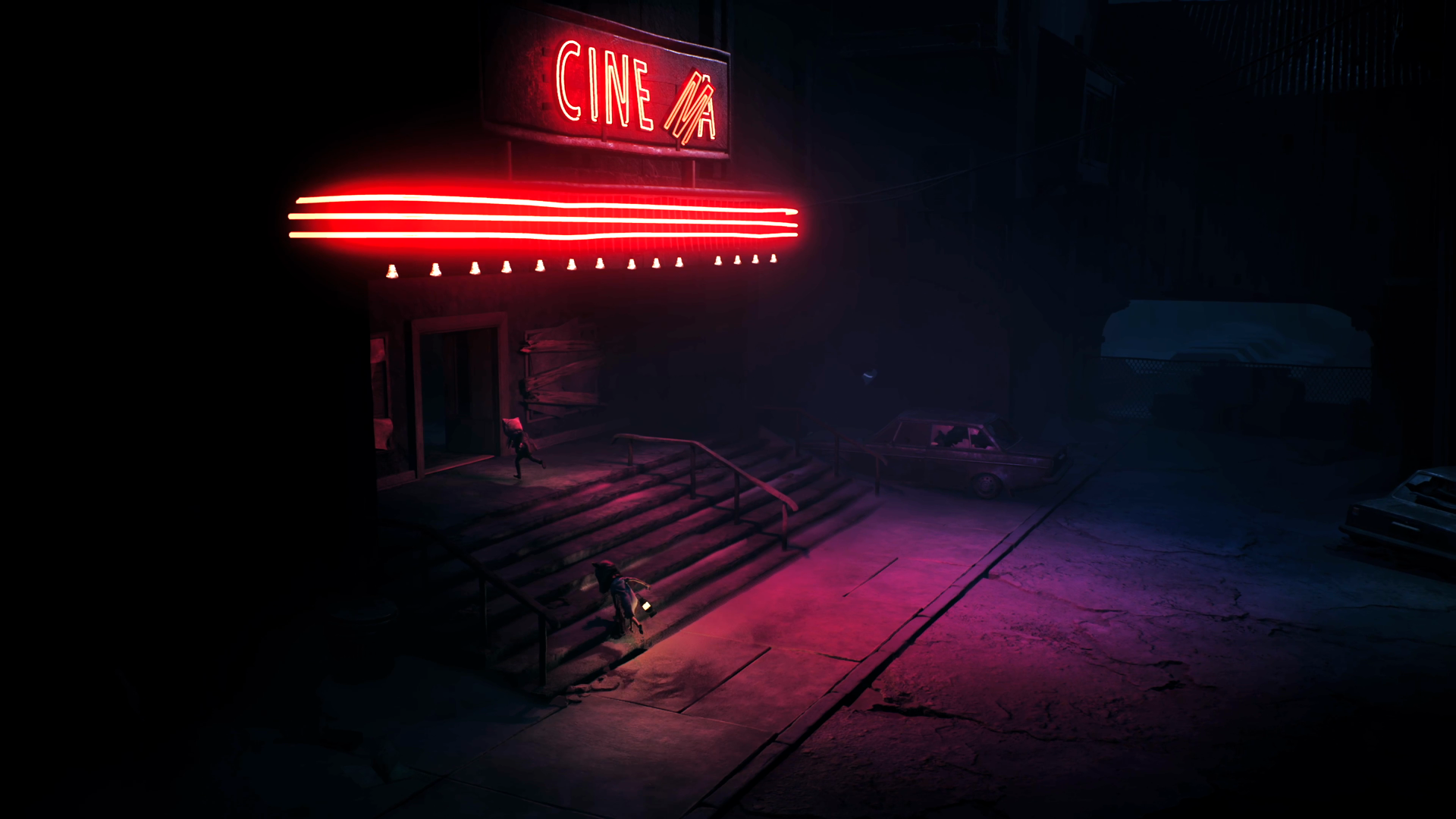
Reanimal (PC / PS5 / Xbox Series / Switch 2)
FINAL THOUGHTS
Co-op horror dates back over 40 years. It's kind of always been there. It's just taken different shapes and forms. After playing all these games, there are a handful of things I think actually make a good couch co-op horror game.
Primarily, I think we've done enough zombie shooters. We don't really need more first-person action games where you mow down monsters. I think we need to get back to the roots of survival horror, because that's where things were creepy. It was more about atmosphere, disturbing monsters, and a slower pace that leaned into horror rather than action.
Let's take those core elements and update them. Try new things, see new monsters, and build it around co-op gameplay. Obscure, Reanimal, and Resident Evil 5 were built from the ground up to be co-op experiences. You had to work together to solve puzzles. Of course, there are elements where you heal your partner and double your firepower, but I'd like to see more experimentation.
I want more psychological horror. Dead Space 3 was a great example. Even though it was online, it did a great job of making you feel like your characters were going insane because you saw two entirely different things. That might not work exactly in split screen. You might still need your own screens. If we did something like the Wii U or GameShare on Switch, where you're both seeing different things, and leaned into those asymmetrical roles, I think we could see some really creative ideas. Lean into the Metal Gear Solid, breaking-the-fourth-wall kind of stuff. That's what I want to see.
Ultimately, I don't think adding a second player ruins the horror experience, but I do think the horror design should be built around the fact that they're there.
For more local multiplayer games, explore the Classic Co-op database. You can also see my gaming and recording setup. The gear page contains affiliate links. I may earn a commission if you buy through these links, at no extra cost to you. As an Amazon Associate I earn from qualifying purchases.