Co-op Only Games: The Best Games You Have to Play Together

Today we’re talking about co-op only games.

These are games that require two players. There’s no single-player option. You can’t play them alone.

And as usual, we’re only talking about local couch co-op.

You can’t have this conversation without bringing up Hazelight Studios. They’ve basically become the gold standard for modern co-op games. Everyone already knows these, so I won’t spend too long on them—but they’re important.

Hazelight Studios

Hazelight builds games from the ground up for two players. They also introduced the Friend’s Pass, where only one person needs to own the game.

All of their games support split screen.

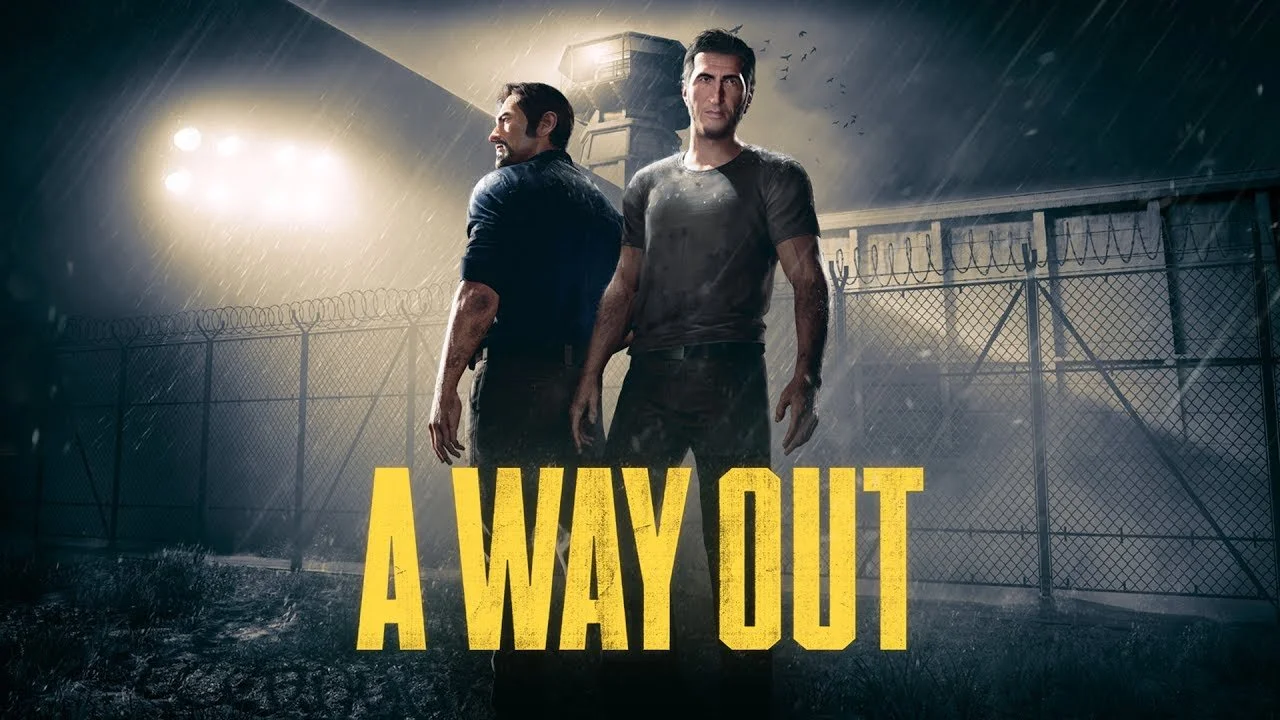
A Way Out

This is basically a prison escape game. You play as two characters working together to progress through a story-driven experience.

There’s more to it than that, but you probably already know this one.

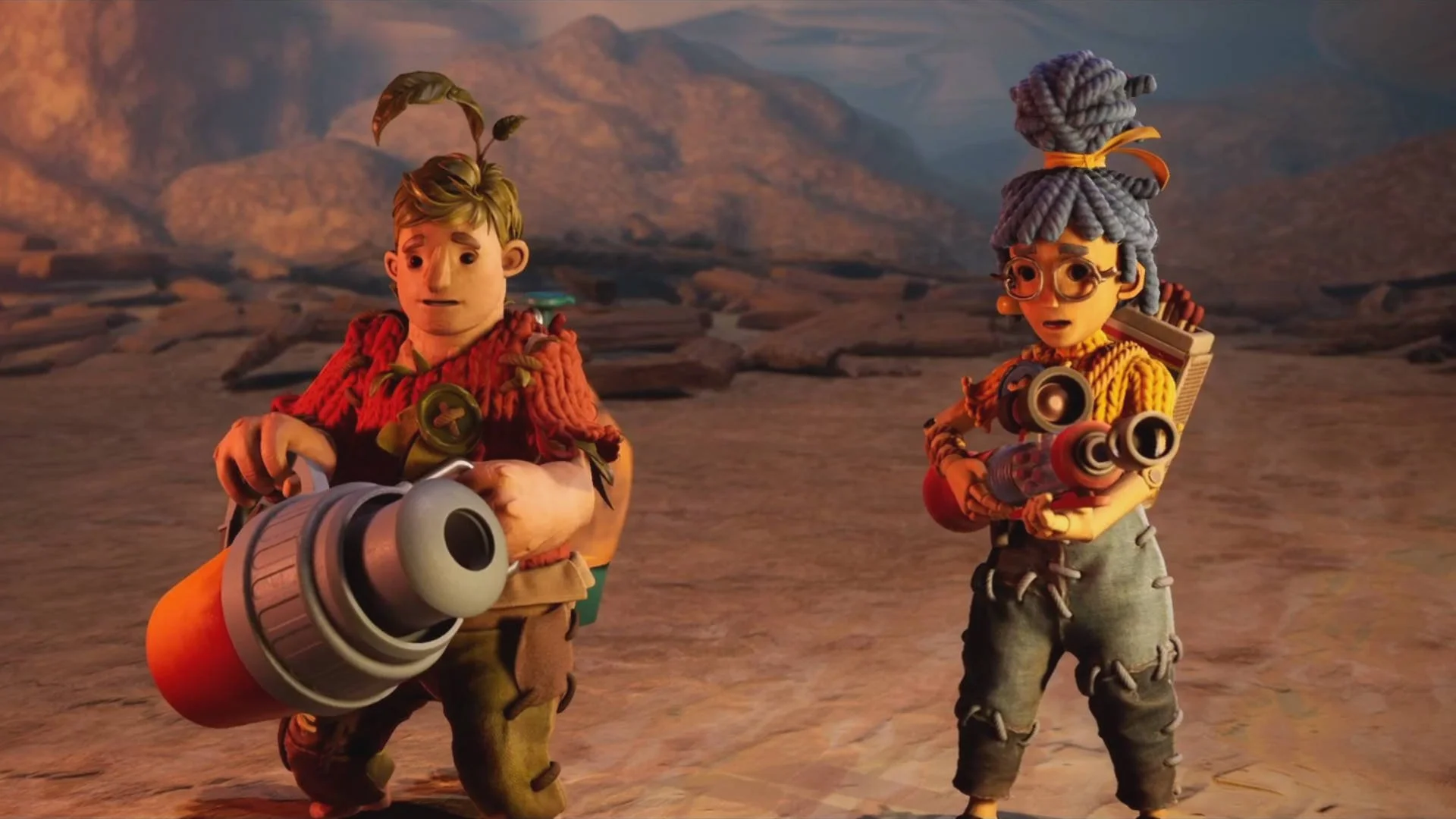
It Takes Two

This was the follow-up.

The tone is way more lighthearted and cartoonish, but the gameplay expands on everything. It constantly shifts genres—one moment it’s a fighting game, then a platformer, then a shooter.

It never really lets the gameplay get stale.

Split Fiction

This came out in 2025, and it’s already considered the best of the three.

It takes everything from A Way Out and It Takes Two and improves on it. Same idea, constantly shifting gameplay styles, but more refined.

You can’t really go wrong with any Hazelight game. They’re some of the most important co-op games out right now.


Short Games, Demos, and Smaller Projects
With You

This one is free on Steam and very short, about 15 to 30 minutes.

It’s simple, easy to pick up, and feels similar to something like Snipperclips. There’s not much challenge, but it works really well if you’re playing with someone inexperienced.

This is a great one for couples.

Twin Cores

This is basically a demo, and I really wish it was a full game.

It’s an on-rails shooter, kind of like Star Fox, but it’s co-op only. You control two ships, and there’s a fusion mode where one player flies and the other shoots. Then you switch roles.

It’s really high quality, it just needs more content.

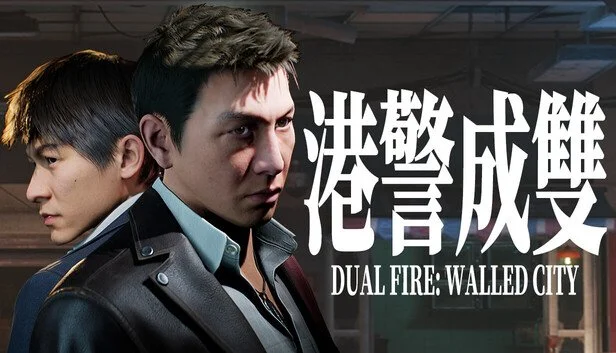
Dual Firewald City

An upcoming game with strong A Way Out vibes.

It’s a narrative-driven co-op game with voice acting and cutscenes. It looks a bit rough and low-budget, but it has a lot of variety in gameplay.

It’s supposed to release in 2025. Hopefully it ends up being a nice surprise.

Together: Amna & Saif

This one had a successful Kickstarter back in 2021, but since then it’s gone quiet.

It’s a 2D top-down puzzle game where you and your partner step on switches, solve puzzles, and move through maze-like levels.

No combat, just pure co-op puzzle solving.

As of now, it’s kind of up in the air whether it’s still happening.


Recent Co-op Only Standouts
Lego Voyagers

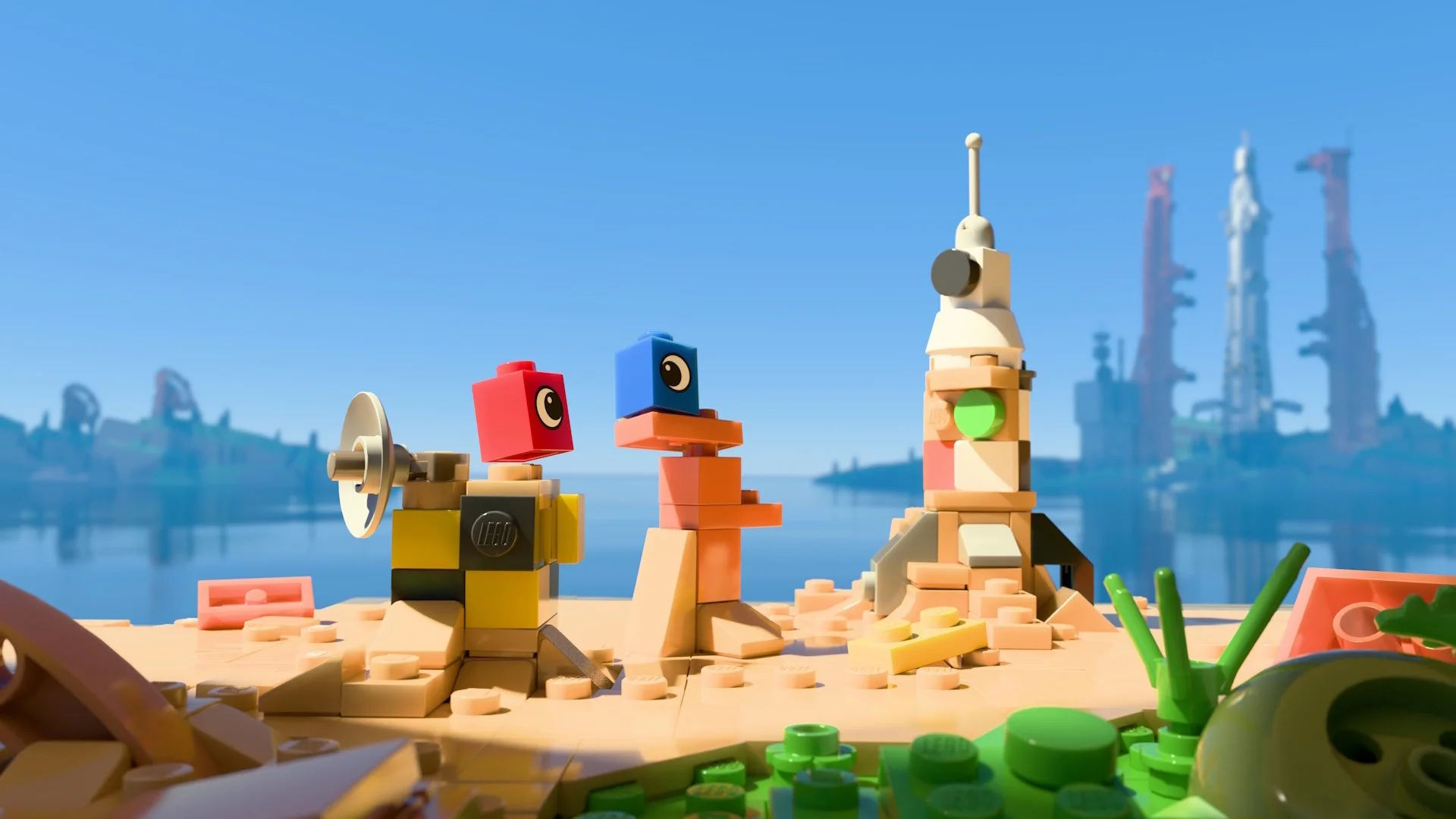
This one just came out recently, and it’s my favorite LEGO game.

Me and my friend Shawn played it start to finish, and it was a great experience. It’s not based on any existing franchise, it’s a completely original story.

It almost feels like an art game. There’s no dialogue at all, the story is told entirely through gameplay and visuals.

The gameplay itself is simple, just solving puzzles, but it works really well. It also has the Friend’s Pass, so only one person needs to own it.

Definitely one of my favorite co-op games of 2025.


Ibb & Obb

This has always been a well-known co-op indie game, but I didn’t realize for a long time that it’s co-op only.

One player has inverted gravity, and the other doesn’t. It’s all about timing and momentum.

It gets really difficult later on, but it’s a really solid co-op experience.


Tristoy

This one plays like a co-op Metroidvania.

It uses a dynamic split screen, when you’re together, it’s one screen. When you separate, it splits. I wish more games did this.

Each character has different abilities, so there’s some asymmetry there.

That said, it’s a bit hit or miss. Some good ideas, but it lacks polish and can be frustrating. Still worth trying.


One of the Earliest Co-op Only Games
Co&Co (Commodore 64)

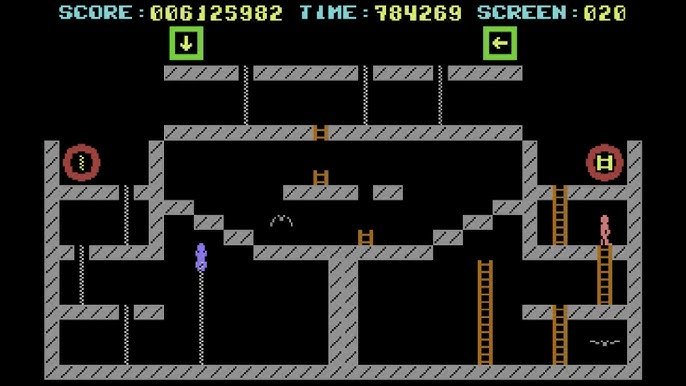
This is probably the most obscure game on the list.

It came out in 1985, and it might be one of the earliest co-op only games ever made.

It’s a single-screen platformer, similar to something like Donkey Kong or BurgerTime. Both players have to reach the exit to progress.

You technically can control both characters solo, but that’s not how it’s meant to be played.

It’s simple and dated, but still interesting, especially for how early it is.


Closing Thoughts

These are co-op only games, no single-player mode at all.

There are also some games that fall slightly outside this category, like:

  • Bokura

  • We Were Here

  • Spaceteam

  • Keep Talking and Nobody Explodes

But those lean more into online play or different setups, so I didn’t include them here.
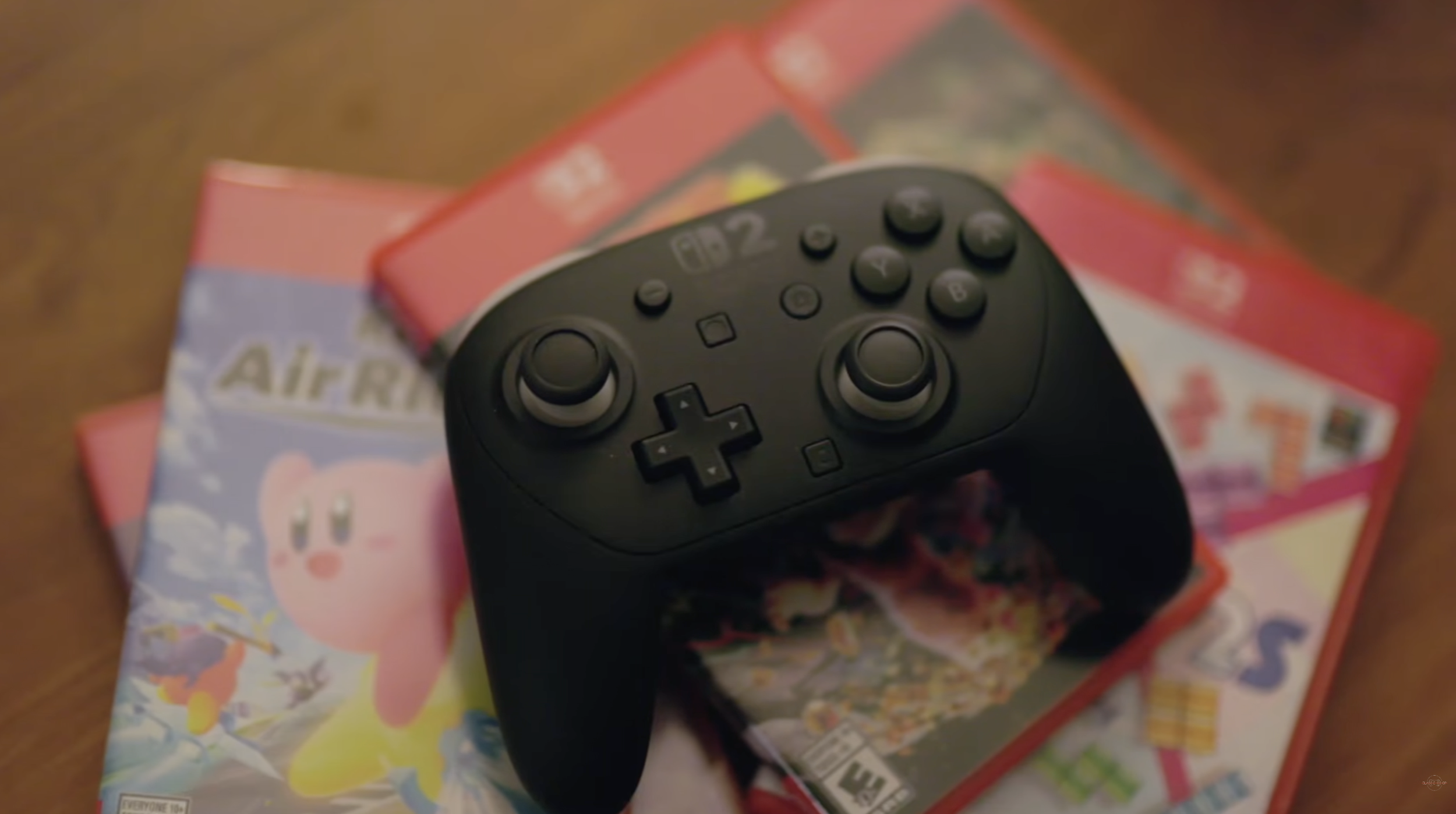


The History of Asymmetrical Co-op : From Fire Truck to It Takes Two

in gaming, asymmetrical co-op means players don’t share the same role, abilities, or even perspective. They’re not just two versions of the same character. They have different jobs that complement each other.

And when it’s done right, it can completely elevate a cooperative game.

So today, we’re doing a deep dive into asymmetrical co-op gaming—what it is, where it started, and why it works.


The Origins (1978–Late ‘80s)

It all started in 1978 with Fire Truck.

This is often cited as the first co-op game ever made, and I haven’t found anything that predates it. Two players control a single fire engine—one steers the front, the other controls the trailer behind. You literally cannot play the game without communicating. It’s pure teamwork built directly into the hardware.

Nintendo experimented with this idea in the mid-80s with Gyromite on the NES. One player controls the main character, while the other uses a second controller (or R.O.B.) to raise and lower gates. It feels more like operating machinery together than playing a traditional platformer.

Then there’s Gotcha! The Sport, where one player moves the camera while the other uses a light gun to shoot. It was probably meant to be single-player, but splitting the roles between two people just feels natural.

In 1988, Silkworm took things further. One player pilots a helicopter while the other drives a jeep. One handles threats in the air, the other covers the ground. You rely on each other constantly.

That idea was later refined in Firepower 2000 on the Super Nintendo—same concept, but more polished.


Early Experiments (Late ‘80s–Early ‘90s)

Games started exploring assist-style asymmetry too.

In Eight Eyes, one player controls the main character while the second controls a falcon companion. The falcon can attack, grab items, and activate switches. It’s not equal, but both players clearly have defined roles.

Then you get something like Bimini Run on the Genesis—one player drives a speedboat while the other handles the weapons. It’s a simple idea, but it works.

One of the most important examples from this era is The Lost Vikings. Each character has completely different abilities—combat, defense, speed—and you have to combine them to solve puzzles. On Genesis, you could even play with three players.

In 1993, Yoshi’s Safari split things cleanly—one player drives, the other shoots with the Super Scope. Completely different jobs, same goal.

And arcades pushed it even further with Lucky & Wild, where one player drives and shoots while the other focuses purely on gunplay. This was basically the peak of the driver/gunner concept.


Mid ‘90s to Early 2000s — Expanding the Idea

The Firemen 2: Pete & Danny took a different approach. One player uses a fire hose for ranged attacks, while the other uses an axe and close-range tools. Two completely different playstyles solving the same problem.

Then there’s Seven Mansions: Ghastly Smile on Dreamcast. This is one of the first co-op survival horror games, and it uses asymmetry in a really interesting way. Each character has strengths and weaknesses, and you’re often separated, solving different parts of the same puzzle.

By the early 2000s, asymmetry started sneaking into more mainstream games.

Mario Kart: Double Dash!! let two players share one kart—one drives, the other handles items.

Final Fantasy Crystal Chronicles had one player carry the chalice while everyone else protected them. Not fully asymmetrical, but that one role changes everything.

Starsky & Hutch brought back the driver/gunner setup with modern hardware—one player drives, the other shoots with a light gun. If you had both peripherals, it was a really unique experience.

But after this, that specific style kind of faded out.


Late 2000s — The Transition Era

Local co-op started to decline, but some games kept the idea alive.

Kane & Lynch: Dead Men split perspectives—one player might cover from above while the other moves through the level below.

Army of Two built its entire design around cooperation. One player draws aggro while the other flanks. You’re constantly working together, even if the game isn’t fully asymmetrical all the time.

Resident Evil 5 gave each player different strengths. One handles heavy combat, the other manages support, healing, and precision.

These games weren’t fully asymmetrical, but they proved something important—co-op doesn’t have to mean doing the same thing.


The Indie Renaissance (2010s)

This is where asymmetrical co-op really took off.

F.E.A.R. 3 gave players completely different playstyles—one uses weapons, the other has supernatural powers.

Then in 2015, Affordable Space Adventures basically brought the Fire Truck idea back. Players control different systems of the same ship—movement, power, temperature. You’re literally operating one machine together.

Resident Evil Revelations 2 split roles between combat and support—one fights, the other scans for items and enemies.

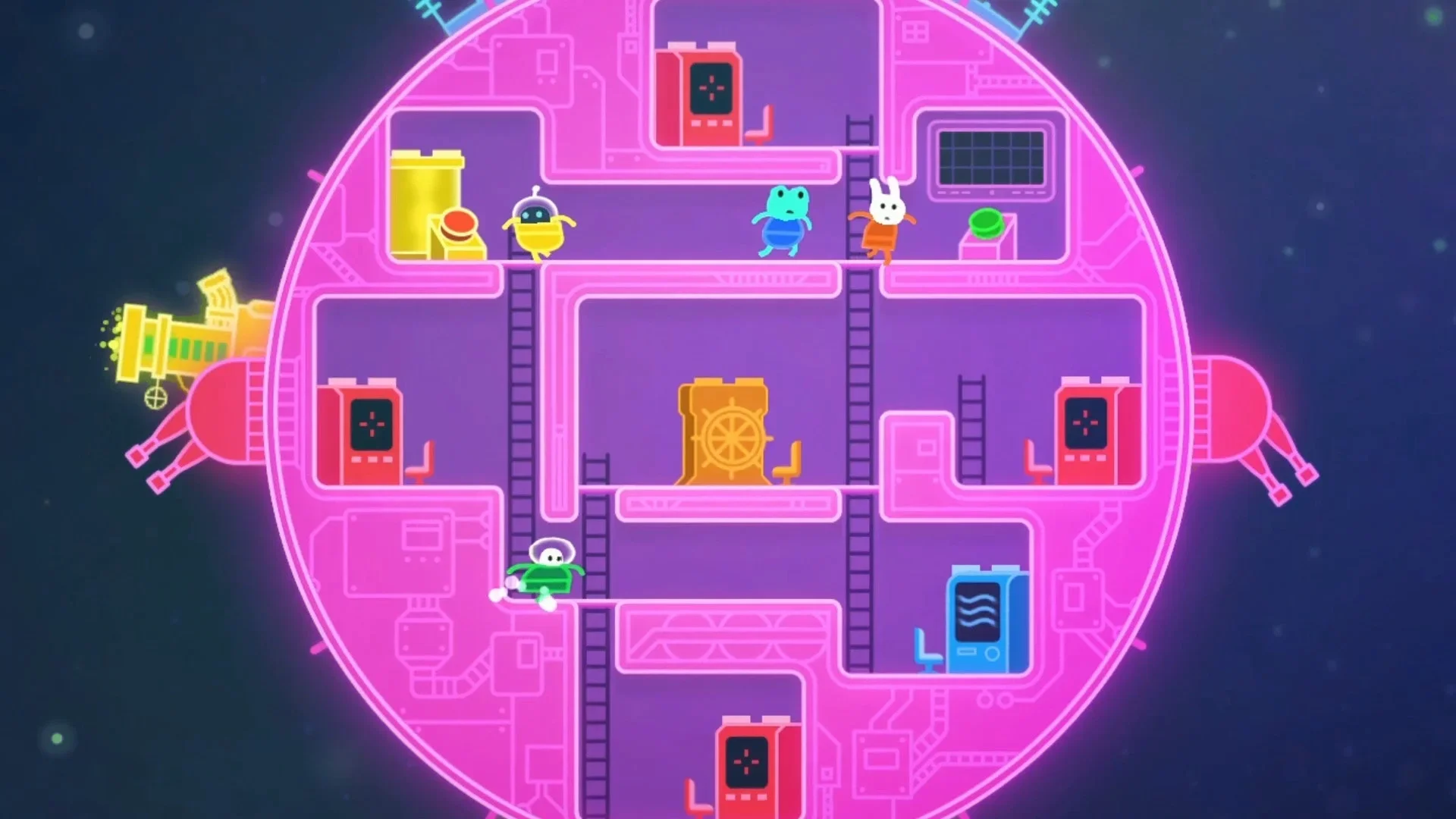
Lovers in a Dangerous Spacetime is one of the best examples of controlled chaos. Players run between stations—piloting, shooting, shielding—trying to keep everything working.

Keep Talking and Nobody Explodes takes it even further. One player sees the bomb, the other reads the manual. No shared screen. Pure communication.

Other great examples:

  • Carly and the Reaperman – one player in VR, one on screen

  • Arise: A Simple Story – one controls the character, the other controls time

  • Degrees of Separation – fire and ice mechanics affecting the world

  • Toodee and Topdee – two completely different perspectives (2D and top-down)

At this point, asymmetry isn’t just a mechanic—it’s the entire game.


Hazelight and Modern Asymmetrical Co-op

Then you have Hazelight Studios.

Games like A Way Out, It Takes Two, and now Split Fiction took asymmetrical co-op and turned it into cinematic storytelling.

Every section gives players different tools. One fixes machinery while the other provides cover. One uses nails, the other uses a hammer. It’s not just split roles—it’s split perspectives.

They’ve basically become the gold standard for co-op design.

And honestly, their success is what opened the door for bigger studios to start taking this idea seriously again.


Why It Works

From Fire Truck in 1978 to modern games today, asymmetrical co-op has evolved from a limitation into something intentional.

It’s the purest form of teamwork in gaming.

Not two players doing the same thing—
but two players relying on each other to succeed.

Different roles. Same goal.

That’s asymmetrical co-op.

Every Exclusive Couch Co-op Switch 2 Game So Far

The Switch 2 has been out for a little while now, so I think it’s time to talk about every single exclusive couch co-op Switch 2 game so far.

There still aren’t a ton of true exclusives yet, but there are already some interesting ones here. Some are full co-op games, some have assist modes, some have team options, and a few upcoming games look especially promising. I also wanted to touch on the Switch 2 upgrade packs and GameShare, because even though those aren’t all brand-new exclusives, they do add some unique local co-op features that are worth mentioning.
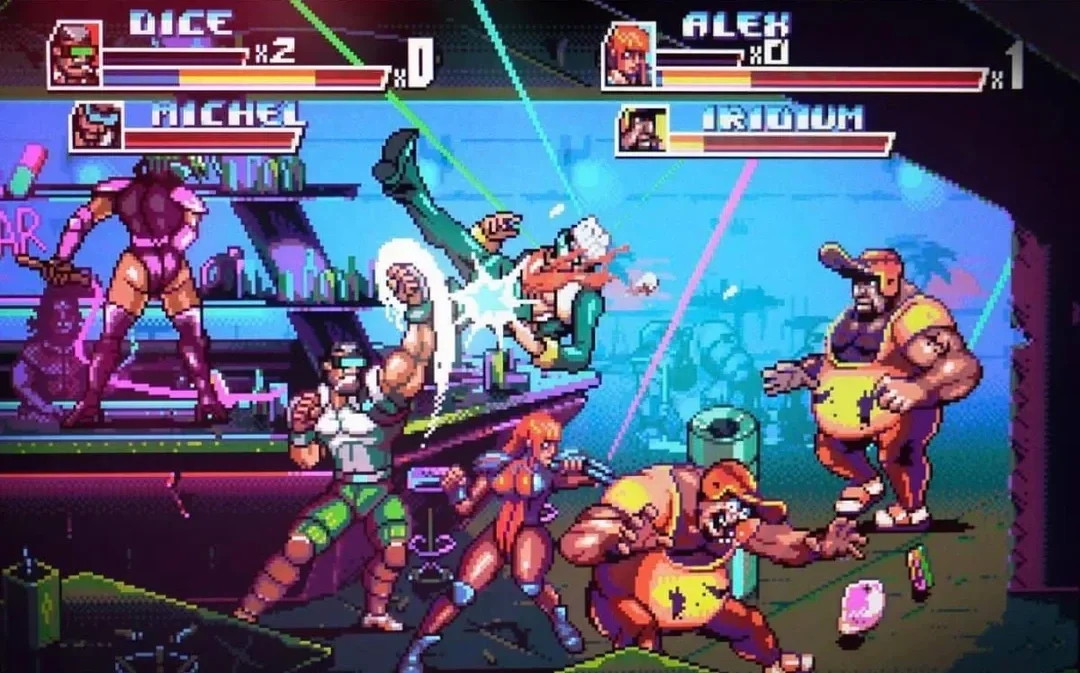
Current Switch 2 Exclusives

Donkey Kong Bonanza

Starting with the current games, we have Donkey Kong Bonanza. This feels like a reboot of the Donkey Kong series, and it’s the first time he’s been in 3D since Donkey Kong 64. This is a lot better than that game.

Now it’s an open world. You can climb on just about everything, and you can destroy just about everything. It feels kind of like Donkey Kong 64 mixed with Breath of the Wild. It’s just a huge world to explore and discover new things in.

One cool thing about this game is that you can actually play it in co-op. It is an assist mode, but this is one of the better ways that this has been done. Player two plays Pauline. She’s able to sing, and basically player two controls a cursor. Whenever Pauline sings, she shoots a projectile, and you’re able to pretty much destroy everything.

This is actually a huge help when playing with a friend. It’s not exactly an equal experience, but maybe play this with a kid or someone that has a little more patience. I’ve heard some people say that this actually makes the game too easy, and to me, honestly, that’s never a bad thing because I kind of suck at games. Overall, I think this is an excellent game, and it’s one of the better examples of an assist mode.


Hyrule Warriors: Age of Imprisonment

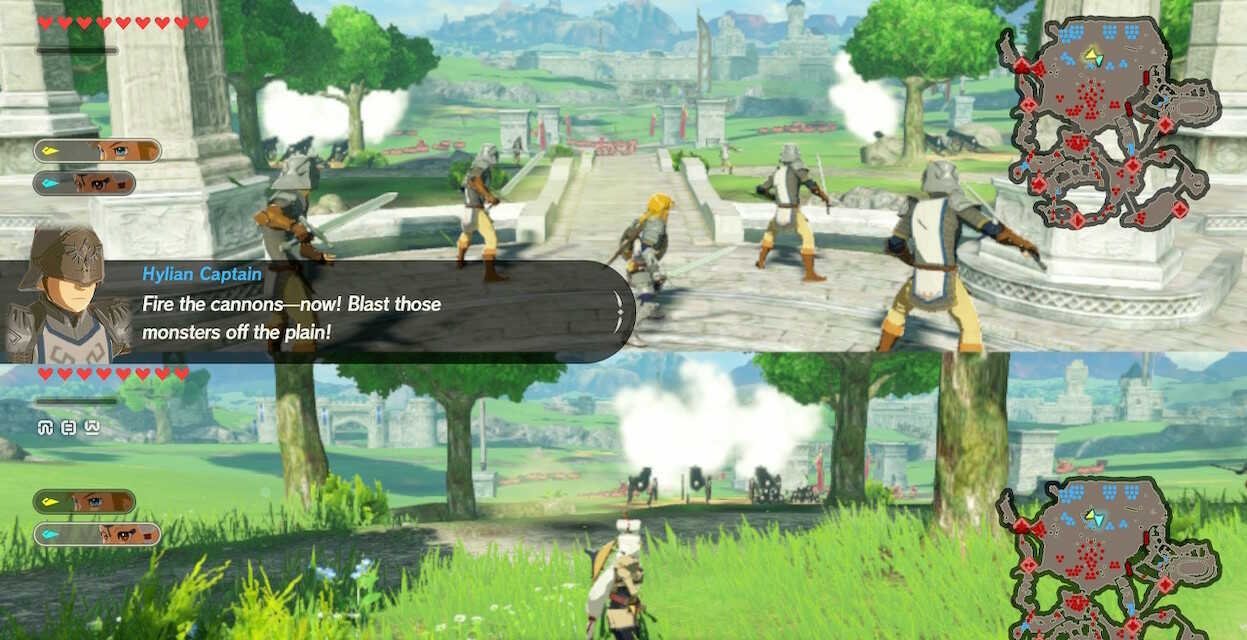
Hyrule Warriors: Age of Imprisonment is pretty much more of the same if you already know the Hyrule Warriors games. So if you like those games, you’ll definitely like this.

It’s Zelda mixed with Dynasty Warriors. You play as a Zelda character, you go up against hundreds and hundreds of enemies, you hack and slash your way through all of them, then you do a boss fight, then you get a cutscene, then you go to the next level. That’s basically it, and you do that over and over again.

The one thing that’s cool about this one is that it gives you a lot of backstory for Tears of the Kingdom. So if you’re into Zelda lore, this is definitely a game you should check out.

Also, playing this on the Switch 2 is a huge step up. Hyrule Warriors: Age of Calamity was a fun game, but in split screen it slowed down immensely. It was kind of a mess. Having the more powerful Switch 2 here definitely makes this game feel and perform a lot better.


Kirby Air Riders

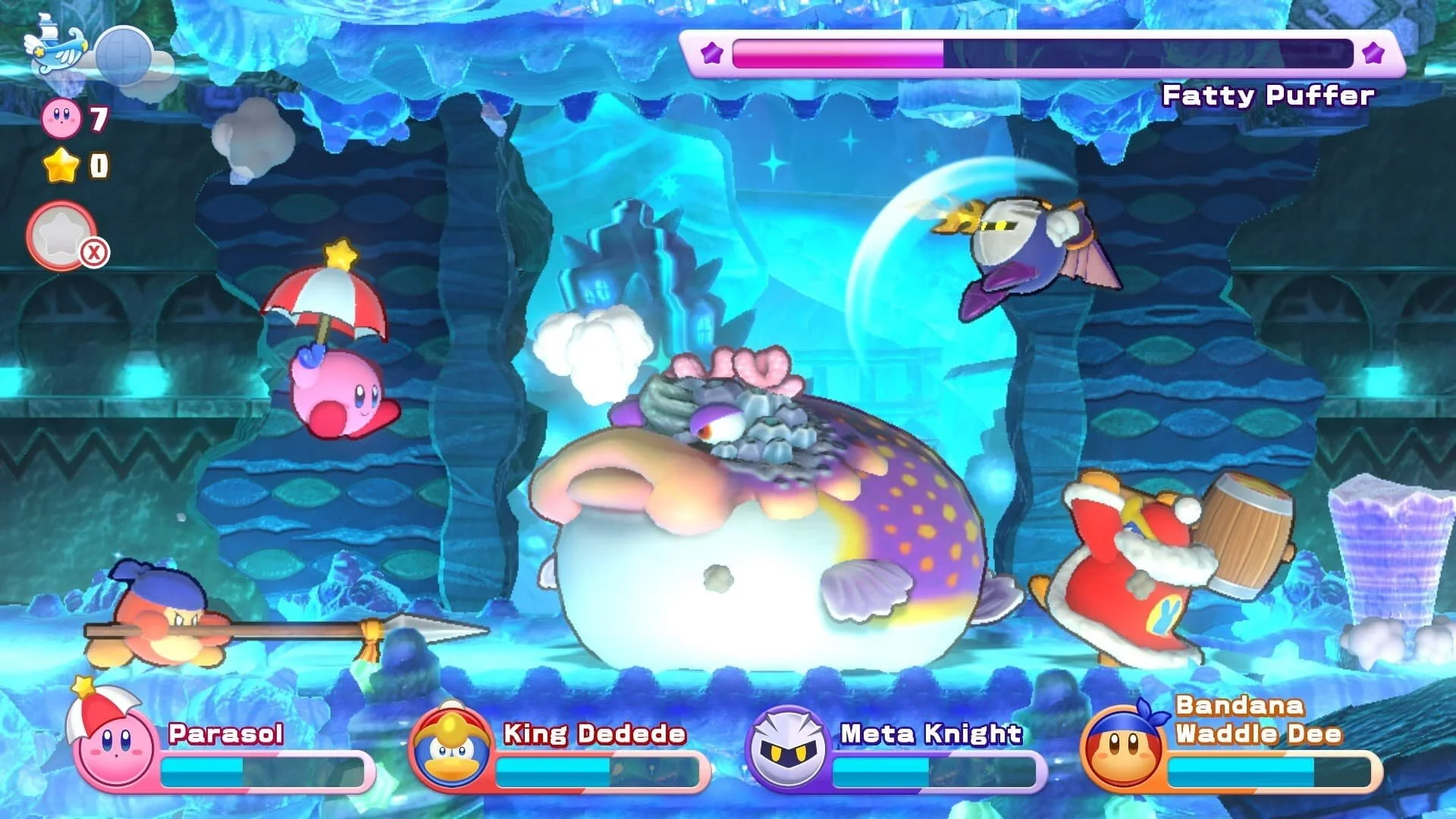
Kirby Air Riders is one I originally thought was just a remake of Kirby Air Ride, but it’s actually a totally new game, so I kind of ignored it for a minute.

Basically, it’s like Kirby mixed with Mario Kart, but this one adds a lot of new stuff. You can’t play through the actual story mode in co-op, but there are some team options. If you go into City Trial, there’s an option for rules. When you go into the rules and go down to versus format, you can change it to teams.

You can do two-on-two, three-on-three, all the way up to eight-versus-eight. In here, you can do the trial mode where you power up in the city and then compete. You’re also able to just do the free run mode, which is more of a casual experience where you just explore.

So while this isn’t really a full co-op game, there’s still enough team-based stuff here that I wanted to mention it.


Mario Kart World

Mario Kart World is the latest addition to the Mario Kart series. If you like Mario Kart, you’re definitely going to like this one.

This one adds a few things, like an open world. However, the co-op gameplay is very limited. I still wanted to mention that it does have some team options. You can’t play through the whole story mode co-op, unfortunately, but if you go to multiplayer and select two to four players, you are able to play a versus match or a battle match with custom settings where you can set it up with teams. You can do two to four teams.

There’s also kind of a hidden mode. If you go down to wireless play, or if you hold L and R and push in the left stick, you can switch it to LAN play. Then you create a room, and basically you can do free roam in split screen co-op.

However, it doesn’t have all the same features. The P-switch challenges aren’t available, and you cannot enter photo mode. But you can still get the Peach medallions around the world. The other thing is that at the bottom of the screen it will always say “waiting for other players,” so that’s kind of lame.

The co-op gameplay here is definitely limited. There’s not a lot of actual cooperation happening, but it is kind of fun as a casual mode where you just explore the open world together.


Mario Tennis Fever

Mario Tennis Fever does not include co-op in its Adventure mode, which is strictly single-player. Instead, local co-op comes from doubles matches, where two players can team up against AI or other players. It’s more of a classic team-based multiplayer experience rather than a full co-op campaign, but it still works well for quick, competitive co-op sessions on the couch.


Obakeidoro 2: Chase and Seek

Obakeidoro 2: Chase and Seek came out only in Japan on Switch 2.

I played the original game a lot on Steam. It’s also known as Bail or Jail. Basically, it’s like a kids version of Friday the 13th. You can either play it with four players where one player is the monster and the other three players team up against them, or you can do it against AI.

The gameplay is pretty simple. Everyone goes and hides, and the monster tries to kill everybody. All of the human players want to survive until the timer runs out.

The gameplay really isn’t deep, but if you want something that’s slightly scary and that your kids can actually join in on, this is probably a decent title for that.


Puyo Puyo Tetris 2S

Puyo Puyo Tetris 2S originally came out on the Switch, but this is a version that’s exclusive to the Switch 2 with some added features, primarily that you can now play doubles.

You can’t play through the adventure mode here, but you are able to team up with a friend against two AI characters. You basically team up and each control shapes individually. If you’re into puzzle games, you might enjoy this one.


Survival Kids

And then there’s Survival Kids. This game only got a digital release, but it’s a sequel to a Game Boy Color game. It’s published by Konami, and you can play with up to four players in local co-op.

Basically, you play as these kids, you’re all stranded on an island, and you’re going to craft and build things. You can play the game in split screen co-op, so you’re not all stuck to the same screen.

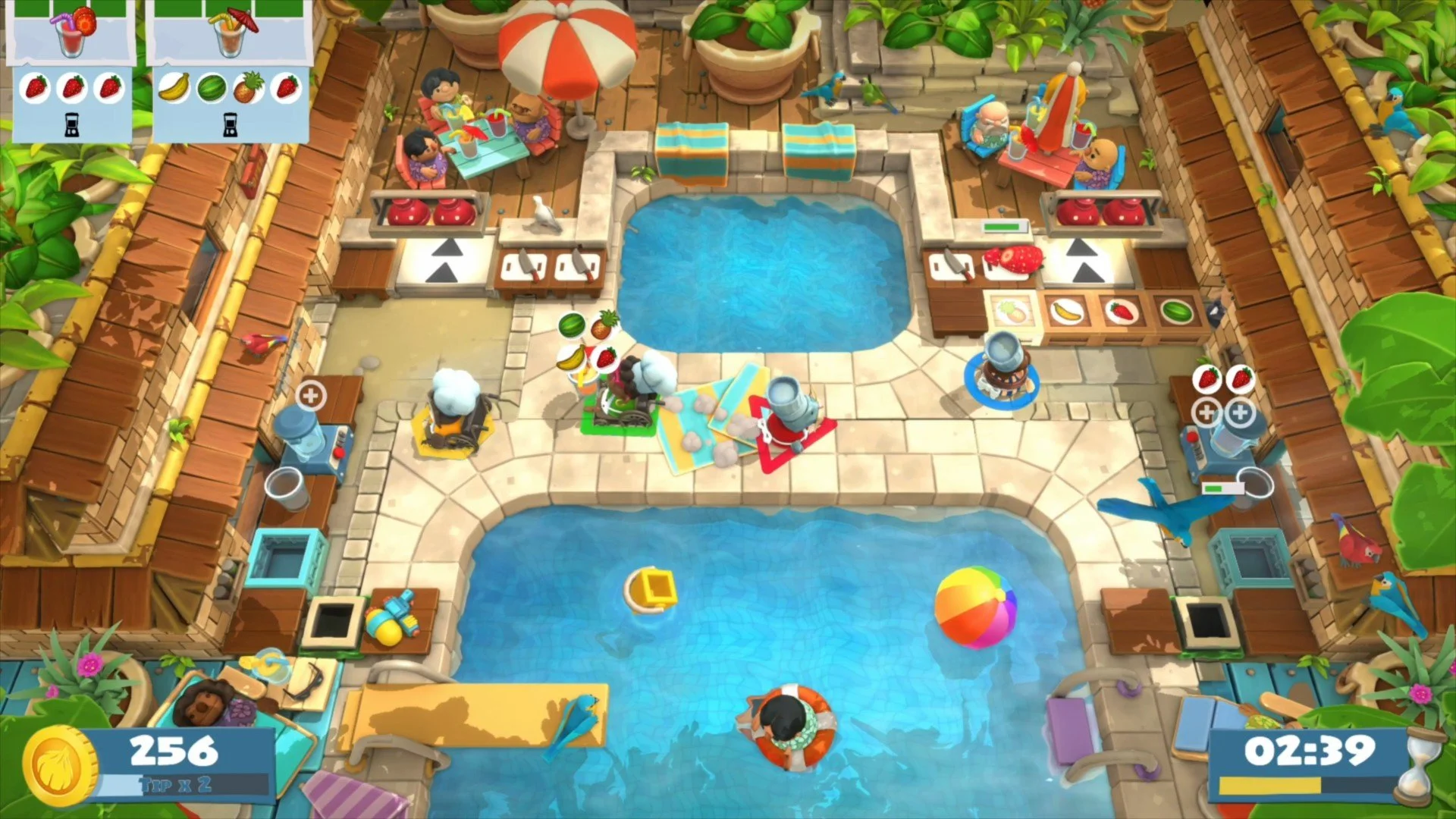
I’ve heard this game described as a mix between Stardew Valley and Overcooked, and I think that’s pretty accurate. This is another one that’s just a really good family-friendly co-op survival game.


Switch 2 Upgrade Packs

I also wanted to talk about some of the upgrade packs. These are games that came out on the original Switch and other platforms, but they now have unique features exclusive to the Switch 2.

One thing that’s cool about these upgrade packs is that if you already own the original game, you just pay a lower price to unlock the additional content.

Brotato

Brotato is a really basic game. It’s similar to Vampire Survivors, where you control your character, move around, and it automatically attacks. There are some roguelite elements, so you can upgrade as you go.

The exclusive feature for the Switch 2 version is that you can now play it in four-player local co-op, whereas originally you could only play it in two-player.


Kirby and the Forgotten Land: Star-Crossed World

Kirby and the Forgotten Land: Star-Crossed World is basically DLC for Kirby and the Forgotten Land, but you can only play it on the Switch 2.

There’s actually quite a bit of content here. Playing through it, the whole thing is around two to three hours long. It’s a totally new story with some new levels, and you’re able to play it in two-player co-op just like the original game.
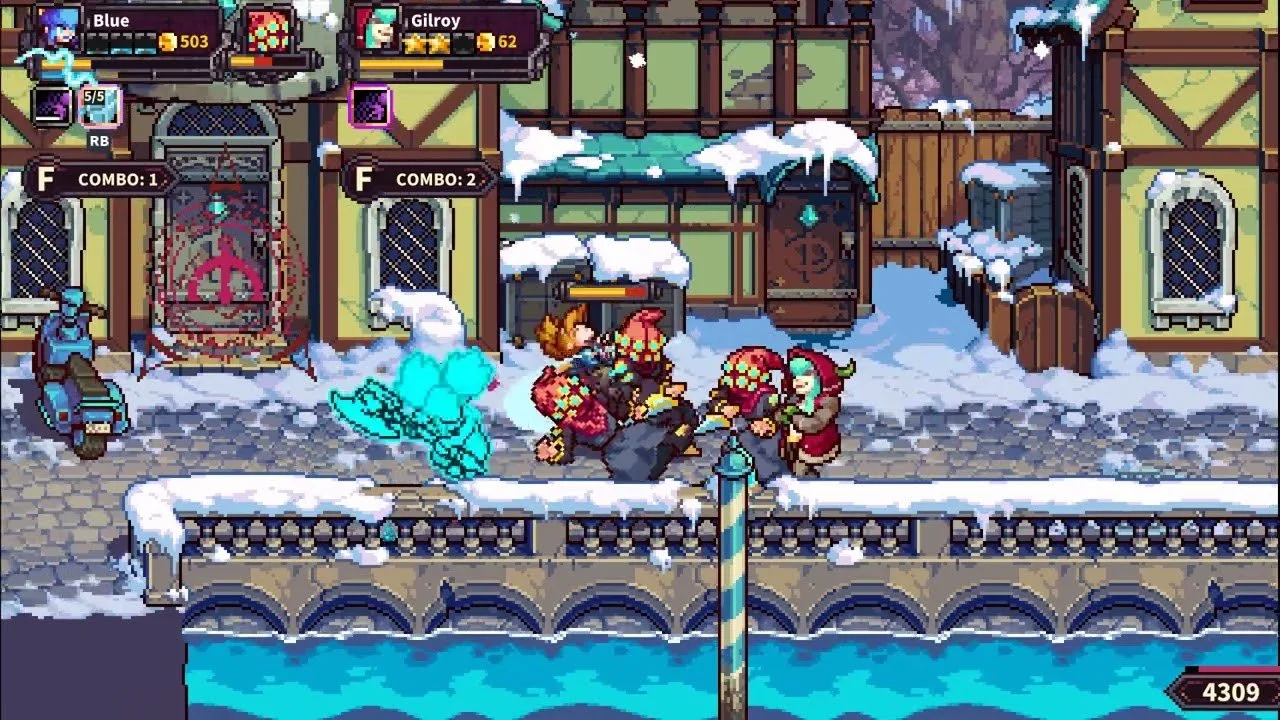

Super Mario Party Jamboree

Super Mario Party Jamboree adds in a bunch of new mini-games, but there’s also a tag team mode, so you’re able to play through a game teaming up with a friend.


Mario Wonder (Upcoming Upgrade Pack)

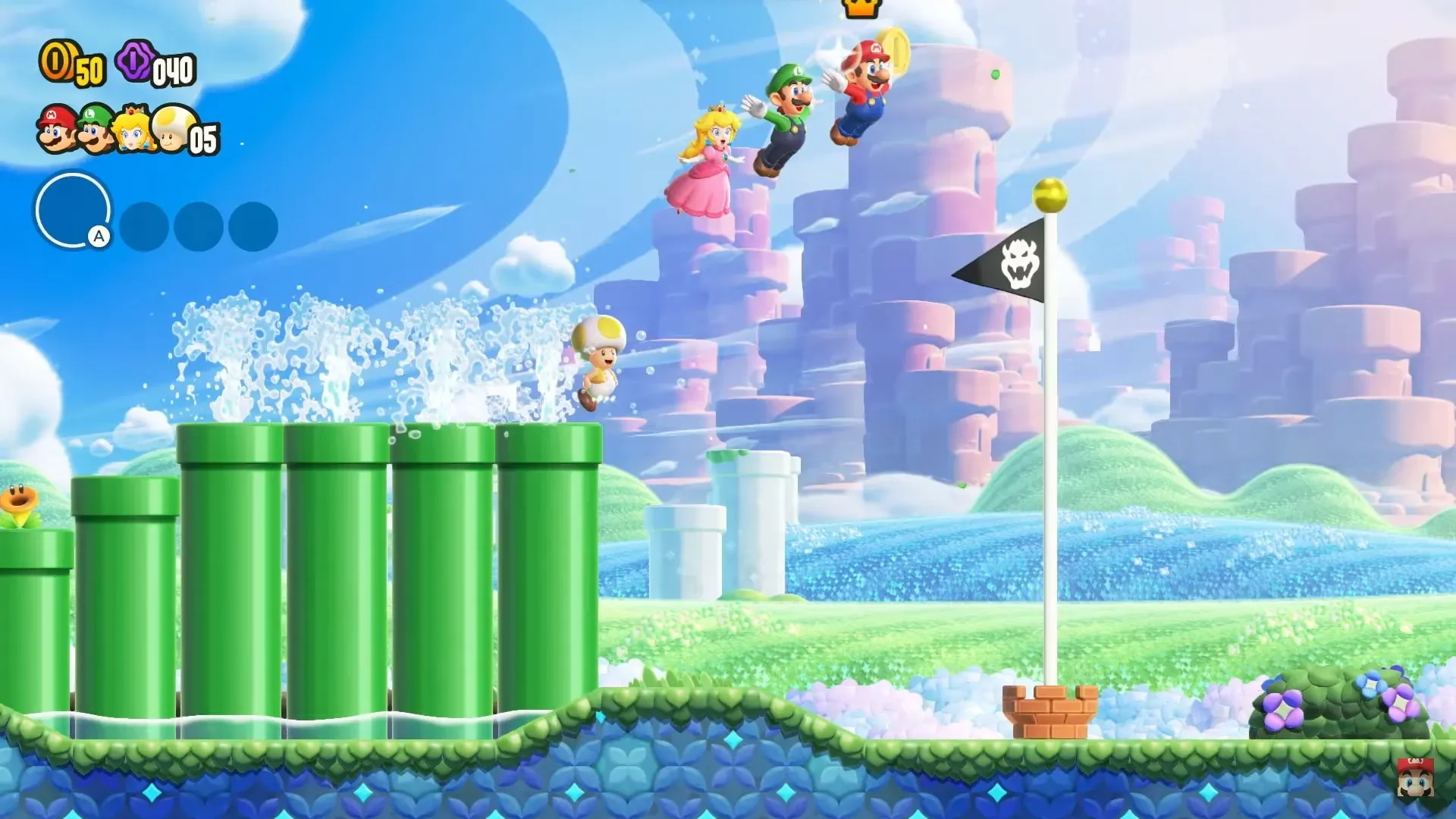
An upcoming upgrade pack is Mario Wonder. This one hasn’t come out yet, but it’s going to add a bunch of new levels and a couple of new characters like some Yoshis, and you can play as Rosalina. Of course, you can play these co-op. I’m really looking forward to this one.


Upcoming Switch 2 Exclusives

There still aren’t a lot of Switch 2 exclusives that are already out, but there are some that are hopefully coming this year.

Mouse Works

Mouse Works is a four-player co-op game that exclusively uses the Joy-Con mouse feature.

It looks like you’re just playing a bunch of mini-games. This is made by the creators of Snipperclips, and it definitely looks like that kind of co-op party game. I heard it’s also influenced by Part-Time UFO, and I can totally see that with the art style.


Orbitals

Orbitals is the game I’m most excited for next year.

It’s a Switch 2 exclusive, it has a really great hand-drawn ’90s anime art style, and you can only play it in co-op. I don’t think there’s even a single-player mode. The gameplay seems to be asymmetrical, where everybody has their own roles and you have to work together.

It definitely looks like it could be similar to It Takes Two or Split Fiction. I’m really looking forward to this one.


Yoshi and the Mysterious Book

Yoshi and the Mysterious Book is another new Yoshi game, and this one has co-op.

I’m a big fan of the Yoshi games. I really like Yoshi’s Woolly World and Yoshi’s Crafted World, and this seems to be more of the same. It’s a 2D platformer that can be played co-op, but this one’s art style looks more like watercolor, and I really like that. I think it looks good.

The Yoshi games are perfect to play with kids, but I’ve always had fun playing them with an adult partner as well. Either way, this is another one I’m really excited for.


Switch 2 GameShare Co-op Games

I also wanted to briefly go over the GameShare games.

If you don’t know what GameShare is, it’s a new feature on the Switch 2 where you can basically do a system link with a Switch 2 and an original Switch. You just need one copy of the game, and you’re able to broadcast it over to the original Switch.

I think this works really well. I played it with Hyrule Warriors: Age of Imprisonment, and instead of playing split screen, you each have your own screen and can sit in the same room. I think this is awesome.

A lot of people who already have a Switch 2 probably also still have an original Switch. So this is just a great way to try some of these games out. If you don’t want to play on the TV or you don’t have access to a TV, you can still do local co-op, each on your own Switch. And like I said, you only need one copy of the game, which is the best part.

Most of these GameShare games can be played locally, but some of them are only online. So for some of them, you do need Nintendo Switch Online in order to use the GameShare option.

  • Brotato

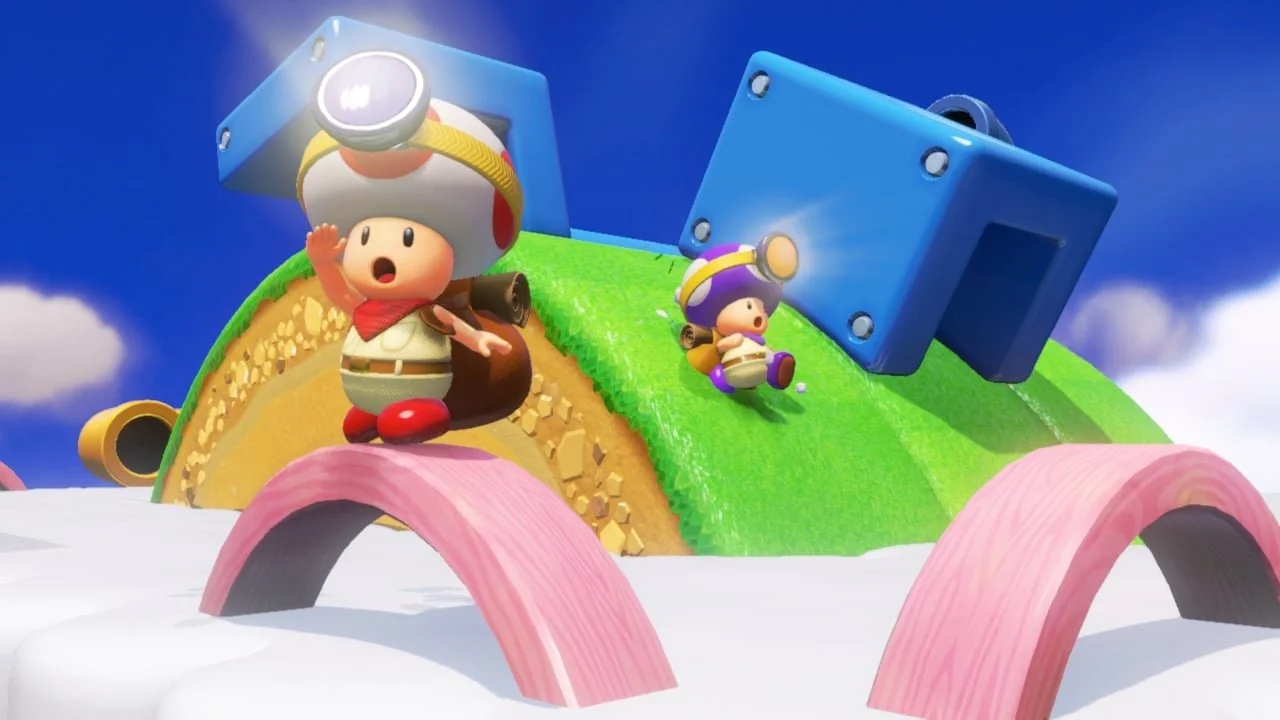
  • Captain toad

  • Chillin by the fire

  • Donkey Kong

  • Human Fall Flat (switch 2 edition)

  • Hyrule warriors: Age of imprisonment

  • Lynked: Banner of the Spark (control the bot) (Need online connection)

  • Mario 3D World

  • Mario Odyssey

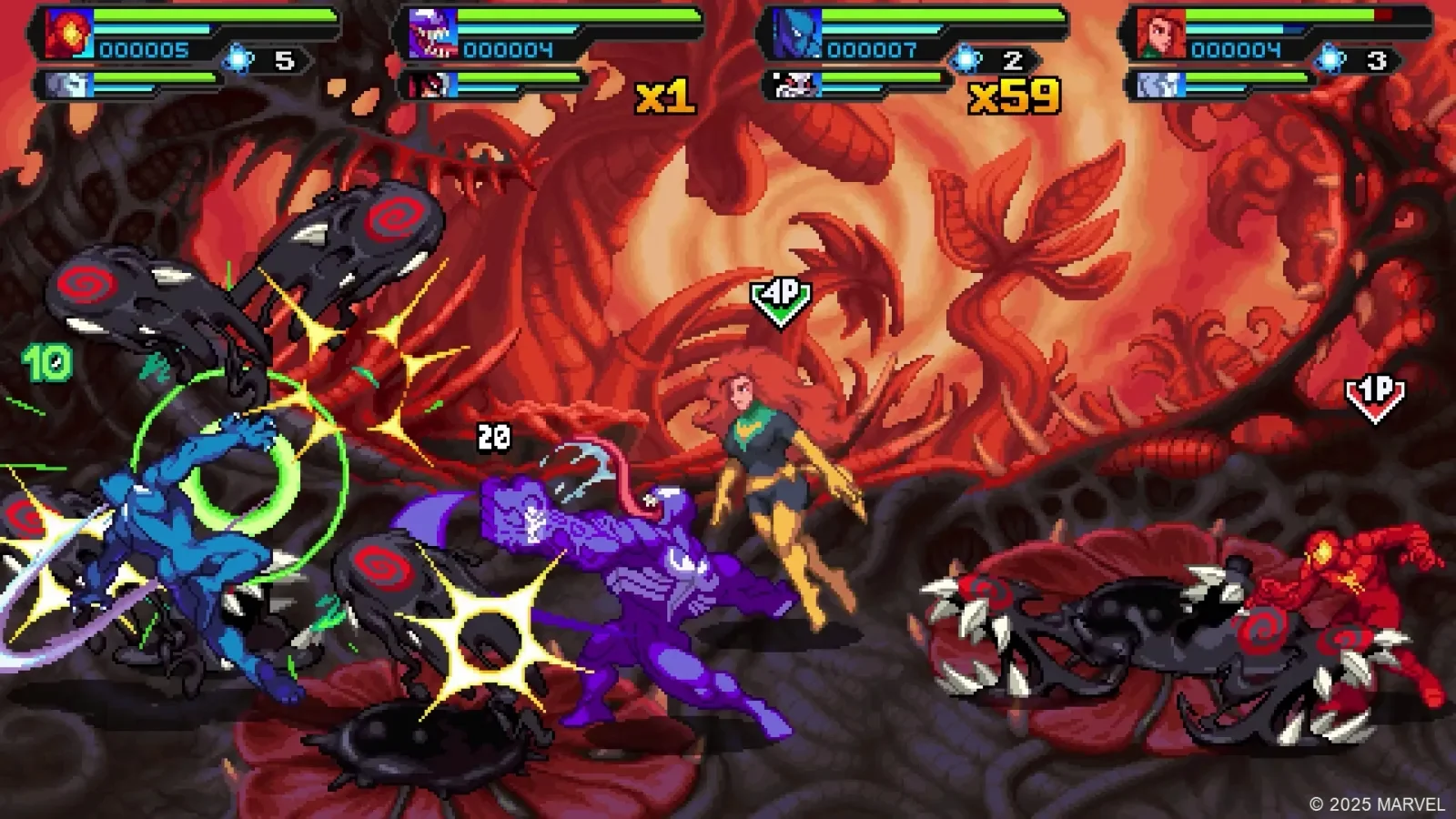
  • Marvel Cosmic Invasion

  • Nicktoons & the Dicey of Destiny (online gameshare)

  • Overcooked 2

  • Plants vs. Zombies: Replanted

  • Pokemon Pokopia

  • Puyo Puyo Tetris 2S

  • Split fiction

  • Stardew Valley: Nintendo Switch 2 Edition

  • Storm Lancers

  • Survival Kids

  • Teenage Mutant Ninja Turtles: Splintered Fate


Final Thoughts

So those are all of the exclusive couch co-op Switch 2 games that have been announced so far, plus the upgrade packs and GameShare stuff that I think are worth mentioning.

The Switch 2 doesn’t have a huge exclusive library yet, but the games that are here are actually pretty solid. There’s already a decent mix of family games, assist modes, team-based stuff, and some more interesting upcoming co-op releases.

Hopefully we get a lot more announced pretty soon.

What’s your favorite couch co-op Switch 2 exclusive so far?

Why Co-op Was Better Back Then

Introduction

I grew up playing co-op games with my brother and sister. Most weekends were spent going to our local rental store, picking up Sega Genesis and Super Nintendo boxes off the shelf, and trying to figure out what we were going to play.

We weren’t just looking for good games—we were looking for games we could play together. On Genesis boxes, there was usually a “1 or 2 players” label, which helped a little, but we still had to figure out if it was co-op or competitive.

That process—scanning boxes, guessing, taking a chance—is how I found some of my favorite co-op games of all time: Streets of Rage 2, ToeJam & Earl, and World of Illusion. And honestly, those games still hold up today.


Timeless Design vs. Modern Realism

In my opinion, a lot of these older games are timeless, and a big part of that comes down to art style and design choices.

2D pixel art, especially from the 16-bit era, just works. It always looks good. It’s stylized, intentional, and readable. That’s why so many modern games are still trying to replicate that look today.

Compare that to the early 3D era—PlayStation and Nintendo 64. Those games were pushing for realism, but they didn’t quite have the technology to pull it off, and as a result, a lot of them don’t hold up visually. They can look clunky or rough by today’s standards.

That doesn’t mean they’re bad. There’s still nostalgia there, and there’s still a charm to those visuals and controls, but when you compare them directly, 2D pixel art—especially from the SNES and Genesis era—just ages better. It’s consistently beautiful.


It Was Easier to Build Co-op Back Then

But it’s not just visuals—it’s design.

Older games were often built in a shared 2D space: one screen, no complex camera systems, no split-screen, and no perspective issues. That made co-op easier to design and easier to play.

Everyone could stay on the same screen, see the same information, and work toward the same goal. As games became more complex—3D worlds, dynamic cameras, online systems—co-op became harder to implement, especially locally, and over time it stopped being the priority.


Co-op Is No Longer the Standard

In today’s gaming landscape—especially in AAA—couch co-op just isn’t a priority anymore.

We still have multiplayer, but it’s usually online, competitive, or secondary to the main experience. There are definitely exceptions like -

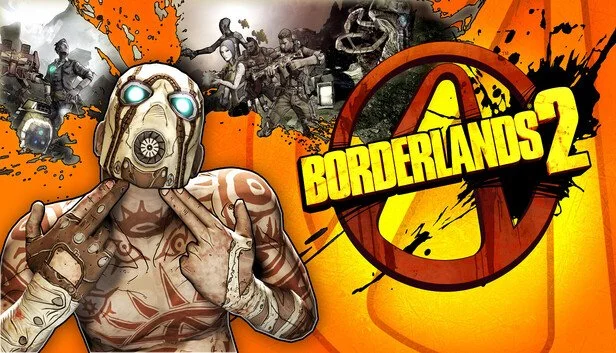
  • Borderlands

  • Diablo IV

  • Gears of War

  • Nintendo games like Mario Wonder and Kirby

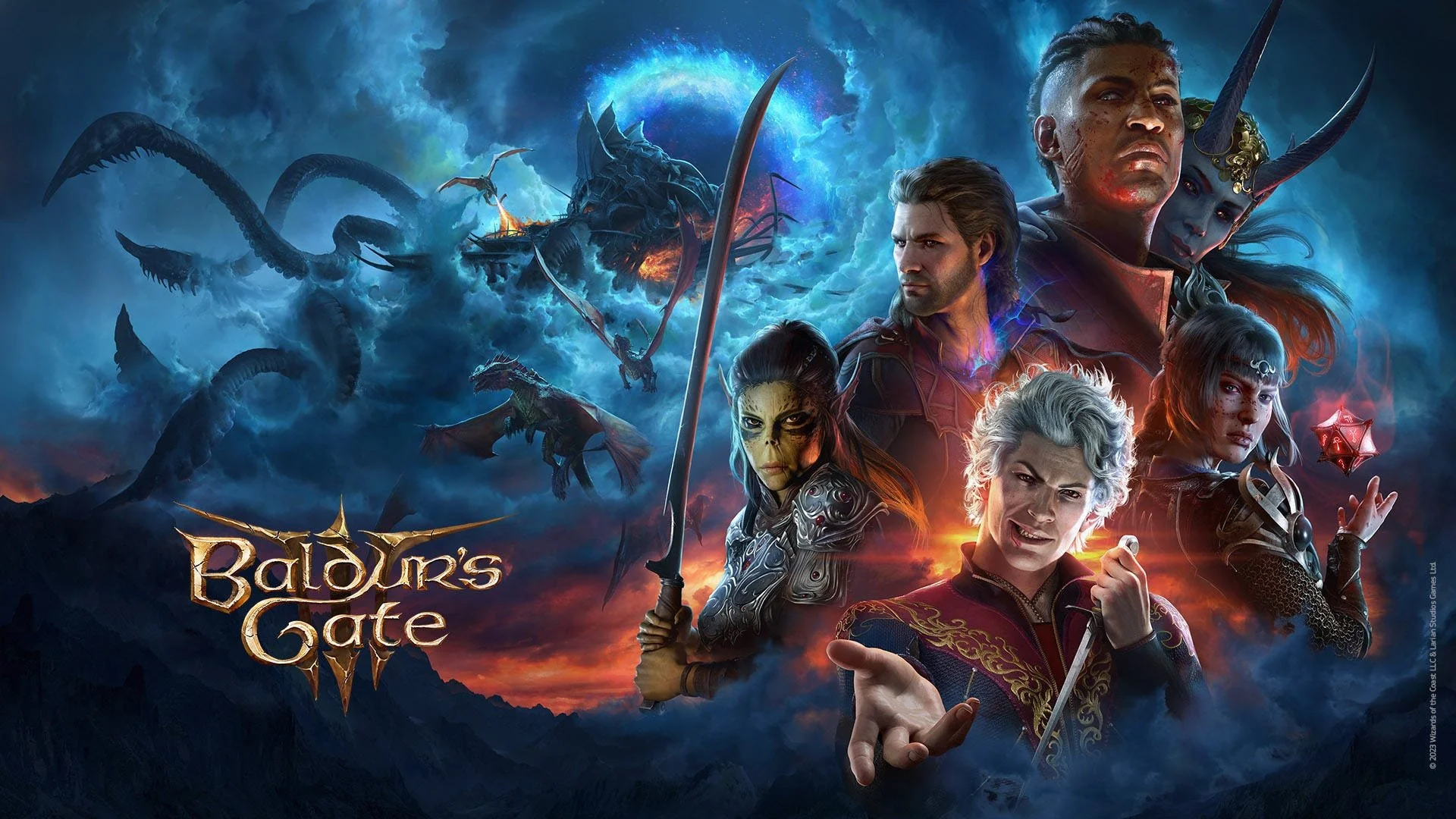
  • Baldur’s Gate 3

  • the Divinity series

  • Hazelight Studio games

Those games prove that co-op can still work at a high level, but they’re the exception, not the standard.


The Golden Era of Couch Co-op

For me, the golden era of couch co-op is the mid-80s arcade era through the mid-90s home console era, with some definite highlights continuing into the PS1, Sega Saturn, N64, PS2, Xbox, and GameCube.

Back then, online gaming wasn’t really a thing, so if you wanted to play with someone, you had to be in the same room. And because of that, gaming felt different.

You’d rent a game for the weekend, go to a friend’s house, have sleepovers, stay up late, eat junk food, and play that game until you beat it. It wasn’t just playing—it was an event.


Why That Experience Still Matters

That’s the part I care about most.

Whether it’s with your partner, your kids, your family, or your friends, I love making it a special thing—an event. Some people do this with sports, they get together and watch a game, but for me, it’s about getting together and playing through a game start to finish.

It’s interactive, it’s satisfying, and it’s a real bonding experience. I’ve built some of my strongest friendships this way, and I still bond over video games with my daughter. I’ve shown her games I grew up with, and we play modern games too.

When I get together with my friends, we usually do a mix of old and new. And yeah, I probably play more couch co-op games than most people because of my YouTube channel and this website, but I’m trying to do my part to keep that experience alive.


It’s Harder Now—But Still Worth It

As an adult, it’s harder to make this happen.

People are busy. We have responsibilities. We have kids. Online gaming is convenient, and I understand why it’s become the standard.

But nothing really compares to getting people together in the same room. There’s something about sharing the same space, working toward the same goal, and just being present that makes it feel more meaningful. It’s less casual and more intentional. It feels like something you planned, something you made time for.


Why Old Games Still Feel Better for Co-op

So when I say old games are better for co-op, I don’t just mean nostalgia.

They were designed around it. It was easier to build co-op into a 2D game without worrying about camera systems, split screens, or technical limitations. That made it more common, more accessible, and more natural.

And I think a lot of what we’re doing now—playing retro games, seeking out indie co-op titles—is really just trying to recreate that feeling of a simpler time. Renting games, hanging out with friends, and making a whole experience out of it. That’s the whole reason I made this website and my YouTube channel.

I want to keep that tradition alive—the practice of getting people together, playing in the same room, and bonding over a game. Not just for fun, but because it actually matters.

It doesn’t matter who you’re playing with or what you’re playing on. It doesn’t matter if it’s an old game or a new one, real hardware or emulation. Just get together, make time for it, and play something start to finish.


Final Thoughts

At the end of the day, it’s not really about whether old games are better than new ones.

It’s about the experience.

Playing co-op games together—especially in the same room—has given me some of my favorite memories, and I think a lot of us are still chasing that feeling in one way or another.

So whether it’s retro or modern, just make it a point to get together and play.

Because those are the moments that stick with you.


Every Co-op Sega Dreamcast Game Ever

If you’ve been watching the channel for a while, you already know co-op has always been my thing.

It’s what I grew up playing with friends and siblings. It’s what I play now with my daughter. It’s just the way I like to experience games.

One of my main goals with Classic Co-op is to eventually cover every co-op game on every retro console, and the Dreamcast has been on my list for a long time.

I’ve played a lot of these over the years, but as I kept digging, I kept finding more. So this is everything—one complete list.

If I missed anything, let me know.


U.S. Co-op Games

All games are listed alphabetically within each section.

Armada
A top-down action RPG with open-ended space exploration. It feels like a mix between Diablo and a shoot ‘em up. It’s grind-heavy, but with four players, it becomes one of the more unique co-op experiences on the system.

Cannon Spike
An arcade-style arena shooter featuring characters from Capcom franchises like Street Fighter and Mega Man. Fast, simple, and perfect for quick co-op sessions.

Centipede (3D Remake)
A modern 3D reimagining of the arcade classic. This version adds split-screen co-op, letting two players take on waves of enemies together in a more updated format.

Charge ‘N Blast
A rail-style shooter where you dodge with your character while aiming separately with a cursor. It’s a cool idea, but the controls hold it back from being great.

Confidential Mission
A light gun shooter and Sega’s answer to Time Crisis. One of the better light gun games on the system and a solid co-op experience.

Death Crimson OX
Infamous for being janky, but still oddly fun. Weird character designs, strange enemies, and rough mechanics—but it’s entertaining in its own way.

Dynamite Cop
A chaotic 3D beat ‘em up and sequel to Die Hard Arcade. You’ll punch fish, fight crabs, and do completely ridiculous things. One of the best 3D brawlers on the system.

Gauntlet Legends
A four-player action RPG dungeon crawler. This version adds elements from Dark Legacy and is one of the best co-op experiences on the Dreamcast.

Giga Wing
A flashy bullet hell shooter with a reflect mechanic that turns enemy fire back at them. Bright, chaotic, and very satisfying in co-op.

Giga Wing 2
Takes everything from the first game and pushes it further. Even more chaotic, and now supports up to four players.

Gunbird 2
A vertical shooter with a more playful, anime-style presentation. Still challenging, but easier to get into than some of the other shooters.

Heavy Metal Geomatrix
A fast-paced arena shooter with a heavy metal vibe. Known as a competitive game, but you can play through the full story in co-op.

The House of the Dead 2
One of the best light gun shooters ever made. Cheesy voice acting, great pacing, and perfect for co-op.

Mars Matrix
A more technical shooter with a unique charge mechanic. Co-op is intense and demands a lot of skill.

Millennium Soldier: Expendable
A top-down shooter with huge explosions and strong arcade energy. Easy to pick up and great for quick co-op sessions.

Midway’s Greatest Arcade Hits Vol. 1
Includes Joust as the only co-op title.

Midway’s Greatest Arcade Hits Vol. 2
Includes Rampage and Gauntlet, both with co-op.

Power Stone 2
A four-player arena brawler with a full co-op story mode. One of the best multiplayer games on the Dreamcast.

Samba de Amigo (Couples Mode)
A rhythm game with a co-op mode where both players must stay in sync. Surprisingly fun.

Sega Smash Pack
Includes co-op Genesis games like Golden Axe and Streets of Rage 2, but the emulation is poor. Not really worth playing.

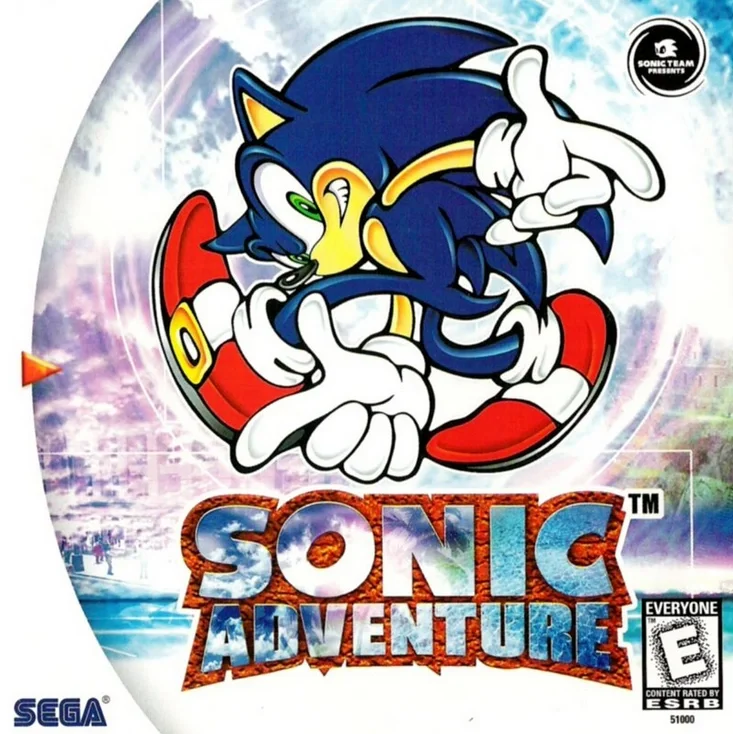
Sonic Adventure (Hidden Co-op)
A second player can control Tails, but it’s very limited. More of a novelty than a real co-op mode.

Spawn: In the Demon’s Hand
A third-person arena shooter similar to Heavy Metal Geomatrix, but not as strong overall.

Star Wars Demolition
Vehicle combat with a Star Wars twist. Playable in co-op, but frustrating controls hold it back.

Star Wars Jedi Power Battles
A 3D beat ‘em up with lightsabers. Solid combat, but difficult and sometimes frustrating.

Street Fighter Alpha 3 (2-on-1 Mode)
Not traditionally co-op, but the 2-on-1 mode lets two players team up against one opponent.

The Typing of the Dead
A bizarre but brilliant take on House of the Dead where you type instead of shoot. Co-op works if you have two keyboards.

Vigilante 8: Second Offense
Vehicle combat with improved mechanics over the original. Co-op is intact and plays well.

Zombie Revenge
A mix of beat ‘em up and shooting mechanics with classic Dreamcast cheese. One of the best co-op games on the system.


Japan-Only Co-op Games

Castle Shikigami 2
A stylish vertical shooter with strong character abilities and tight co-op gameplay.

Death Crimson 2
Improves on OX with added exploration, but co-op is best experienced through the light gun sections.

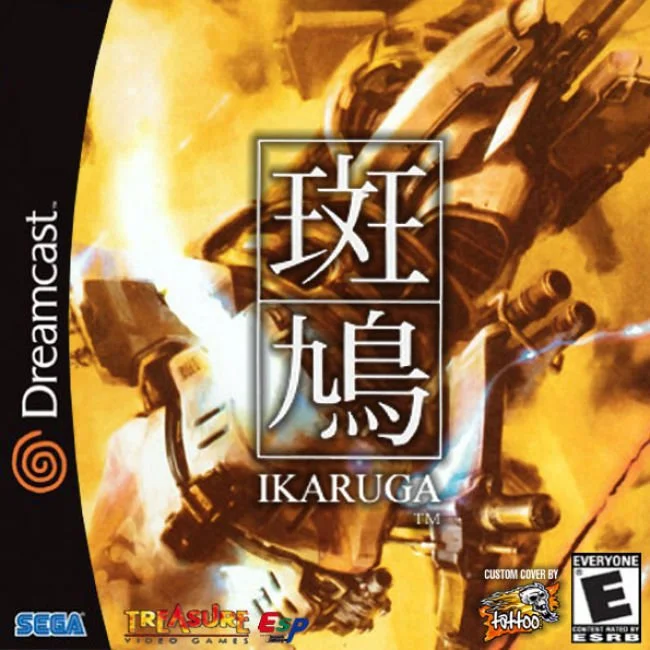
Ikaruga
One of the greatest shooters ever made. The polarity system adds a puzzle-like layer to co-op.

Seven Mansions: Ghastly Smile
A co-op survival horror game with a fan translation available. Often considered the first co-op survival horror game.

Trizeal
A Japanese vertical shoot ‘em up with multiple weapon types and classic arcade-style gameplay. Co-op works well and feels right at home on the Dreamcast.

Under Defeat
A helicopter-based shooter with modern visuals and strong co-op mechanics. A fan favorite.

Virtua Cop 2 (Dreamcast version)
A solid light gun shooter and one of the best ways to play this arcade classic at home.

Zero Gunner 2
A unique shooter with a rotating aiming system that lets you circle enemies. Smooth and satisfying in co-op.


Atomiswave / Arcade Ports (Dreamcast Compatible)

Demolish Fist
A 3D beat ‘em up with over-the-top action and strong combat mechanics.

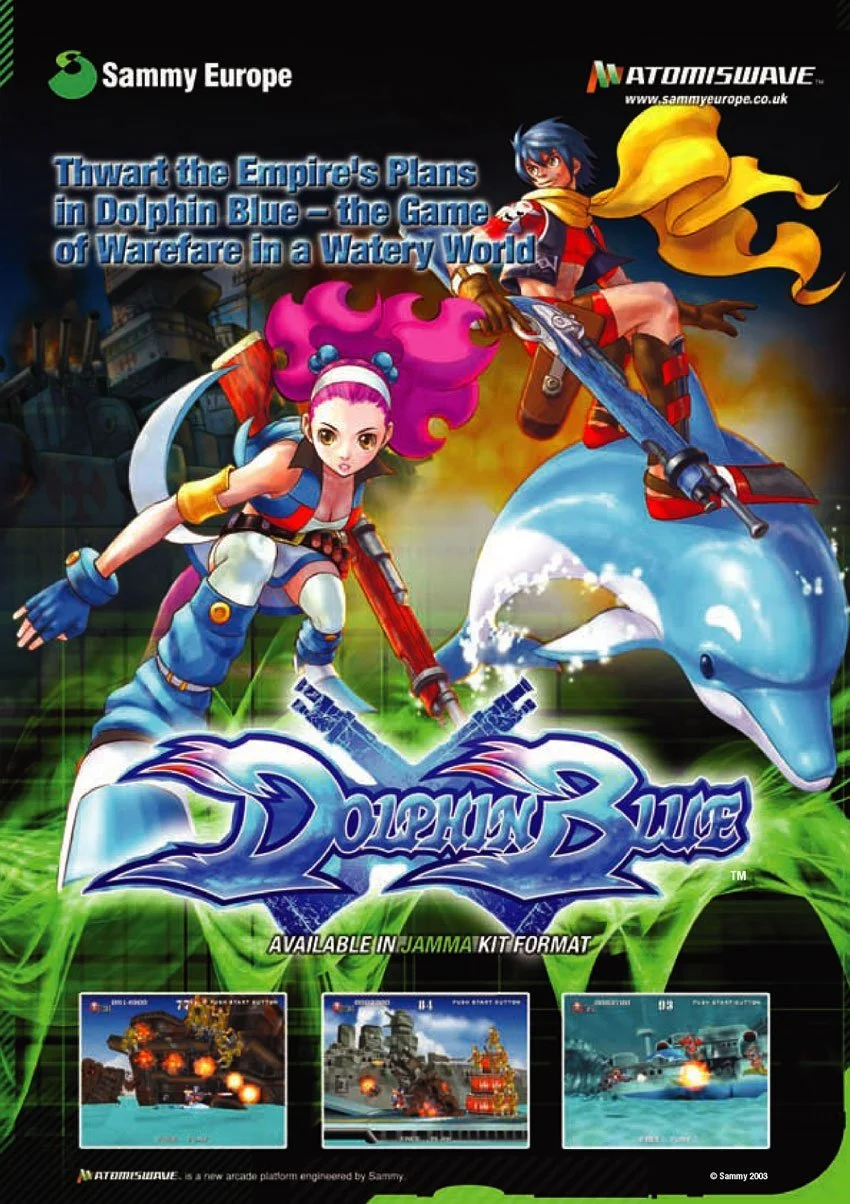
Dolphin Blue
A run-and-gun shooter similar to Metal Slug, but with dolphins. Fast-paced with great animation and co-op gameplay.

Guilty Gear Isuka
A fighting game that supports co-op through 2v2 battles with multiple planes.

Knights of Valor
A 2D beat ‘em up with deep combat and branching paths. Excellent in co-op.

Metal Slug 6
Classic run-and-gun gameplay with new mechanics like weapon switching. Co-op is as good as ever.


Homebrew & Indie Co-op

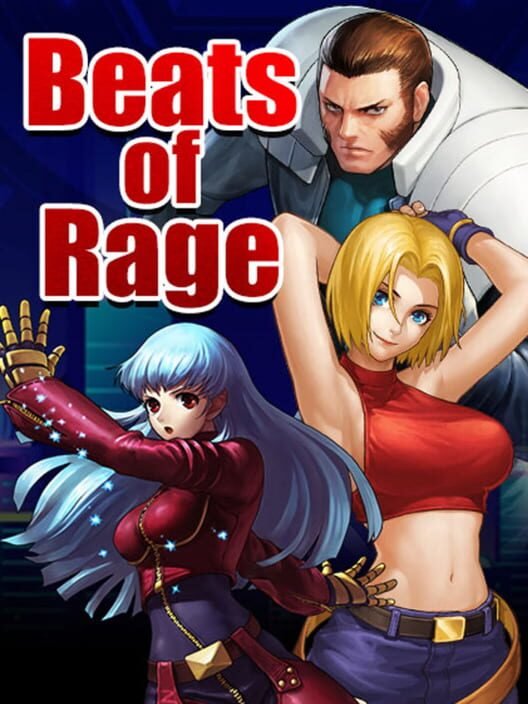
Beats of Rage
An open-source beat ‘em up engine with countless mods. One of the most important parts of the Dreamcast homebrew scene.

Ghost Blade
A modern shoot ‘em up with polished visuals and accessible gameplay.

Postal
A top-down shooter that supports up to four-player co-op on Dreamcast. Not for everyone, but more interesting with friends.

Xeno Crisis
A twin-stick run-and-gun shooter inspired by Smash TV. Tight gameplay and great co-op.

Yeah Yeah Beebiss II
A simple single-screen platformer that started as a joke and became a real game. Basic, but fun.


Final Thoughts

That’s every co-op Sega Dreamcast game.

There might be a few homebrew titles I missed, and there’s definitely more to explore within Beats of Rage, but this covers the full library.

The Dreamcast might not have the biggest co-op lineup, but what’s here is solid—and in some cases, some of the best co-op experiences of its era.

If I missed anything, let me know.

And yeah… I skipped sports games on purpose.

The Complete History of Couch Co-op RPGs

RPGs are mostly known as a single-player experience, but that was never really the full story.

If you go back to the origins of RPGs, these games were built around playing with other people. Tabletop games like Dungeons & Dragons in the 1970s introduced party roles, shared progression, and cooperative dungeon crawling. Players were not competing. They were working together, building a party, and surviving as a group.

At the same time, universities were experimenting with connected computer networks. One of the most important was the PLATO system. It was originally built for education, but it quickly became a playground for early multiplayer games. Titles like Moria, Oubliette, and Avatar let players explore dungeons together in what were basically proto-online RPGs.

These were not couch co-op games, since they required multiple computers on the same network, but they proved something important very early on: RPGs felt natural when players shared the adventure.

The hardware was not ready for local co-op RPGs yet, but the blueprint was already there.

Early Pioneers (1981–1983)

By the early 1980s, those ideas finally started moving into living rooms.

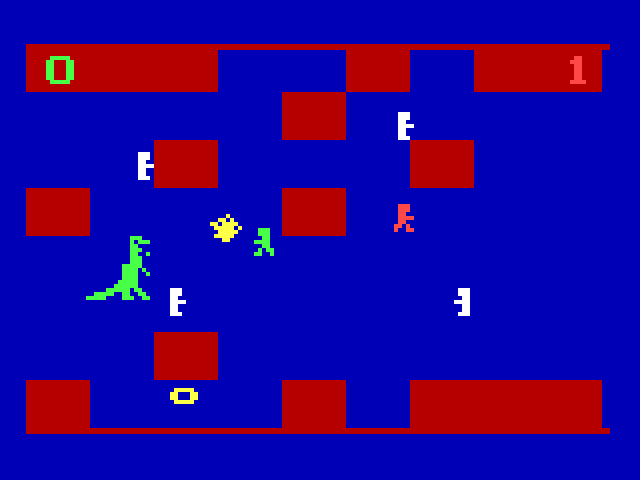
One of the earliest attempts at couch co-op RPG design was Quest for the Rings on the Odyssey² in 1981. It was half board game and half video game, so by modern standards it feels awkward, but it was still an important early attempt to bring tabletop party mechanics into a home console format.

Around the same time, developers were experimenting with how players could divide responsibilities. Swords and Serpents on the Intellivision in 1982 let one player move through the dungeon while another handled combat. It was strange and limited, but it was an early example of cooperative RPG design trying to find its footing.

That same year, Tunnels of Doom on the TI-99/4A pushed things further. It was a turn-based dungeon crawler where players managed a party together. Exploration happened in first-person, and then combat switched into turn-based battles. Only the first player could fully control exploration, so it was still limited, but it showed how cooperative strategy could work inside an RPG structure.
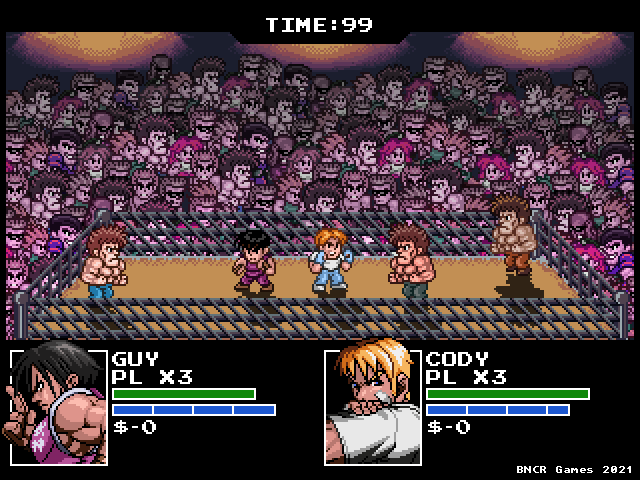
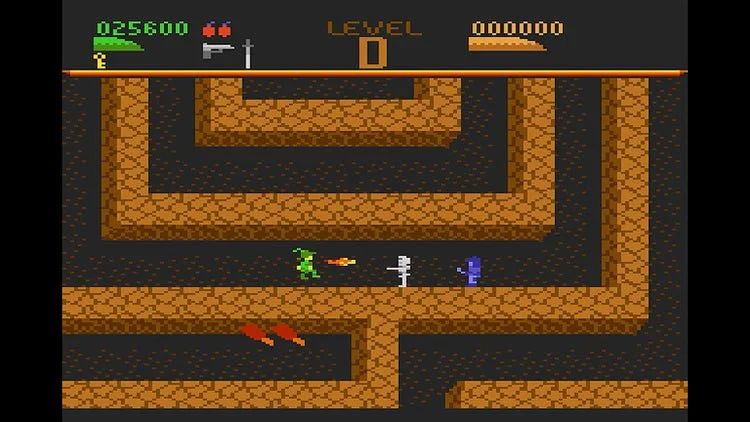
Then in 1983, Dandy arrived. This was one of the most important turning points of the era. It offered real-time dungeon exploration for multiple players and directly influenced later games, especially Gauntlet. Even though Dandy is mostly forgotten now, it helped shape the future of co-op dungeon crawling.


Key games from this era

  • Quest for the Rings – 1981 (Odyssey²) – Early board/video hybrid dungeon crawler for 2+ players.

  • Swords and Serpents – 1982 (Intellivision) – Top-down dungeon crawler with split player responsibilities.

  • Tunnels of Doom – 1982 (TI-99/4A) – Turn-based dungeon crawler with shared party management.

  • Dandy – 1983 (Atari 8-bit) – Direct forerunner to Gauntlet with 2–4 player dungeon exploration.


Mid-80s Dungeon Crawlers – The Gauntlet Era

In 1985, arcades changed everything with Gauntlet.

Like Dandy before it, Gauntlet offered real-time dungeon crawling for multiple players, but it refined the formula and made it iconic. Four players could battle through dungeons together, and each class had its own identity. It felt like a live-action version of tabletop party adventuring, but simplified into something anyone could immediately understand.

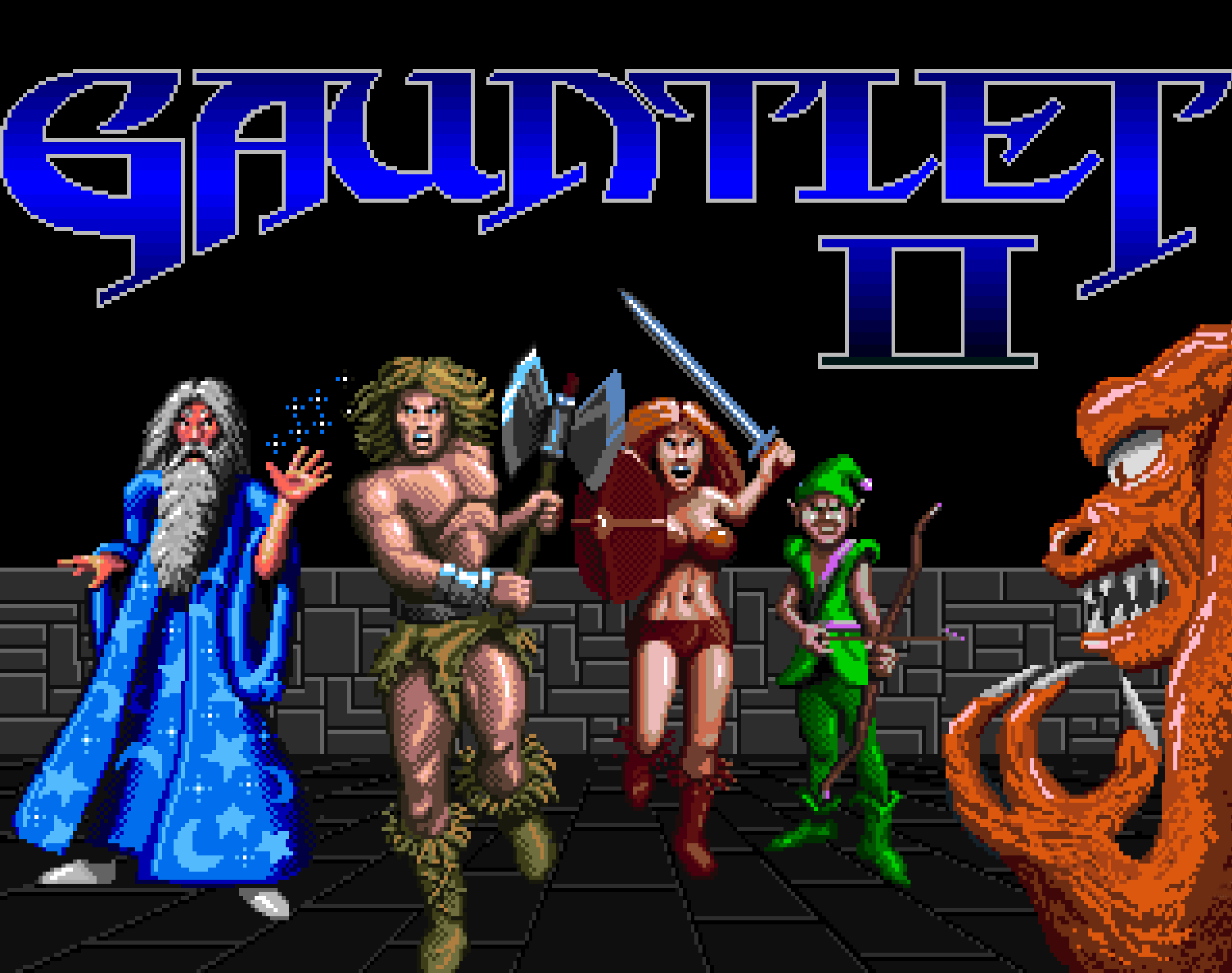
Games like Druid and Gauntlet II expanded on that formula, experimenting with character roles, multiplayer chaos, and the shared dungeon-crawling structure that would influence action RPGs for years.

By this point, cooperative dungeon crawling was not just an experiment anymore. It was a genre.
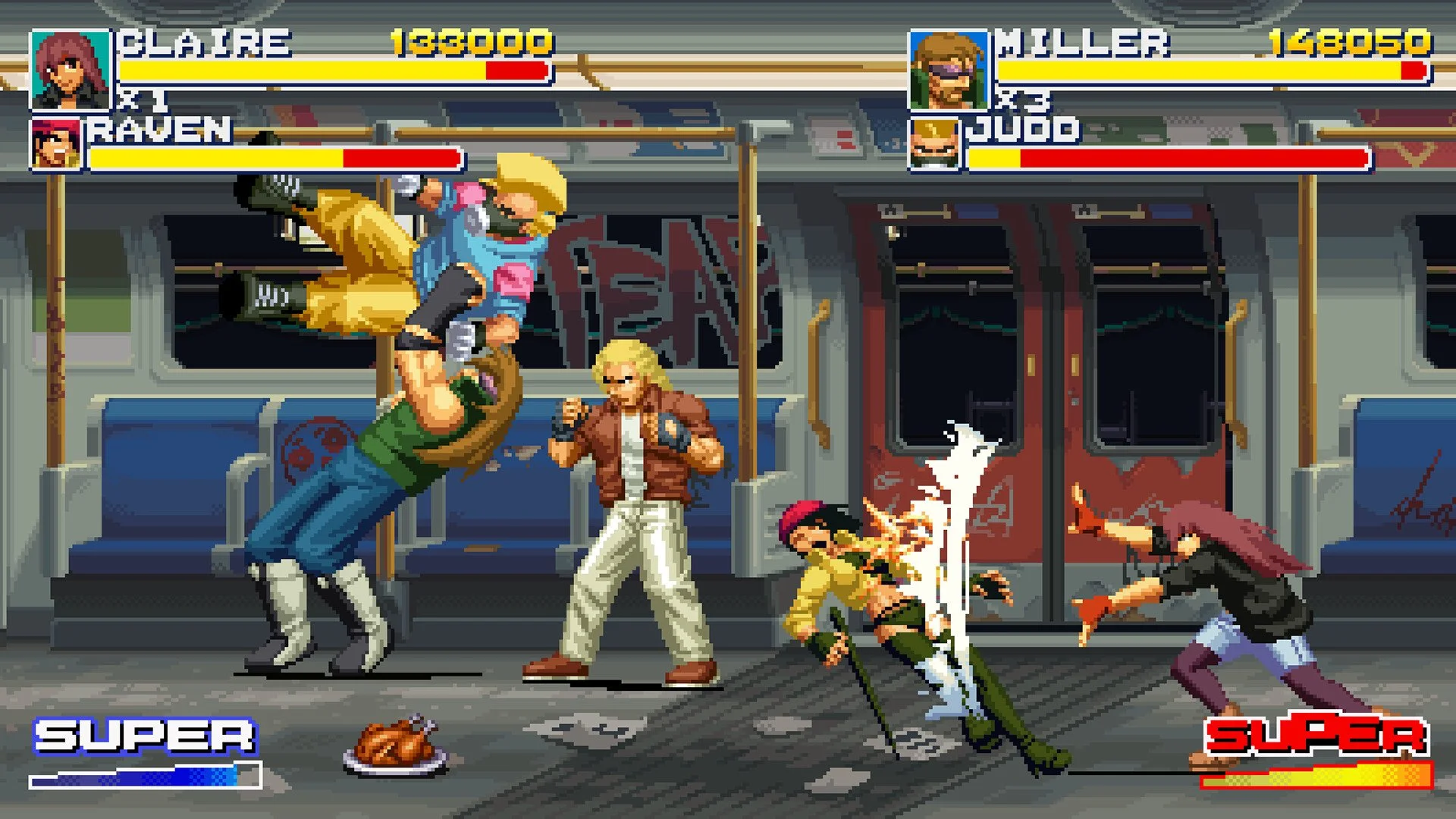
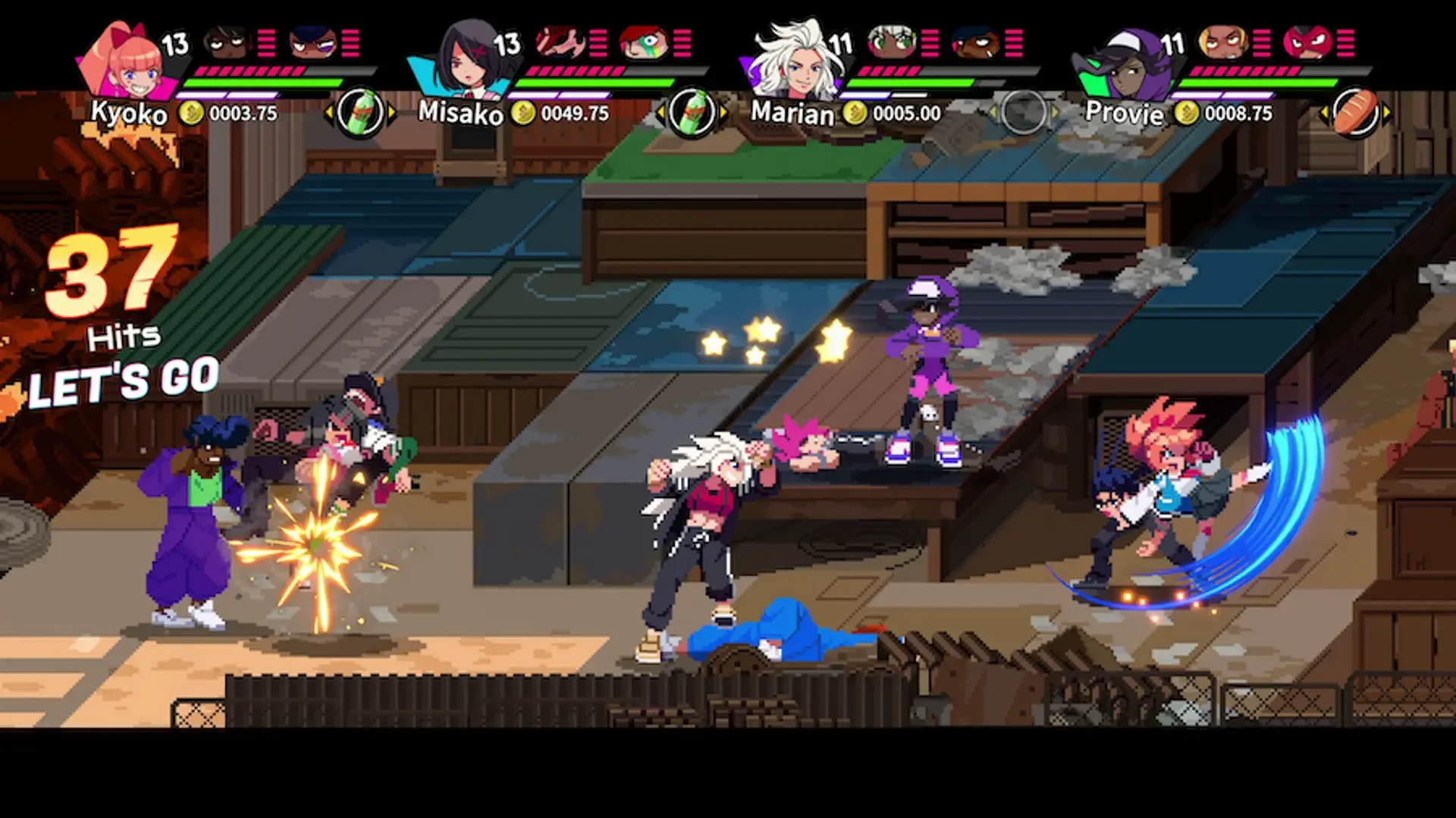
Key games from this era

  • Gauntlet – Oct. 15, 1985 (Arcade) – Legendary four-player hack-and-slash dungeon crawler.

  • Druid – 1986 (C64 / Atari 8-bit) – Two-player action RPG with asymmetrical roles.

  • Gauntlet II – Aug. 1986 (Arcade) – Expanded co-op sequel.


Late 1980s – RPG Mechanics Start Mixing In

By the late 1980s, developers started blending more RPG mechanics into action games.

Dark Chambers was one of the standouts. It felt like a spiritual successor to Dandy, and while the Atari 2600 version is interesting historically, the Atari 7800 version is the one I usually recommend. It is basic, but it is a genuinely solid co-op dungeon crawler.

In arcades, Cadash took RPG elements and applied them to a side-scrolling fantasy action game. It also had some exploration and progression ideas that make it feel surprisingly close to a proto-Metroidvania in some ways.

River City Ransom deserves a special mention here too. On the surface, it looks like a basic beat ’em up, but it has stats, upgrades, shopping, exploration, and learnable abilities. It was way ahead of its time, and it helped define the action RPG hybrid long before that became common.

One of the biggest breakthroughs for home consoles came with Dungeon Explorer on the PC Engine. This was one of the first couch co-op RPGs to support five-player local multiplayer, which is still rare even now. Around the same time, games like Bloodwych and Double Dungeons experimented with split-screen dungeon crawling, trying to bring deeper cooperative RPG experiences into the home.

Key games from this era

  • Dark Chambers – 1989 (Atari 2600 / 7800 / 8-bit) – Gauntlet-style dungeon action.

  • Dungeon Explorer – Nov. 15, 1989 (PC Engine / TurboGrafx-16) – Five-player action RPG.

  • Bloodwych – 1989 (Amiga / Atari ST / DOS) – Split-screen dungeon RPG with two-player co-op.

  • Double Dungeons – 1989 JP / 1990 NA (PC Engine / TurboGrafx-16) – Two-player split-screen first-person dungeon RPG.

  • River City Ransom – Apr. 1989 JP / 1990 NA (Famicom / NES) – Beat ’em up with RPG stats, shopping, and progression.

  • Cadash – Dec. 1989 JP / 1990 NA (Arcade) – Side-scrolling fantasy action RPG with two-player co-op.


Early 1990s – JRPG Ideas Meet Co-Op Design

By the early 1990s, cooperative RPGs were branching out in a lot of interesting directions.

Games like Little Ninja Brothers and Super Ninja Boy mixed top-down JRPG exploration with real-time battle. They played like a weird blend of action RPG and beat ’em up, and after each battle you gained experience and leveled up. These were important because they showed that Japanese-style RPG ideas could work in a cooperative setting too.

Arcus Odyssey on the Genesis pushed more into straightforward action RPG territory. At the same time, Capcom brought more RPG mechanics into arcades with The King of Dragons and Knights of the Round, both of which added leveling systems to side-scrolling co-op brawlers.

Even more traditional JRPGs were starting to test cooperative ideas. Final Fantasy IV included a hidden feature that let a second player control party members during battle. It was limited, but it still mattered. It was an early step toward shared JRPG experiences.

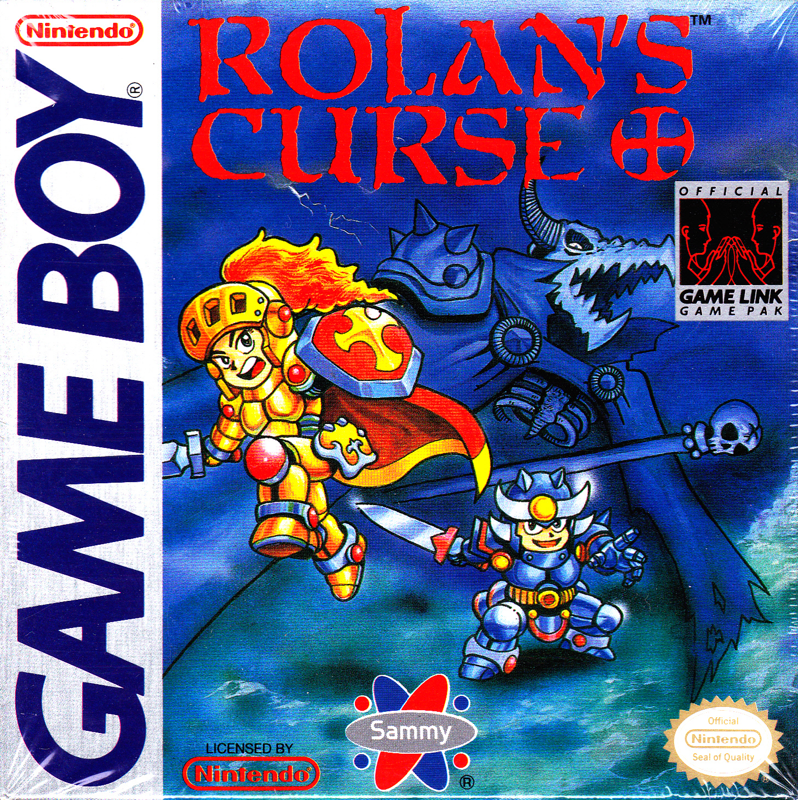
Handhelds got involved too. Ultima: Runes of Virtue and Ultima: Runes of Virtue II offered co-op on Game Boy through link cables, while Rolan’s Curse and Ninja Boy 2 showed that even portable systems could support co-op RPG ideas.

Key games from this era

  • Swords and Serpents – Sept. 1990 (NES) – Four-player dungeon crawler on NES.

  • Little Ninja Brothers – 1990 (NES) – Co-op JRPG with action combat.

  • Rolan’s Curse – 1990 (Game Boy) – Two-player link-cable fantasy RPG.

  • 100 World Story – 1991 (Famicom) – Board-game-style RPG with multiplayer.

  • Arcus Odyssey – Jun. 14, 1991 (Mega Drive / SNES) – Two-player isometric fantasy action RPG.

  • The King of Dragons – Aug. 5, 1991 (Arcade) – Three-player fantasy brawler with leveling.

  • Knights of the Round – Nov. 27, 1991 (Arcade) – Three-player beat ’em up with RPG mechanics.

  • Ultima: Runes of Virtue – 1991 JP / 1992 NA (Game Boy) – Handheld co-op Ultima.

  • Final Fantasy IV – 1991 (SNES) – Second player can control party members in battle.

  • Bill & Ted’s Excellent Video Game Adventure – Apr. 1991 (Atari Lynx) – Adventure-RPG on handheld.

  • Super Ninja Boy – 1991 JP / 1993 NA (SNES) – Two-player action RPG.

  • Gauntlet III: The Final Quest – 1991 (Amiga / ST) – Four-player entry in the Gauntlet lineage.


Early–Mid 1990s Growth – The Mana Revolution

If Gauntlet defined arcade co-op dungeon crawling, then Secret of Mana defined couch co-op action JRPGs.

Released in 1993, it let up to three players control party members in real time. That was a huge deal. It turned a genre that was mostly treated as solo into a shared adventure in a large, colorful world. At the time, it felt like one of the biggest and most ambitious co-op RPGs ever made.

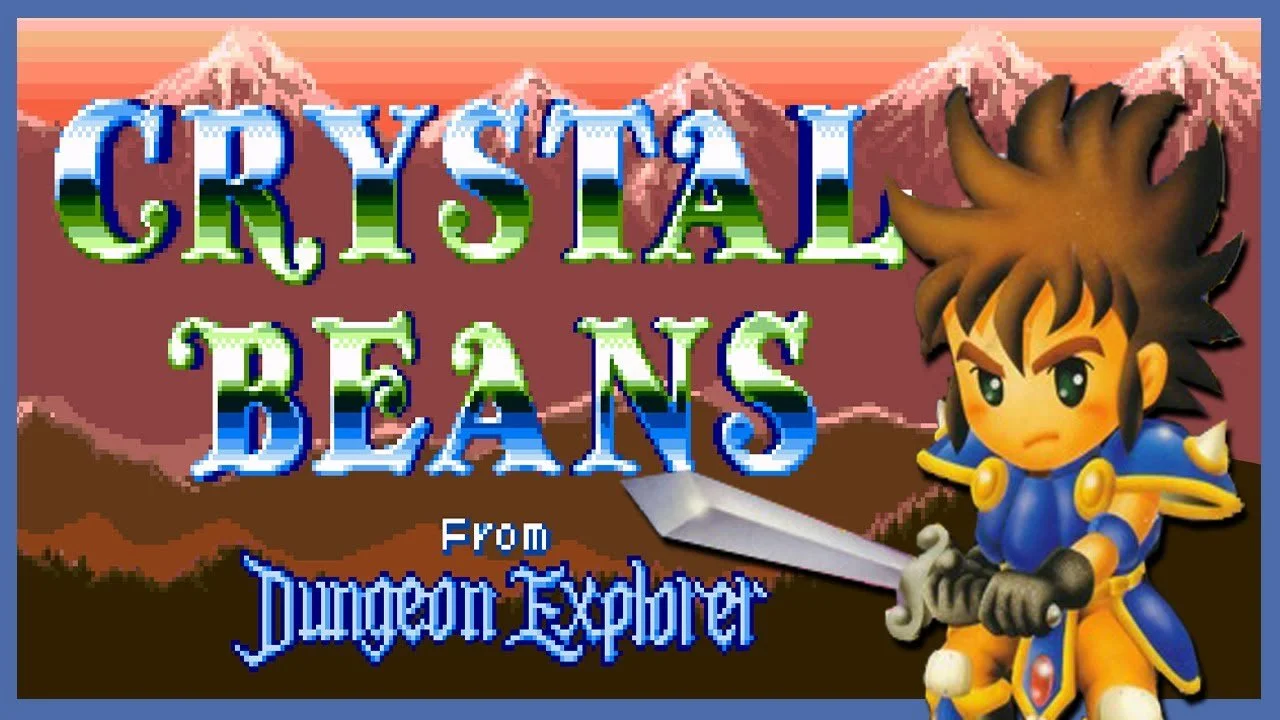
Around the same time, there was a wave of cooperative RPG experimentation, especially in Japan. Games like Super Chinese World 2, Ganbare Goemon 3, Ruin Arm, Kenyuu Densetsu Yaiba, and Crystal Beans: From Dungeon Explorer all pushed the genre in slightly different directions.

Then there was Seiken Densetsu 3, the sequel to Secret of Mana. It improved on the original in a lot of ways, even though it was only two-player instead of three. It is still one of the most important cooperative action RPGs of its era.

Arcades kept pushing things too. Dungeons & Dragons: Tower of Doom and Shadow over Mystara combined beat ’em up gameplay with branching paths, classes, loot, and light role-playing systems years before modern ARPGs made that formula mainstream.

This was also a period where co-op RPG design spread into other genres. Guardian Heroes and Front Mission: Gun Hazard showed that the idea could work in brawlers, mech games, and other hybrids too.


Key games from this era

  • Ninja Boy 2 – 1993 (Game Boy) – Co-op action RPG.

  • Ultima: Runes of Virtue II – 1993 (Game Boy) – Expanded co-op sequel.

  • Hired Guns – 1993 (Amiga / DOS) – Four-player split-screen sci-fi dungeon crawler.

  • CMWC – 1993 (PC Engine CD, JP) – Two-player RPG with anime presentation.

  • Gauntlet IV – 1993 (Genesis / Mega Drive) – Four-player quest-based Gauntlet update.

  • Secret of Mana – Aug. 6, 1993 (SNES) – Three-player action JRPG.

  • Super Chinese World 2 – 1993 (Super Famicom) – Two-player action RPG sequel.

  • Ganbare Goemon 3 – Dec. 16, 1994 (Super Famicom, JP) – Action-RPG / platformer hybrid.

  • Ruin Arm – 1994 (Super Famicom, JP) – Two-player co-op action RPG.

  • Kenyuu Densetsu Yaiba – 1994 (Super Famicom, JP) – Two-player action RPG.

  • Crystal Beans: From Dungeon Explorer – 1995 (Super Famicom, JP) – Three player co-op dungeon crawler.

  • Super Chinese World 3 – 1995 (Super Famicom, JP) – Two-player action RPG.

  • Seiken Densetsu 3 / Trials of Mana – Sept. 30, 1995 (Super Famicom, JP) – Two player co-op action RPG.

  • Dungeons & Dragons: Tower of Doom – Jan. 1994 (Arcade) – Four-player D&D brawler with RPG systems.

  • Dungeons & Dragons: Shadow over Mystara – Feb. 1996 (Arcade) – Expanded four-player sequel.

  • Front Mission: Gun Hazard – Feb. 23, 1996 (Super Famicom, JP) – Two-player mech action RPG. Can be unlocked with cheat code.

  • Guardian Heroes – Jan. 26, 1996 (Saturn, JP) – Two-player story co-op brawler RPG.

  • Legend of Oasis – Apr. 1996 JP / 1997 NA (Saturn) – Single-player, but often mentioned in this era of action RPG experimentation.


Late 1990s – The Bridge to Modern ARPGs

By the late 1990s, co-op RPGs were evolving fast.

Tales of Destiny introduced multiplayer participation during JRPG combat. Legend of Mana let a second player control a companion. These were not full couch co-op RPGs in the modern sense, but they were important steps in the genre’s evolution.

One of the biggest moments of the era was the PlayStation port of Diablo. Up until then, Diablo was mostly seen as a PC game with online multiplayer. The PlayStation version was a huge deal because it added local co-op. That helped bring dark, loot-driven action RPG gameplay into the living room, and that influence would be felt for decades.

At the same time, Gauntlet Legends pushed the dungeon crawler formula into 3D, while Blaze & Blade explored larger cooperative worlds. This era really set the stage for the explosion that would come in the 2000s.

Key games from this era

  • Ungra Walker – 1997 (PC, JP) – Obscure co-op dungeon crawler.

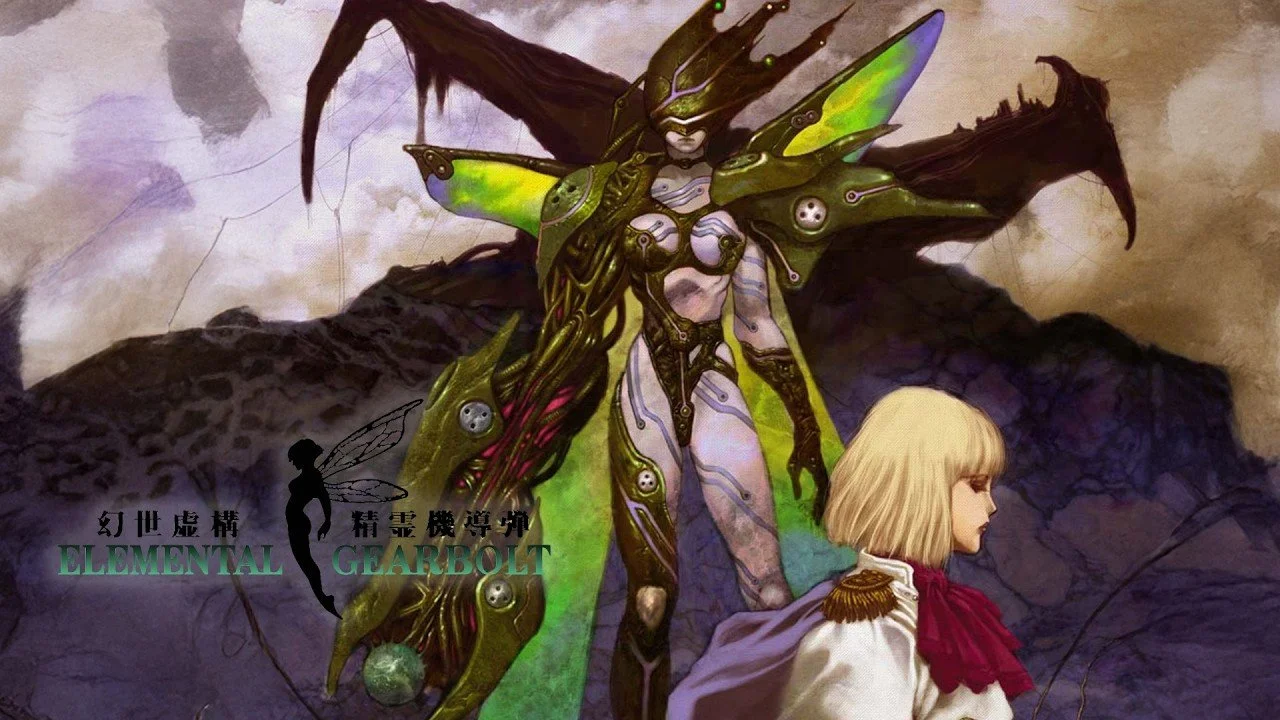
  • Elemental Gearbolt – 1997 JP / 1998 NA (PS1) – Light gun shooter with RPG and co-op elements.

  • Magicoal – 1997 (Saturn, JP) – Two-player anime-styled fantasy ARPG.

  • Tales of Destiny – Dec. 23, 1997 (PS1, JP) – Up to four-player co-op in combat.

  • Diablo – Mar. 25, 1998 (PlayStation) – Two-player local co-op port.

  • Gauntlet Legends – Oct. 1998 (Arcade; N64 in 1999) – Four-player 3D dungeon crawler.

  • Blaze & Blade: Eternal Quest – Dec. 1998 JP / 1999 EU (PS1) – Four-player action RPG.

  • Legend of Mana – Jul. 15, 1999 (PS1, JP) – Two-player co-op with companion control.

  • Tales of Destiny II / Eternia – Nov. 30, 2000 (PS1, JP) – Up to four-player co-op in combat.


2000s – The Co-Op Renaissance

The early 2000s were a golden age for couch co-op RPGs.

Baldur’s Gate: Dark Alliance helped bring the Diablo formula into living rooms in a polished, accessible way, and once that happened the floodgates opened.

This era gave us Hunter: The Reckoning, Champions of Norrath, Dungeons & Dragons: Heroes, X-Men Legends, and a bunch of other games that leaned heavily into teamwork, shared progression, class synergy, and drop-in multiplayer.

Final Fantasy Crystal Chronicles deserves special mention too. It was one of the most unique co-op RPGs of the era, but also one of the most inconvenient. Needing Game Boy Advances and link cables for multiplayer made it a pain to set up, but it was still a memorable and important experiment.

Then in 2009, Borderlands arrived and proved that cooperative RPG design could work far outside traditional fantasy dungeon crawling. It combined loot progression, character builds, and split-screen co-op with a first-person shooter structure, and that opened the door for a different kind of action RPG.

Key games from this era

  • Gauntlet Dark Legacy – 2000 (Arcade; consoles 2001–02) – Expanded four-player sequel.

  • Baldur’s Gate: Dark Alliance – Dec. 4, 2001 (PS2) – Two-player hack-and-slash RPG.

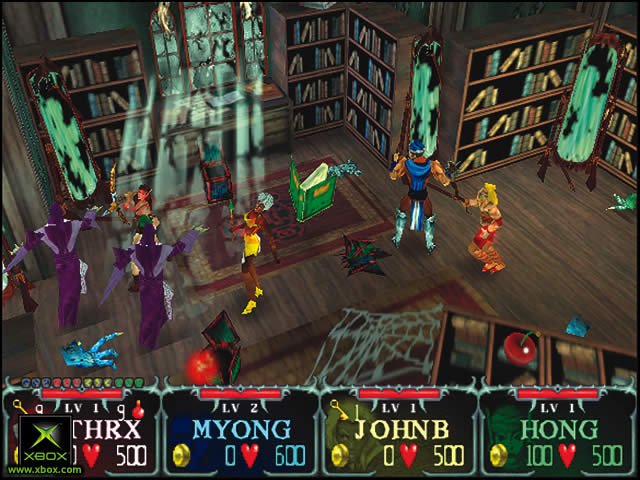
  • Hunter: The Reckoning – May 21, 2002 (Xbox) – Four-player gothic horror ARPG.

  • Final Fantasy: Crystal Chronicles – Aug. 8, 2003 (GameCube) – Four-player co-op via GBA link.

  • Hunter: Wayward – Sept. 9, 2003 (PS2) – Two-player sequel.

  • Hunter: Redeemer – Oct. 28, 2003 (Xbox) – Four-player sequel.

  • Dungeons & Dragons: Heroes – Sept. 17, 2003 (Xbox) – Four-player hack-and-slash.

  • Fallout: Brotherhood of Steel – Jan. 14, 2004 (PS2 / Xbox) – Two-player action RPG spinoff.

  • Baldur’s Gate: Dark Alliance II – Jan. 20, 2004 (PS2) – Two-player sequel.

  • Champions of Norrath – Feb. 10, 2004 (PS2) – Four-player ARPG.

  • Shining Tears – Nov. 3, 2004 (PS2, JP) – Two-player ARPG.

  • Champions: Return to Arms – Feb. 7, 2005 (PS2) – Four-player sequel.

  • X-Men Legends – Sept. 21, 2004 (PS2 / Xbox / GC) – Four-player Marvel action RPG.

  • X-Men Legends II – Sept. 20, 2005 (PS2 / Xbox / GC / PC) – Expanded four-player sequel.

  • Justice League Heroes – Oct. 17, 2006 (PS2 / Xbox) – Two-player DC hero ARPG.

  • Marvel: Ultimate Alliance – Oct. 24, 2006 (PS2 / Xbox / GC) – Four-player Marvel RPG.

  • Marvel: Ultimate Alliance 2 – Sept. 15, 2009 (Consoles) – Four-player sequel.

  • Sacred 2: Fallen Angel – Oct. 2008 PC / 2009 consoles – Two-player local split-screen.

  • Castle Crashers – Aug. 27, 2008 (XBLA) – Four-player fantasy beat ’em up RPG hybrid.

  • Fable II – Oct. 21, 2008 (Xbox 360) – Two-player action RPG.

  • Borderlands – Oct. 20, 2009 (PS3 / 360) – Two-player split-screen loot RPG.

  • Fable III – Oct. 26, 2010 (Xbox 360) – Two-player co-op with both players’ heroes.


2010s – Indie Creativity and ARPG Evolution

From 2010 onward, couch co-op RPGs started splitting into two paths.

On one side, there were bigger AAA action RPGs. On the other, there were smaller but much more experimental indie games.

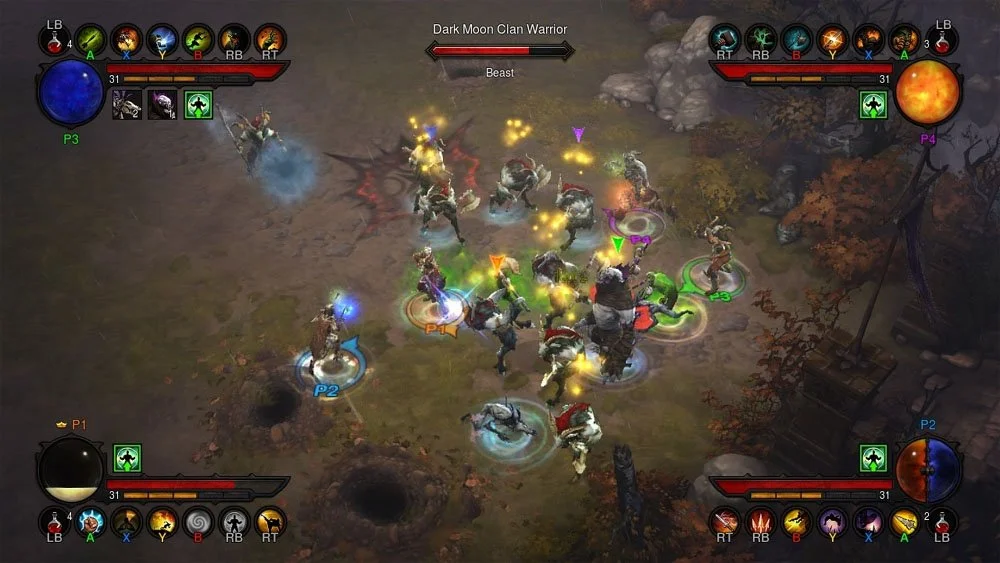
Diablo III became one of the best examples of local multiplayer ARPG design on consoles, allowing up to four players on one screen and making the formula much easier to enjoy together.

Games like Magicka went in a different direction, focusing heavily on teamwork and chaotic spellcasting. Other notable releases from this era included Dragon’s Crown, Moon Hunters, Wizard of Legend, Outward, Children of Morta, Streets of Rogue, and Cat Quest II.

These games experimented with roguelike progression, storytelling, myth-building, cooperative decision-making, and very different takes on action RPG combat. The genre was no longer dominated by one formula. It was branching out in creative ways.

Key games from this era

  • Dungeon Siege III – Jun. 17, 2011 (PS3 / 360) – Two-player local co-op.

  • Hunted: The Demon’s Forge – May 31, 2011 (PS3 / 360) – Two-player fantasy ARPG.

  • Magicka – Jan. 25, 2011 (PC) – Four-player same-screen spellcasting ARPG.

  • Diablo III – May 15, 2012 PC / Sept. 3, 2013 consoles – Four-player local ARPG.

  • Borderlands 2 – Sept. 18, 2012 (PS3 / 360) – Two-player split-screen.

  • Dragon’s Crown – Jul. 25, 2013 (PS3 / Vita) – Four-player fantasy brawler RPG.

  • Borderlands: The Pre-Sequel – Oct. 14, 2014 – Two-player local.

  • Magicka 2 – May 26, 2015 (PS4 / PC) – Four-player spellcasting ARPG.

  • Helldivers – Mar. 3, 2015 (PS4) – Four-player same-screen action game with RPG progression.

  • Enter the Gungeon – Apr. 5, 2016 – Two-player co-op dungeon action with RPG progression.

  • Moon Hunters – Mar. 10, 2016 – Four-player myth-building RPG.

  • Dungeon Defenders II – Jun. 20, 2017 – Two-player local tower defense ARPG.

  • Wizard of Legend – May 15, 2018 – Two-player fast-paced ARPG.

  • Outward – Mar. 26, 2019 – Two-player open-world survival RPG.

  • Marvel: Ultimate Alliance 3 – Jul. 19, 2019 (Switch) – Four-player Marvel RPG.

  • Borderlands 3 – Sept. 13, 2019 – Two-player split-screen.

  • Children of Morta – Sept. 3, 2019 – Two-player roguelike RPG.

  • Streets of Rogue – Jul. 12, 2019 – Four-player RPG roguelite.

  • Cat Quest II – Sept. 19, 2019 – Two-player action RPG.


2020s – The Current State of Couch Co-Op RPGs

Today, couch co-op RPGs are in a strange but exciting place.

There are still occasional big-budget releases with local co-op support, but a lot of the most interesting ideas are coming from smaller games.

At the AAA level, Diablo IV, Baldur’s Gate 3, and Borderlands 4 show that shared RPG experiences still matter. These are big, fully realized games that let players experience long-form progression together on the same couch.

At the indie level, there are games like Nobody Saves the World, Cassette Beasts, Trinity Trigger, Haven continuing to experiment with cooperative storytelling and progression in creative ways.

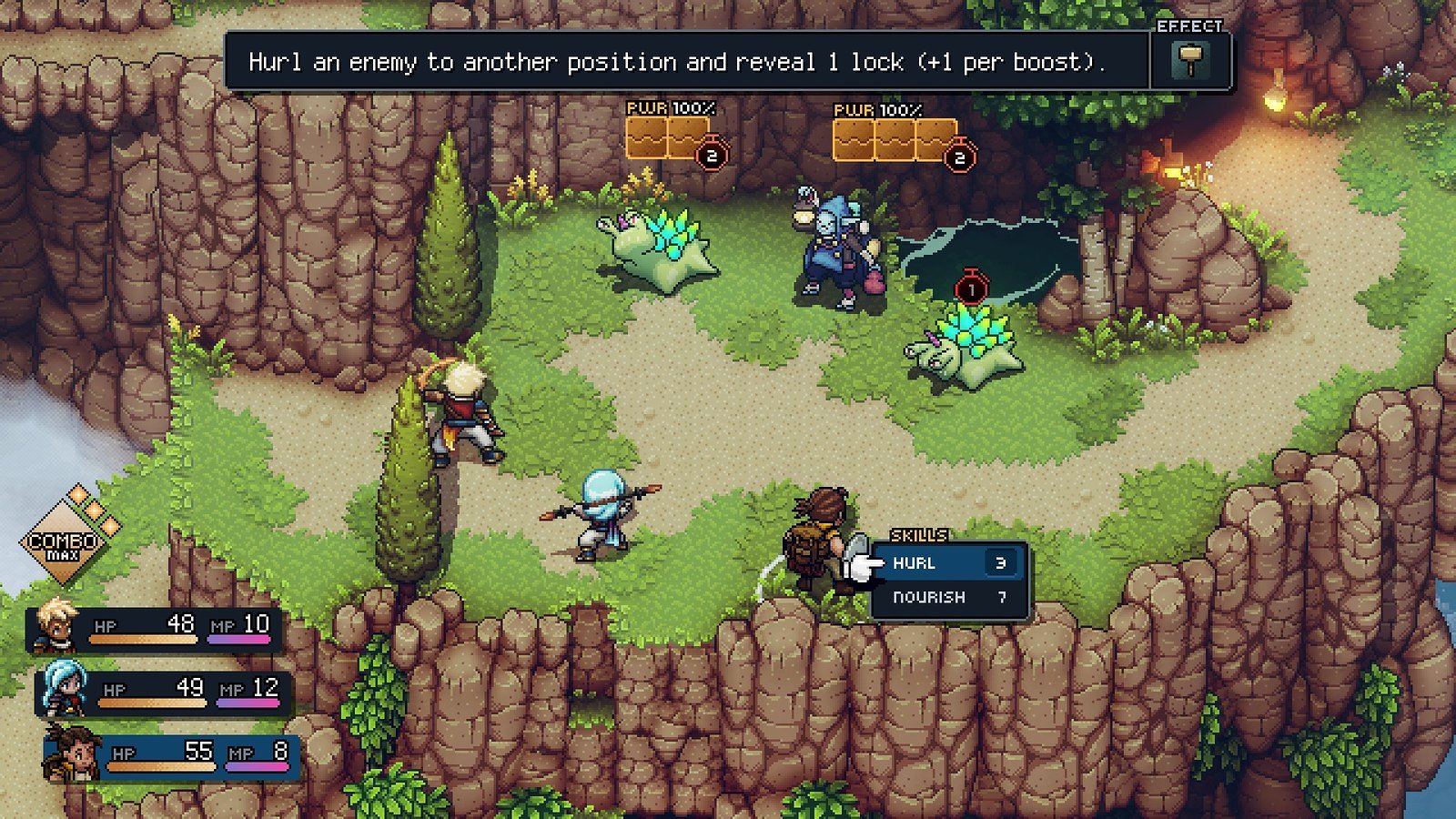
In my opinion, Sea of Stars is one of the best couch co-op RPGs ever made. It has beautiful pixel art, turn-based combat with real-time elements, and it feels like a mix between Chrono Trigger and Super Mario RPG. The fact that you can play that kind of game in local co-op is a huge deal.

So even though couch co-op RPGs have never really been the main focus of the genre, they have always existed in some form. From tabletop games to PLATO, from Gauntlet to Secret of Mana, from Dark Alliance to Diablo III and Baldur’s Gate 3, the idea has survived across decades.

Because at its core, RPGs have always been about sharing an adventure.

Key games from this era

  • Minecraft Dungeons – May 26, 2020 – Four-player ARPG dungeon crawler.

  • Haven – Dec. 3, 2020 – Two-player story-driven ARPG.

  • Nobody Saves the World – Jan. 18, 2022 – Two-player co-op ARPG.

  • Tiny Tina’s Wonderlands – Mar. 25, 2022 – Two-player local split-screen.

  • Trinity Trigger – Apr. 25, 2023 – Three-player retro-inspired action RPG.

  • Cassette Beasts – Apr. 26, 2023 – Two-player monster-fusion RPG.

  • Diablo IV – Jun. 5, 2023 – Two-player local ARPG.

  • Baldur’s Gate 3 – Sept. 6, 2023 (PS5) – Two-player split-screen CRPG.

  • Sea of Stars – Aug. 29, 2023 – Retro JRPG with local co-op support.

  • Borderlands 4 – Upcoming – Major AAA continuation of split-screen loot RPG design.


Final Thoughts

Even though couch co-op RPGs will probably never be the main focus for most players, I am okay with that.

Some of the best gaming memories I have ever had came from sharing RPGs with friends growing up, with friends now, and even with my daughter. There is just something special about exploring a fully realized world with someone else in the same room.

That is true whether the game is a massive AAA release or a tiny indie experiment.

As long as couch co-op RPGs keep existing in any form, I will keep playing them.

Scott Pilgrim EX – A Much Better Sequel

Players: 1–4 Local
Genre: Beat ’em Up / Action RPG
Platforms: Modern consoles and PC
Co-op: 4-Player Local

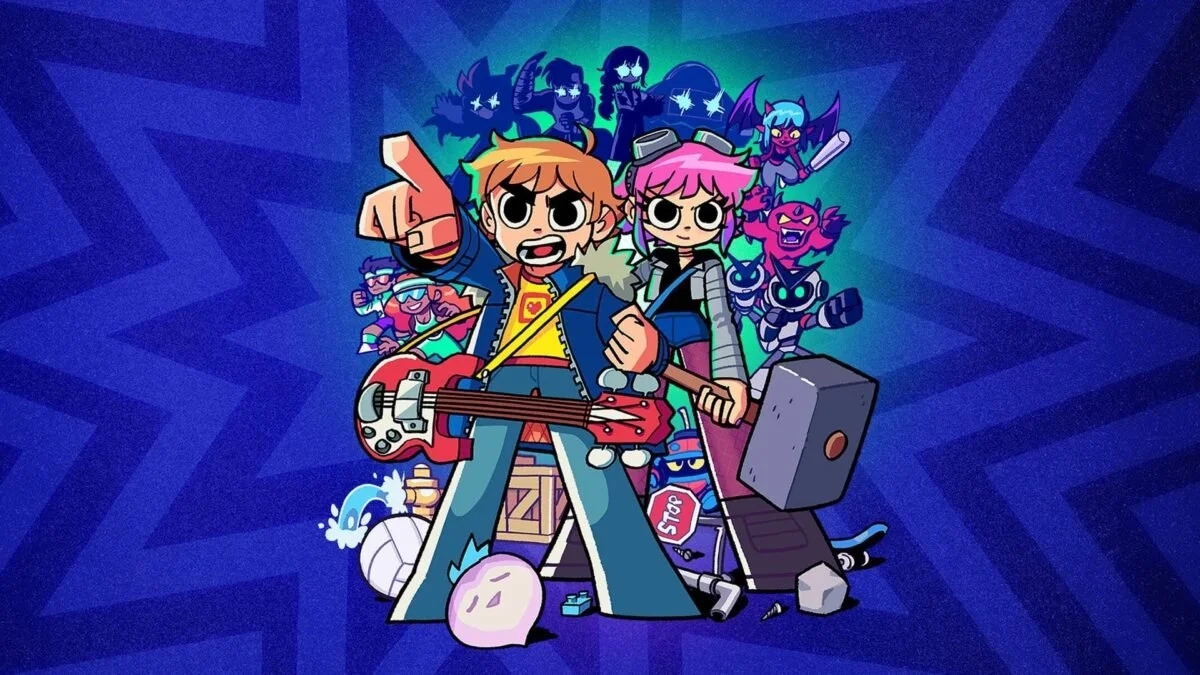
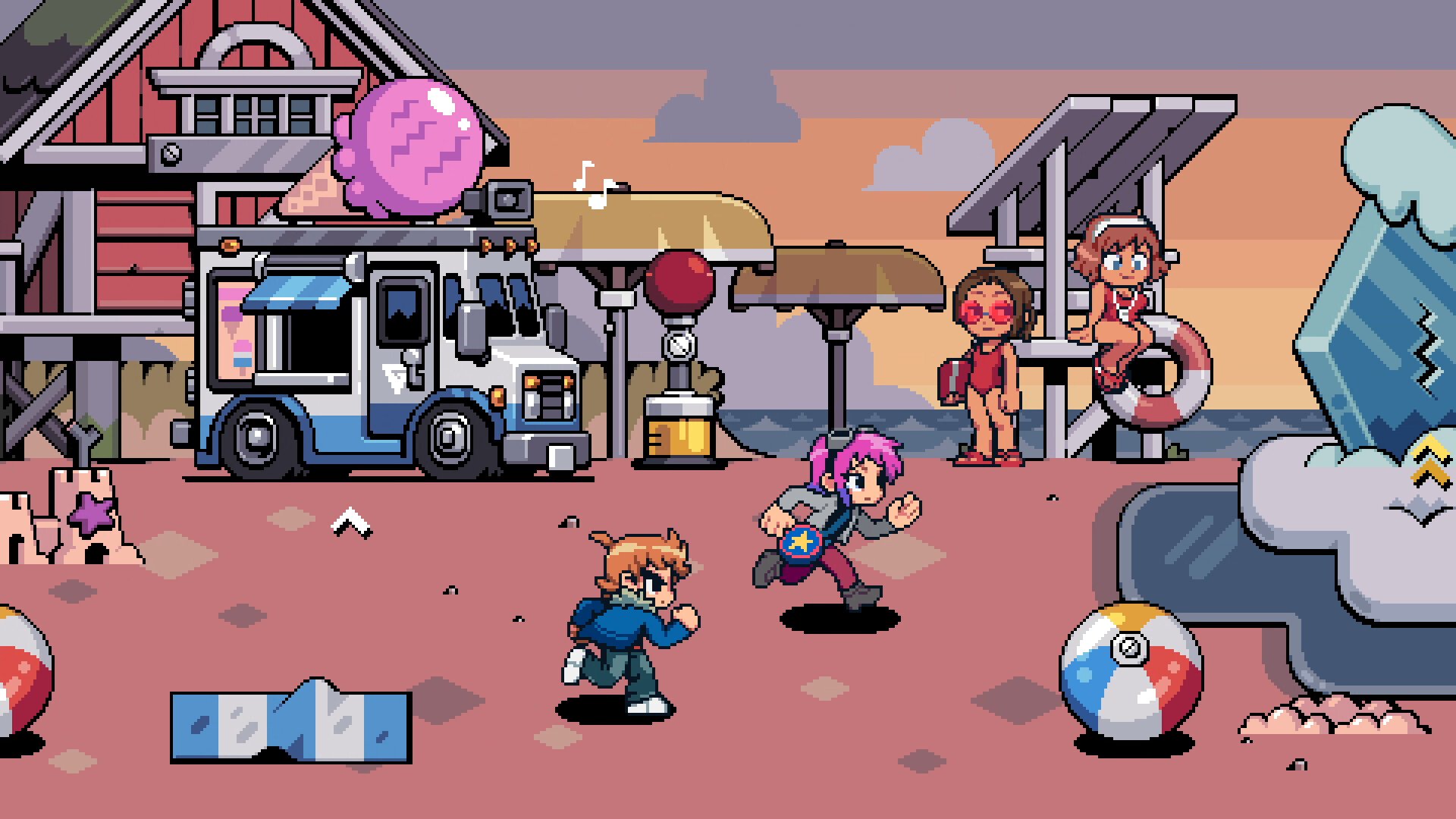
Scott Pilgrim EX recently released as a sequel to Scott Pilgrim vs. The World: The Game, which originally launched on Xbox 360 and PlayStation 3. Like the original, it’s a four-player beat ’em up with RPG elements, but after spending time with the sequel, I think it’s a clear improvement over the first game in several important ways.

A Better Evolution of the Original

When the original Scott Pilgrim game came out, it was easy to love. At the time, we weren’t seeing many new beat ’em ups outside of games like Castle Crashers. The genre was pretty quiet, so having a new four-player brawler felt exciting.

The game was eventually delisted for years, which made it harder to revisit. Because of that, I think I built it up in my head to be better than it actually was. When I went back to replay it, the original started to feel a little clunky.

One of the biggest issues was the hit detection. You had to be perfectly lined up with enemies to land attacks, which often made combat feel awkward. The progression also felt artificially slow. You had to stop frequently to grind for money and upgrades before moving on, which padded out the length of the game.


Progression That Feels Natural

Scott Pilgrim EX improves on those issues right away. The progression feels much more natural this time around.

Instead of stopping to grind constantly, you level up naturally as you move through the game. While playing through the stages, you earn health upgrades, money, and experience that gradually strengthen your character. When you return to shops, you can purchase upgrades without needing to halt the game just to farm resources.

That change alone makes the pacing feel much smoother.

The combat also feels more solid overall. Each character has a different set of moves, and there’s a good amount of variety between them. You also collect badges throughout the game, which act as special abilities. Some badges trigger powerful screen-clearing attacks, while others provide support abilities.

One badge we found especially useful summons a band that plays music and heals everyone nearby. In a four-player session, that ability can save a run when the group starts getting overwhelmed.


A Four-Player Beat ’em Up Done Right

The game supports four-player local co-op, which is clearly the best way to experience it. I played through the entire game with three friends in the same room, and we finished it in about four hours.

That length felt just about right for a beat ’em up like this. The pacing stays consistent, and the difficulty never becomes frustrating. Most encounters feel fair, and the boss fights stand out as some of the highlights of the game. Each boss has unique mechanics and personality, which helps keep the experience interesting.

Playing through the whole game in a single sitting with friends is exactly the kind of experience that couch co-op games are meant to deliver.


The Main Downside: Backtracking

My biggest complaint with Scott Pilgrim EX is the amount of backtracking.

Throughout the game, you frequently travel to one side of the map, complete a task, and then return to the opposite side. This happens repeatedly across several sections of the game.

I would have preferred if the game handled its exploration differently. Instead of revisiting the same areas over and over, it would have been better if new objectives simply opened new parts of the map. That way, each section would feel like a fresh area to explore.

Because the game keeps sending you back through the same locations, parts of the experience start to feel repetitive after a while.


Final Thoughts

Despite the backtracking, Scott Pilgrim EX is still a big improvement over the original game.

The combat feels smoother, progression is handled much better, and the variety of abilities and characters adds more depth to the experience. Most importantly, it works extremely well as a four-player couch co-op game.

Finishing the entire campaign in one sitting with friends was incredibly satisfying, and that kind of experience is exactly why games like this are still worth making.

If you enjoyed the original Scott Pilgrim vs. The World: The Game or you’re just looking for a solid modern beat ’em up to play with friends, Scott Pilgrim EX is definitely worth checking out.

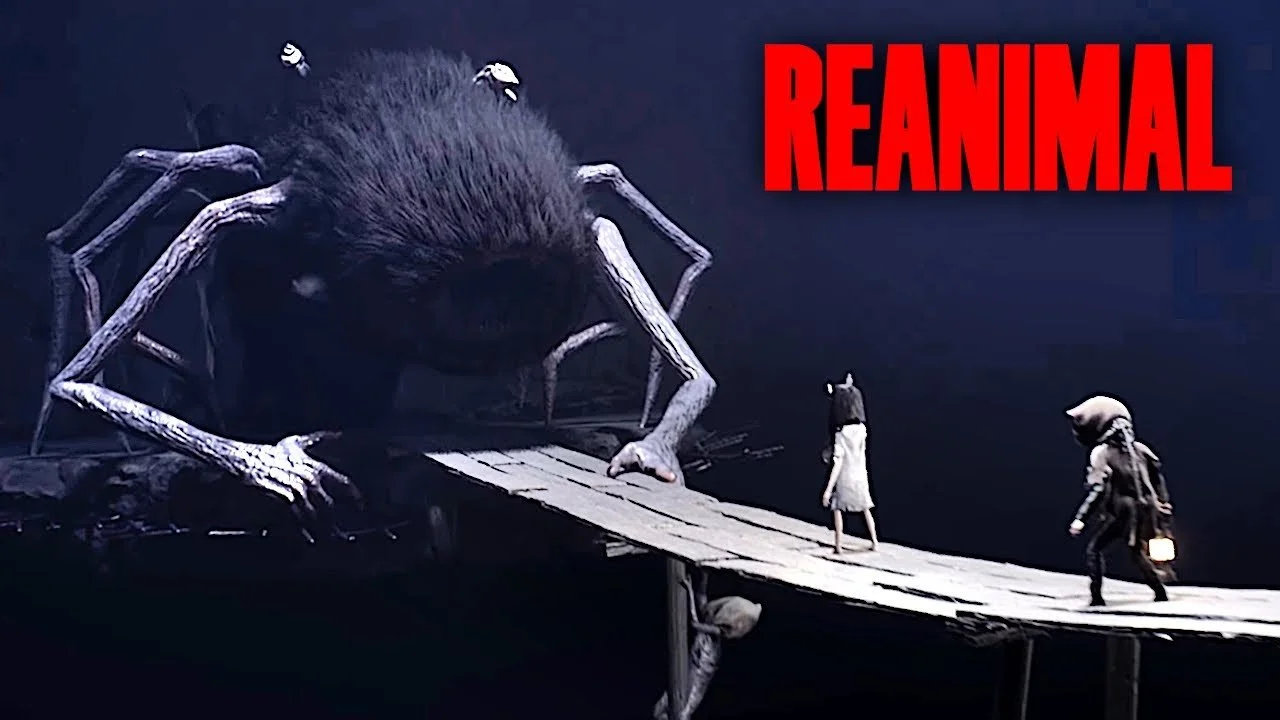
ReAnimal Co-op Review – A Rare Couch Co-op Horror Art Game

Players: 2 Players (Couch Co-op)

Genre: Puzzle Platformer / Horror / Atmospheric Adventure

Estimated Playtime: 4–6 Hours

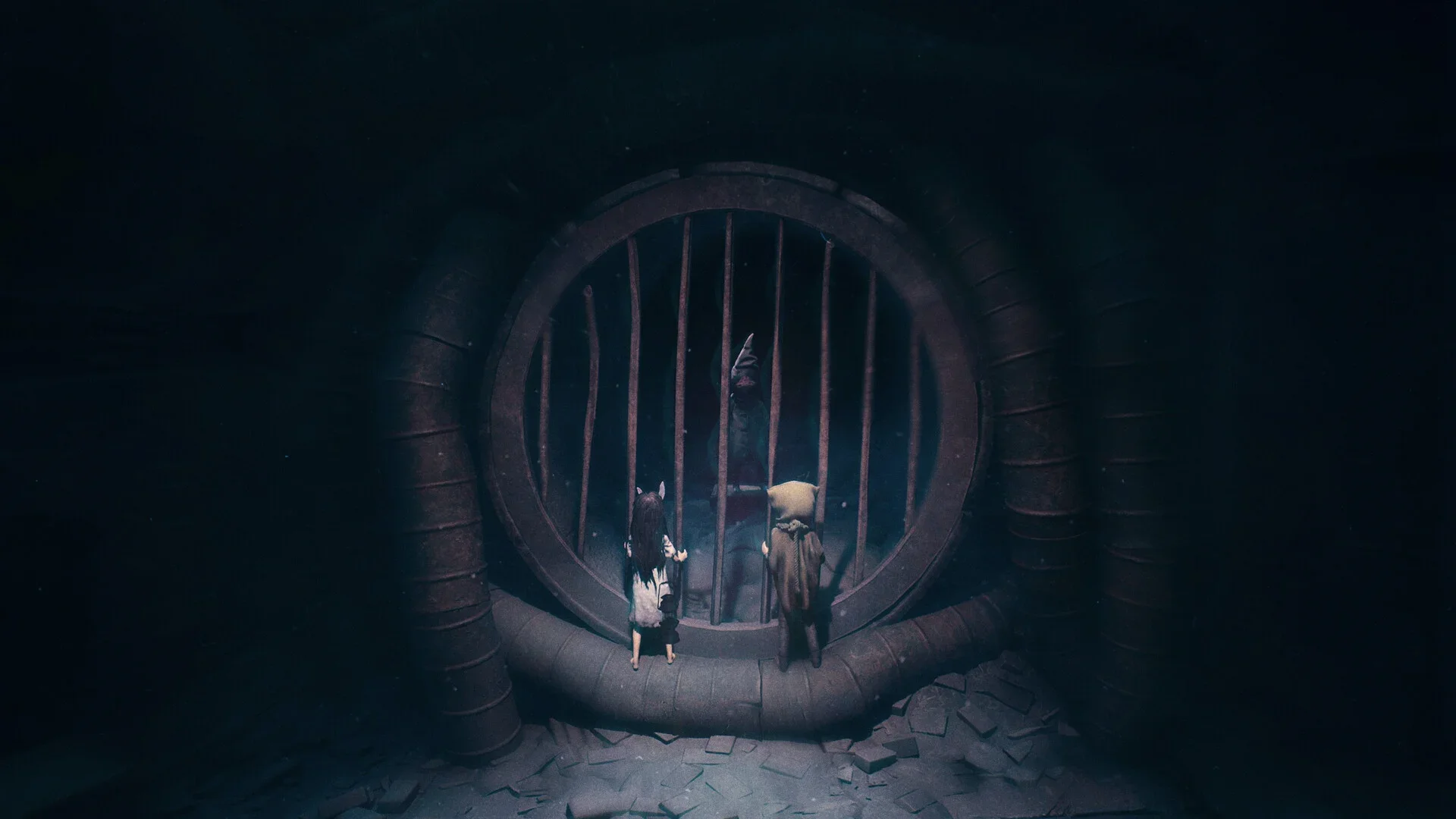
Reanimal is a rare kind of game. It combines atmospheric storytelling, unsettling horror elements, and couch co-op gameplay in a way that you just don’t see very often.

For fans of artistic games that focus on mood and interpretation rather than traditional storytelling, ReAnimal fits squarely into what I personally consider an art game.


What Makes an Art Game?

I’ve always been a fan of art games, and I’ve always loved the conversation around them—what exactly defines an art game.

To me, the definition is pretty simple. An art game is usually something that tells a story in a unique or unconventional way. Often there’s little to no dialogue, and the story is communicated through atmosphere, visuals, and interpretation.

Another common trait is that the story is usually mysterious and open to interpretation, leaving players with unanswered questions.

Some of my favorite examples of this style include:

  • Shadow of the Colossus

  • Journey

  • GRIS

  • Limbo

  • Inside

  • And another obvious comparison would be Little Nightmares.

    To me, ReAnimal checks all of those boxes.


A Story Told Through Atmosphere

ReAnimal contains very little spoken dialogue. What dialogue does exist is mostly between the two children you control, and early on it becomes clear that they’re trying to escape something dark.

But you never fully understand what’s going on.

Even by the end of the game, the story remains somewhat ambiguous. You’re left with questions, and the game doesn’t spell everything out for you.

Personally, I love that approach. I enjoy games that leave room for interpretation and encourage players to come up with their own theories about what’s happening.

ReAnimal does a great job building that mystery throughout the entire experience.


A Constantly Creepy Atmosphere

The horror elements in ReAnimal aren’t just about enemies—it’s about the entire atmosphere of the game.

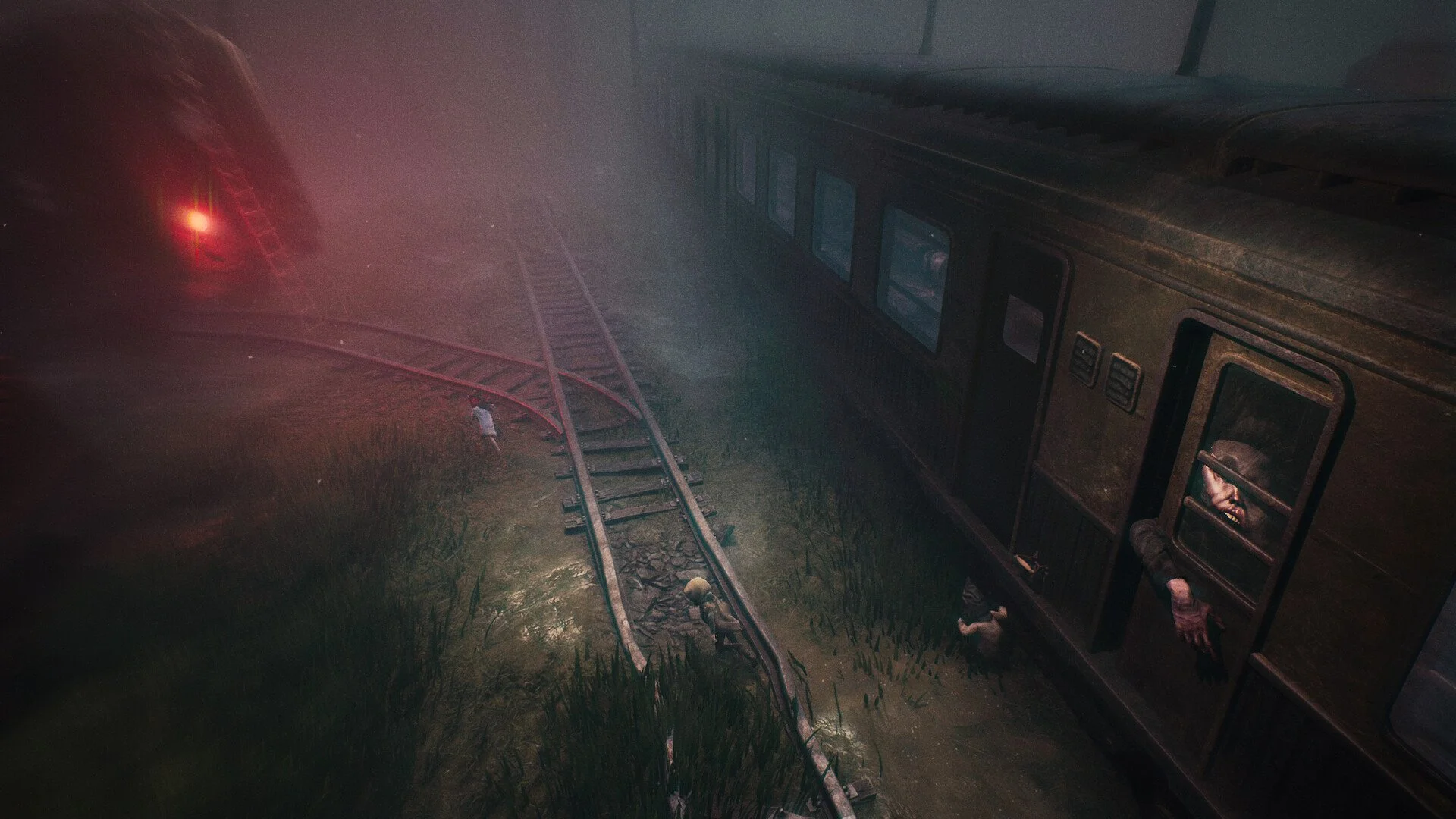
The environments themselves feel unsettling. Most areas are dark, dimly lit, and filled with disturbing imagery. The sound design also plays a huge role in creating that uneasy feeling as you move through the world.

Everything about the presentation contributes to the game’s creepy tone.

And then there are the enemies.

One of the most memorable enemies are the skin suit creatures that crawl around the environment. Early in the game you encounter a disturbing figure wearing an ill-fitting skin suit who stalks you and tries to bite your head off. What makes it even creepier is that he can seemingly transport himself through other skin suit bodies, appearing in different places as he chases you.

Later in the game you encounter even larger monsters, including:

  • A giant spider creature

  • A massive bird monster

  • A horse-like creature in the water

  • And at the end of the game there’s the unsettling sheep creature, which serves as one of the game’s most memorable encounters.

I won’t get too deep into the story behind these moments since the narrative is intentionally vague, but each encounter adds to the game’s disturbing atmosphere.


A Rare Couch Co-op Horror Experience

One of the things that stood out to me the most is just how rare a game like this is.

There really aren’t many couch co-op horror games, and there are even fewer couch co-op art games.

ReAnimal manages to combine both of those things.

For me, that made it a really satisfying experience. It scratched two very specific gaming itches at the same time.


co-op Gameplay That Feels Purpose-Built

When it comes to the co-op gameplay itself, ReAnimal doesn’t necessarily introduce brand-new mechanics. But the game still feels like it was clearly designed around two players.

Just navigating the environment requires cooperation in many situations.

Examples include:

  • Giving your partner a boost up to a ledge so they can pull you up

  • Activating levers and switches that require both players

  • Opening doors or progressing through areas where both players must be present

    Because of this, you actually have to work together to move forward.

The game does allow for a single-player option with an AI companion, but honestly it feels like the experience was intended for two players.


Moments That Require Communication

As the game progresses, the co-op gameplay becomes a bit more involved.

One memorable section has both characters tied together, which reminded me of mechanics used in games like:

  • Red Rope: Don’t Fall Behind

  • Phogs!

  • There’s even a similar concept used in Split Fiction.

This section requires players to coordinate their movements and communicate more closely. It’s a relatively short segment, but it adds a nice variation to the gameplay.


Cooperative Combat Moments

There are also situations where teamwork isn’t strictly required, but it definitely helps.

For example:

During the spider encounter, the spider throws spears that players must grab and throw back at it. Having both players working together makes this encounter much easier.

Another memorable sequence happens while you’re driving a truck and the skin suit monster climbs through the window. One player uses a knife, while the other uses a crowbar to hit the monster’s hands and force him back out.

These moments encourage communication and coordination even though technically one player could handle parts of them.


Difficulty and Accessibility

ReAnimal is also a very accessible game.

The difficulty is relatively low, and most players should be able to pick it up and start playing without much trouble.

The puzzles aren’t especially difficult, and the combat encounters never become overwhelming. This is very much a game that prioritizes atmosphere and experience over challenge.

The game also isn’t very long. I actually played through it twice, and each playthrough took around four to six hours.

Because of its short runtime and accessible mechanics, it feels like a great game to sit down and play through with a friend over the course of a couple sessions.


Minor Frustrations

I honestly don’t have much negative to say about ReAnimal, but there were a couple small issues.

Sometimes interacting with objects felt a little clunky. When you need to push something or activate a mechanism, you have to stand in just the right position before the action prompt appears. Occasionally it didn’t feel as responsive as I would have liked.

There were also a few moments where puzzles weren’t immediately clear—not because they were difficult, but because it wasn’t obvious whether you were supposed to interact with something right away or come back later.

There was one moment where we got stuck for a while during the horse monster cannon section.

We kept trying to fire the cannon, but nothing was happening. Eventually we realized we had actually reached that area too early. After progressing through another section—saving helpers and defeating the spider—you return later, solve a small puzzle, and new ammunition drops down so you can finally fire the rockets.

Once we realized that, everything made sense.


Final Thoughts

Other than a few moments where things weren’t immediately obvious, ReAnimal was a really solid experience.

There simply aren’t many games like this. It combines art game storytelling, horror atmosphere, and couch co-op gameplay in a way that feels fresh and unique.

For me, it scratched all the right gaming itches:

  • art games

  • horror games

  • cooperative games

    At this point, it’s actually shaping up to be my favorite couch co-op experience of the year so far. I would absolutely love to see more developers attempt something like this—especially games that blend horror with more artistic and atmospheric storytelling. ReAnimal proves that there’s a lot of potential in that space.

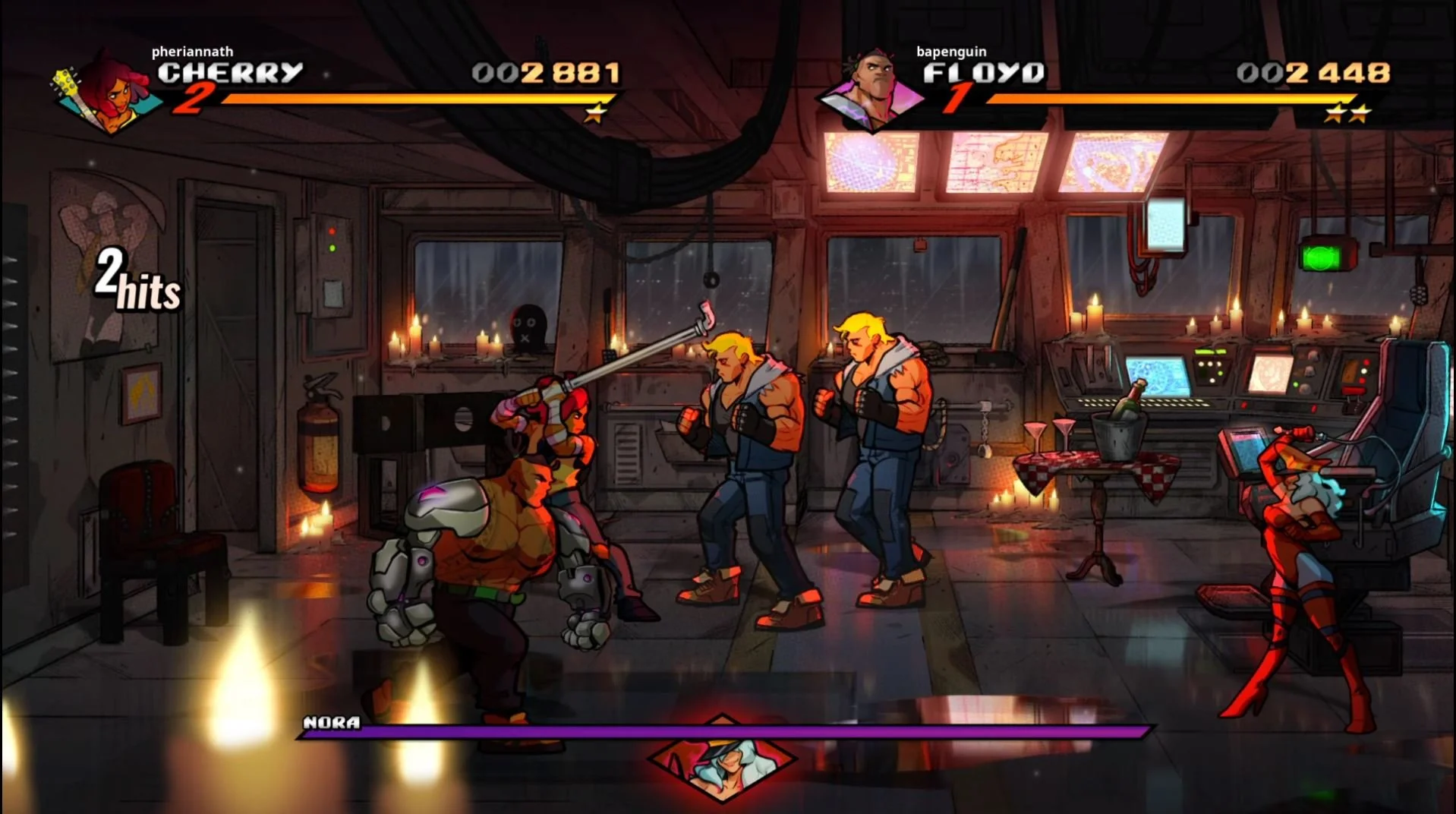
The Best Modern Beat ’Em Ups (As of 2026)

The Best Modern Beat ’Em Ups (As of 2026)

It’s been a couple years since I did my last video about modern beat ’em ups. So, let’s talk about the best co-op modern beat ’em ups as of 2026.

This is always a controversial topic. I know nobody ever really agrees on these things. These are just my favorite games. The ones I actually want to sit down and play from beginning to end with friends.

Let’s count them down.

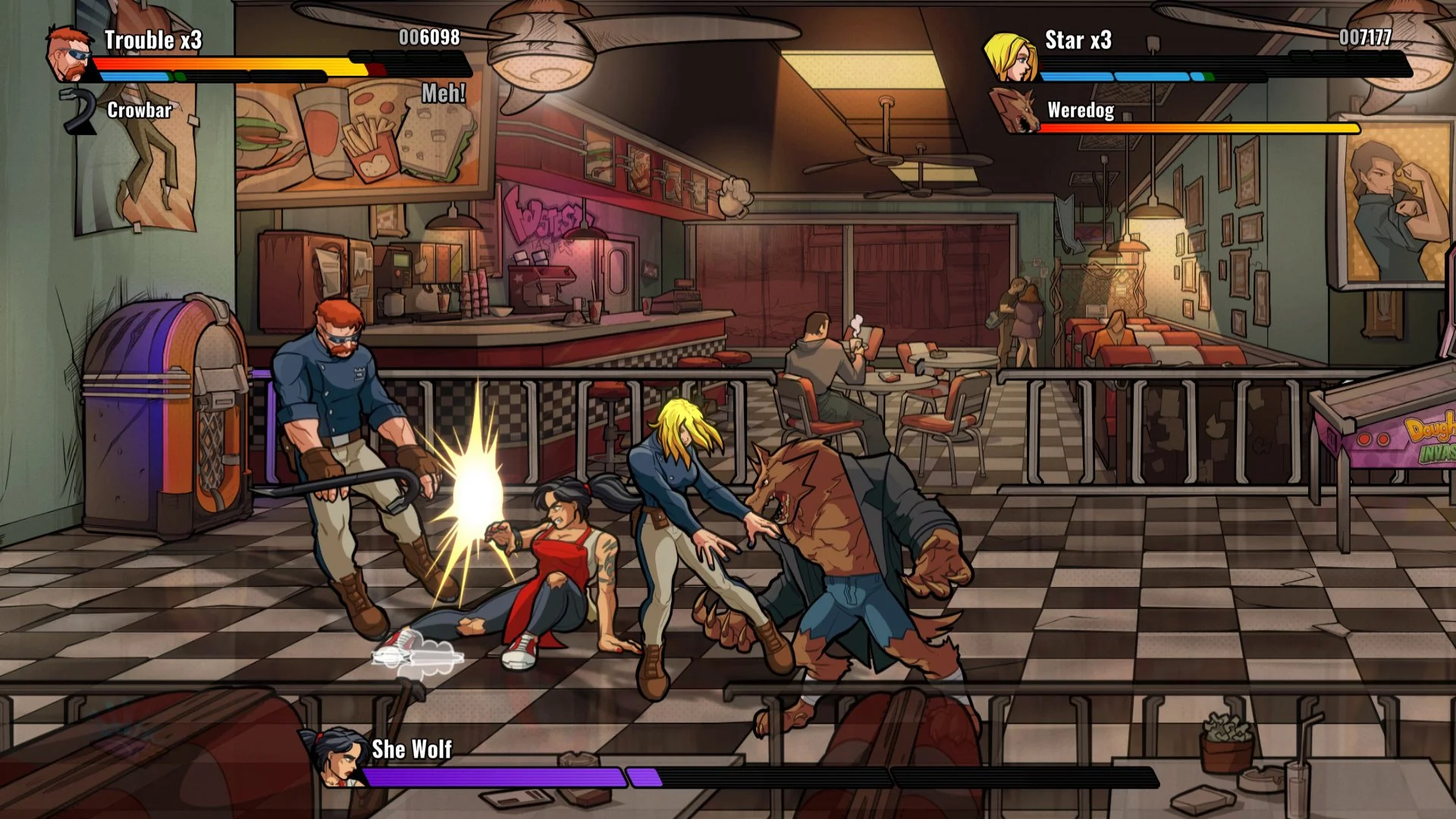
#20 – Mayhem Brawler

Players: 2 Local
Platform: PS4, Xbox One, Switch, PC
Notable Features: Branching paths, comic book art style, five playable characters

This is one that I played quite a bit when it came out. It has branching paths. It has a really cool comic book art style. There are five playable characters. The gameplay is solid, even though it’s clearly inspired by Streets of Rage 4. But that’s not exactly a bad thing since that’s an excellent game.


#19 – Jitsu Squad

Players: 4 Local
Platform: PS4, PS5, Xbox, Switch, PC
Notable Features: Hand-drawn art, fast combo system, anthropomorphic ninja characters

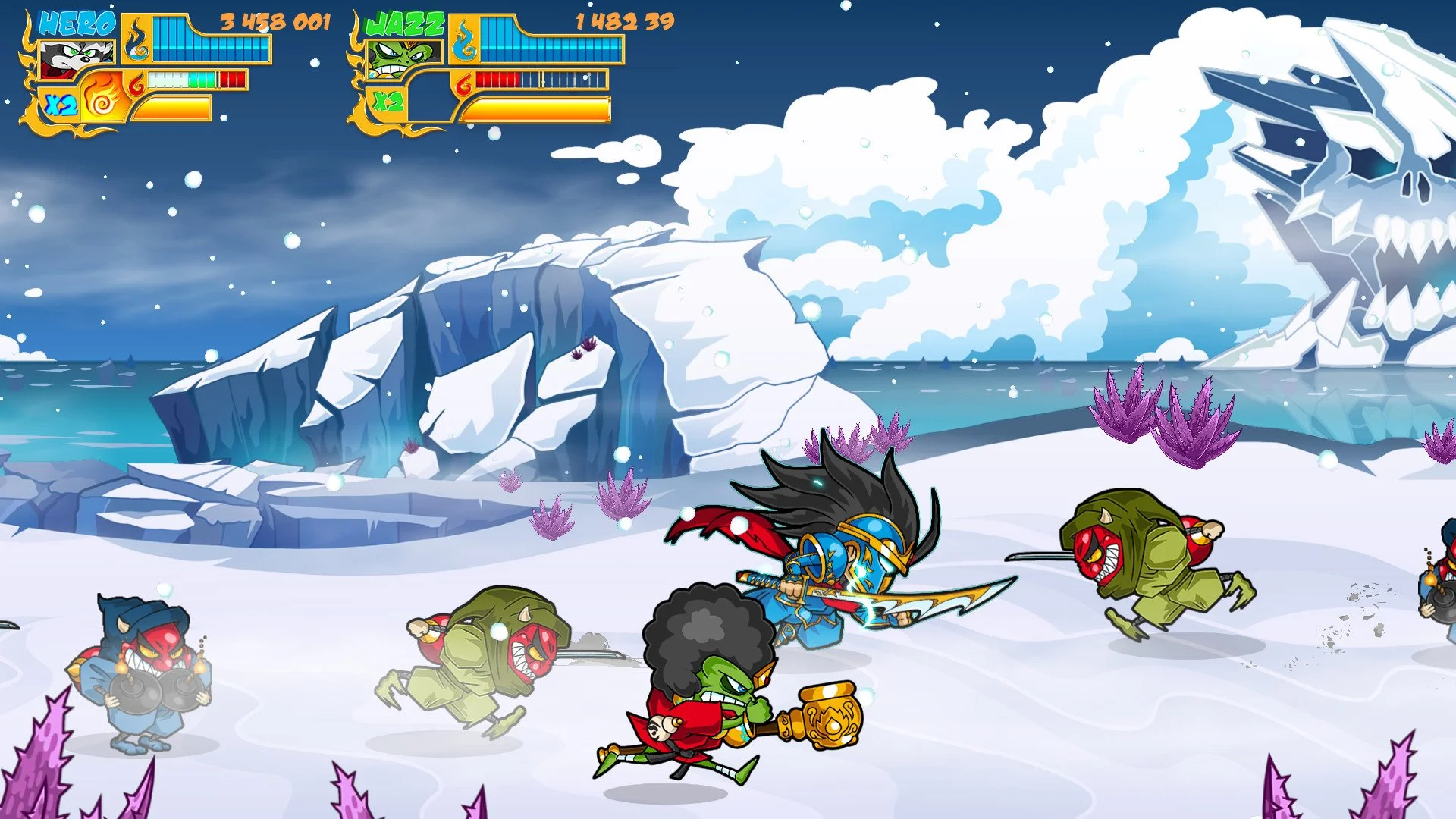
I didn’t play this one until recently. You can play with up to four players locally. It has a really cool hand-drawn art style, and you play as these anthropomorphic ninja animal characters. It definitely has a ’90s Saturday morning cartoon vibe. It’s incredibly fast-paced with lots of combos and infinite juggling.


#18 – Vengeance Hunters

Players: 2 Local
Platform: Neo Geo (AES/MVS), PC
Notable Features: Classic arcade feel, three selectable characters, pixel art.

Built for Neo Geo hardware. Two-player co-op. Three selectable characters. This isn’t trying to reinvent the wheel. It just feels like a really good arcade-style old school brawler.


#17 – Young Souls

Players: 2 Local
Platform: PS4, PS5, Xbox, Switch, PC
Notable Features: Action RPG elements, loot system, story focus

This one doesn’t get talked about enough. It incorporates a lot of action RPG elements and has a pretty in-depth story where you follow two kids. There’s loot, weapons, armor, accessories. And it feels like it was really built around two-player co-op.


#16 – Power Rangers: Rita's Rewind

Players: 6 Local
Platform: PS4, PS5, Xbox, Switch, PC
Notable Features: Six-player co-op, Megazord battles, gameplay variety

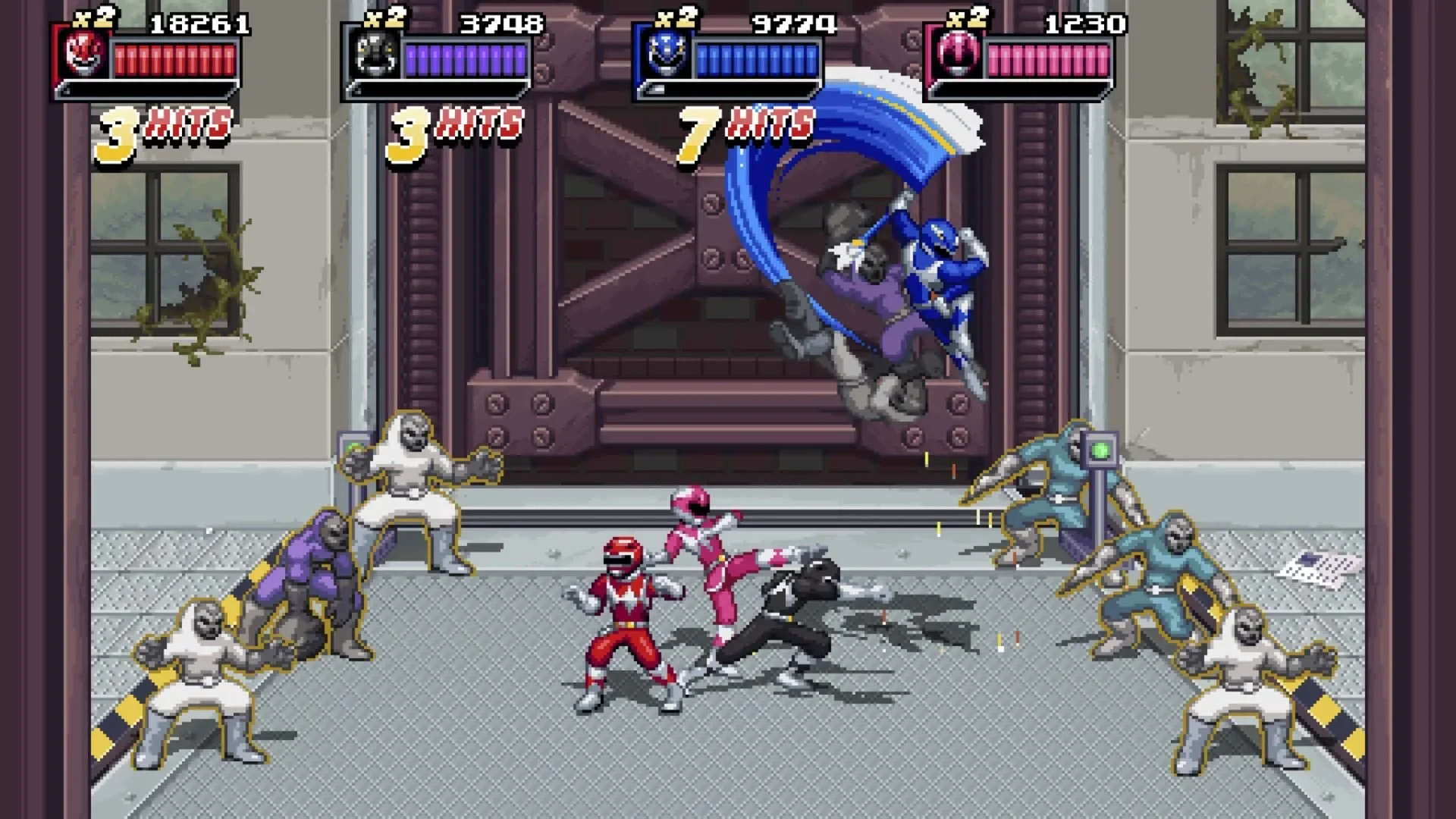
You can play this one with up to six players locally. It changes things up between levels with on-rail shooter sections and big Megazord boss fights. It had some balance issues at launch, but after updates, it felt a lot better. I think this is an excellent beat ’em up.


#15 – Paprium

Players: 2 Local
Platform: Sega Genesis
Notable Features: Genesis exclusive, huge cartridge, impressive presentation

This one was controversial due to the developers. It’s exclusive to the Sega Genesis. For a long time, you couldn’t emulate it. But ultimately, I think this is an excellent beat ’em up and incredibly impressive for the hardware. I love the art style and the music. It’s just cool seeing new games on old hardware.


#14 – Wendigo Blue

Players: 4 Local
Platform: PC (Early Access)
Notable Features: Skill tree, character upgrades, strong combo system

Four-player co-op. Skill trees. Customization. As you go through levels, you earn skill points and upgrade your characters. It’s still in early access, but it feels really polished. Pixel art is awesome. The soundtrack is great. Very underrated.


#13 – Marvel Cosmic Invasion

Players: 4 Local
Platform: PS5, Xbox Series, Switch, PC
Notable Features: ’90s arcade vibe, large roster, pixel art

This feels like the old Marvel arcade games from the ’90s. Excellent pixel art. Solid gameplay. My only issue is that it felt a little too long and got repetitive halfway through. But I love the variety of characters.


#12 – Mighty Final Fight Forever

Players: 2 Local
Platform: PC (Fan Game)
Notable Features: Expanded roster, new moves, NES-style presentation

This is a fan-made follow-up to Mighty Final Fight on NES. The original was single-player only. This adds two-player co-op, new characters, new moves, and tons of extra content. As a fan game, it’s incredibly impressive.


#11 – Final Vendetta

Players: 2 Local
Platform: PS4, PS5, Xbox, Switch, PC, Neo Geo
Notable Features: Arcade length, high difficulty, straightforward combat

This one is clearly inspired by Streets of Rage and Final Fight. No roguelike systems. No RPG mechanics. Just straightforward brawling. Only six levels, meant to be played in one sitting. It’s difficult, but incredibly tight and satisfying.


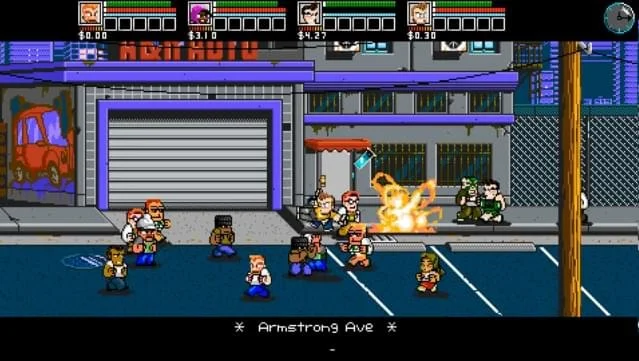
#10 – River City Girls 2

Players: 4 Local
Platform: PS4, PS5, Xbox, Switch, PC
Notable Features: Open city progression, RPG elements, crossover characters

Set in the River City Ransom world. It has nonlinear city progression and RPG mechanics. There was even DLC where you can play as Billy and Jimmy from Double Dragon. I prefer this over the first River City Girls.


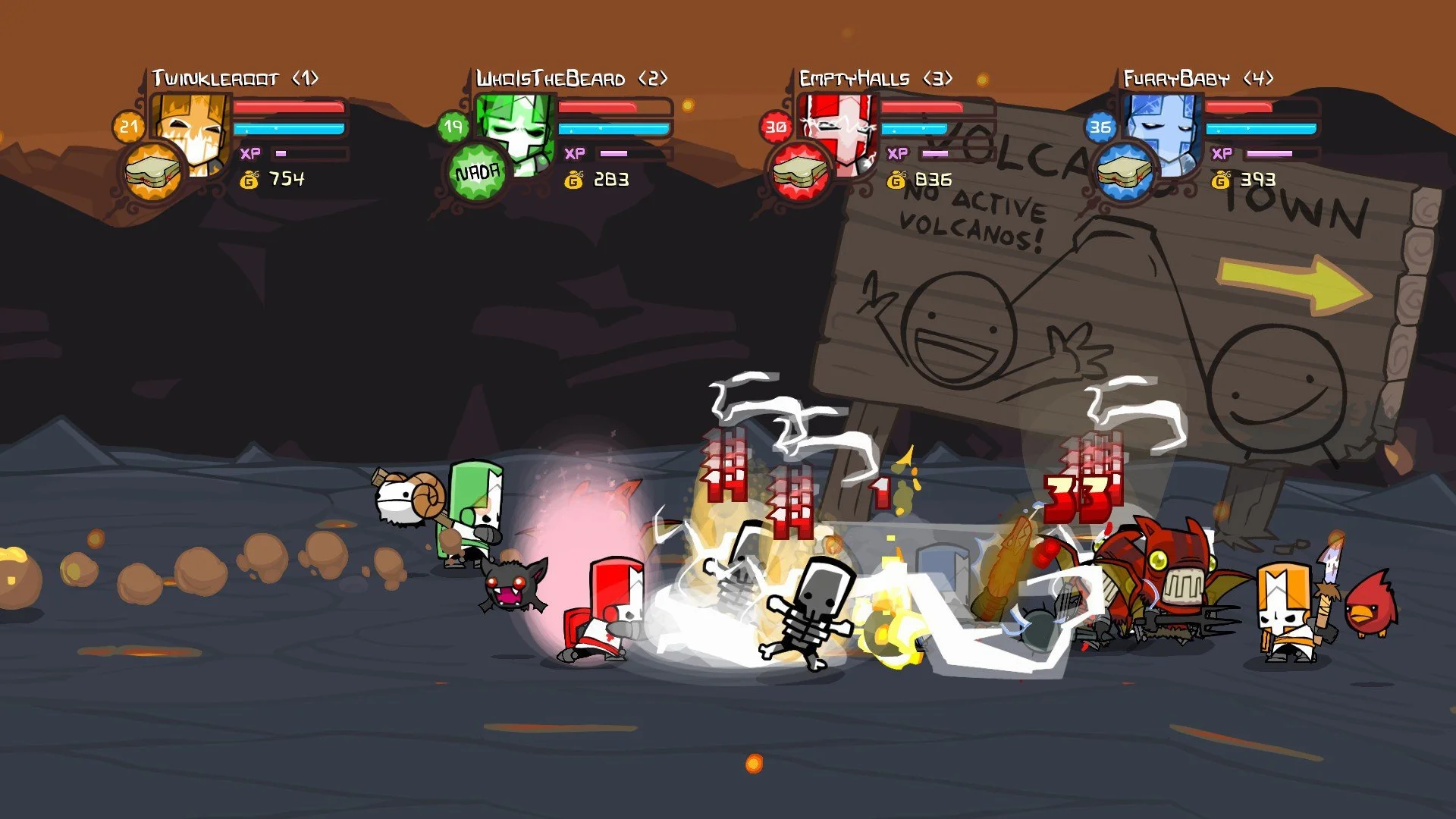
#9 – Castle Crashers

Players: 4 Local
Platform: Xbox, PlayStation, Switch, PC
Notable Features: RPG progression, four-player co-op focus

This is the game that really brought beat ’em ups back into the mainstream. Four-player co-op was the big draw. It added RPG elements. It’s still important to the genre.


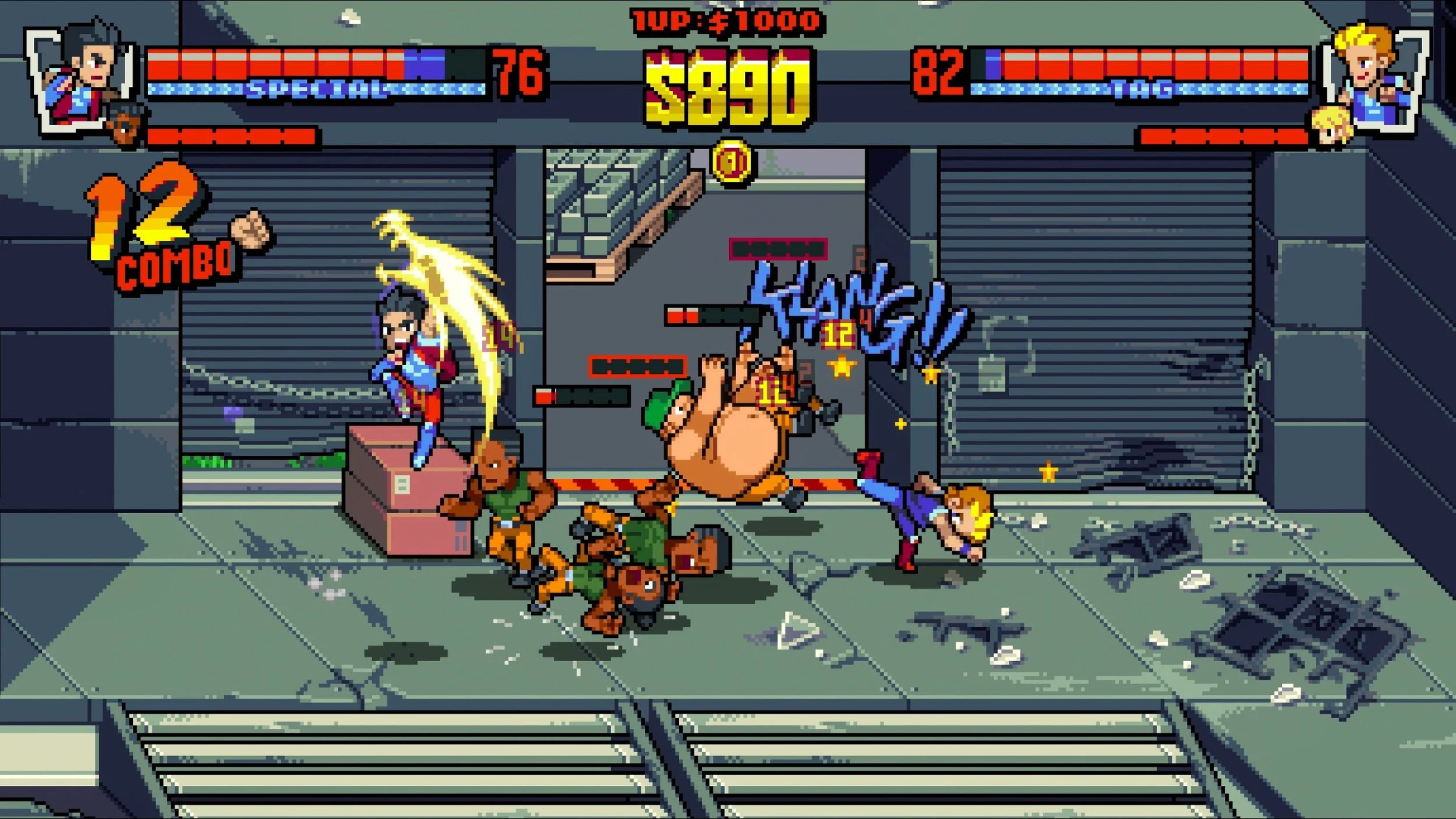
#8 – Double Dragon Gaiden: Rise of the Dragons

Players: 2 Local
Platform: PS4, PS5, Xbox, Switch, PC
Notable Features: Roguelike structure, tag-team system, unlockables

You pick two characters and switch between them on the fly. Between missions, you upgrade stats and unlock abilities. We’ve had a handful of new Double Dragon games recently, but I think this is the best of the bunch.


#7 – Mother Russia Bleeds

Players: 4 Local
Platform: PS4, Xbox One, Switch, PC
Notable Features: Brutal combat, Necro mechanic, weapon variety

By far the most brutal game on this list. Fast-paced. Violent. You can use the drug Necro to heal or go berserk. It’s one of my favorite games to play start to finish in one sitting with friends.


#6 – River City Ransom: Underground

Players: 4 Local
Platform: PC
Notable Features: Deep combo system, RPG upgrades, long campaign

In my opinion, this is the best River City Ransom sequel. Four-player co-op. Open world elements. Tons of characters and content. It was recently delisted from Steam due to licensing issues, which is unfortunate. If you have access to it, I highly recommend playing it.


#5 – Streets of Rage Remake

Players: 2 Local
Platform: PC
Notable Features: Merges original trilogy, branching paths, widescreen support

A fan-made remake that merges the original Streets of Rage trilogy into one package. Branching paths, improved AI, restored content, remix soundtrack. If you grew up with the series, this is a really cool way to re-experience it.


#4 – Fight'N Rage

Players: 3 Local
Platform: PS4, Xbox One, Switch, PC
Notable Features: Massive combo system, branching paths, multiple endings

Straightforward arcade gameplay but with huge combos and juggle potential. Works well for button mashers or technical players. When everyone’s on the same page, it’s incredibly rewarding.


#3 – Teenage Mutant Ninja Turtles: Shredder's Revenge

Players: 6 Local
Platform: PS4, PS5, Xbox, Switch, PC
Notable Features: Six-player chaos, pixel art, classic voice actors

One of the few six-player beat ’em ups. You can play as Splinter, April, Casey Jones. Beautiful pixel art. Great soundtrack. It takes everything from the old TMNT games and improves on it.


#2 – Streets of Rage 4

Players: 4 Local
Platform: PS4, Xbox One, Switch, PC
Notable Features: Combat refinements, quality-of-life improvements, combo depth

Takes everything from the original trilogy and improves on it. Separate pickup button. Better enemy behavior. Smarter use of desperation moves. I still think Streets of Rage 2 might be the greatest ever, but for modern beat ’em ups, this is nearly perfect.


#1 – Absolum

Players: 2 Local
Platform: PS5, Xbox Series, PC
Notable Features: Roguelike structure, deep combat, high replayability

Made by the Streets of Rage 4 developers. It takes that formula and pushes it somewhere new. It adds roguelike elements, which I’m usually not a fan of, but the combat feels so good that it doesn’t matter when you lose progress. It never got old. There’s so much content and replayability.

At its core, it’s still a beat ’em up. And it’s a really, really good one. That’s why I think it’s the best modern beat ’em up so far.


So there you go. That’s my top 20 co-op modern beat ’em ups. What’s your favorite?

The 20 Best Couch Co-Op Games on Nintendo Switch (All-Time Ranking)

When it comes to modern gaming, the Nintendo Switch is the king of couch co-op. Between Nintendo’s first-party lineup, a strong third-party library, and a ton of incredible indie releases, the Switch has more local multiplayer bangers than any modern console.

So here’s my personal list of the top 20 all-time best couch co-op games on Nintendo Switch, counting down from #20 to #1.


#20 — Castle Crashers Remastered

Players: 1–4 Local
Genre: Beat ’em up / Action RPG
Original Release: 2008 (Remastered on Switch 2019)
Best With: 3–4 players

Castle Crashers is the game that got me back into gaming. For a while I felt like couch co-op was disappearing, and then this throwback beat ’em up reminded me why I love games in the first place.

The combat is simple and satisfying, the humor is great, and the real magic is the four-player co-op. It’s chaotic in the best way, and it’s still one of my all-time favorites to play with friends.


#19 — Diablo III: Eternal Collection

Players: 1–4 Local
Genre: Action RPG / Dungeon Crawler
Switch Release: 2018
Best With: 2–4 players

A lot of people still consider this the peak of the Diablo series — and it’s easy to see why. You get drop-in, drop-out couch co-op for up to four players on one screen, and the whole game is built around constant forward momentum.

Between the story campaign, Adventure Mode, rifts, seasons, and endless loot grinding, there’s always something to chase. Every few minutes you’re upgrading gear, refining builds, or finding some ridiculous legendary item. It’s flexible too: you can run a quick rift or lose an entire weekend with friends.


#18 — Lovers in a Dangerous Spacetime

Players: 1–4 Local
Genre: Action / Space Shooter / Party
Switch Release: 2017
Best With: 3–4 players

This is one of those indie games that feels like it was designed specifically for co-op. It’s best with four players, because you’re all managing different stations on a spaceship — engines, weapons, shields, map — and you constantly have to rotate roles to survive.

It looks cute and whimsical, but it gets frantic fast. Communication is essential, and when things go wrong, it’s hilarious… and sometimes extremely frustrating.


Players: 1–2 Local (Split-Screen)
Genre: Musou / Action
Switch Release: 2020
Best With: 2 players

Basically Dynasty Warriors with Zelda characters, and a full prequel story to Breath of the Wild. You can play the entire game in split-screen co-op, and it’s packed with fan service and character moments.

The one drawback: the frame rate can take a hit in split-screen, especially during massive battles. But if you can live with that, the gameplay is awesome — especially if you already like Warriors-style combat.


#16 — Overcooked

Players: 1–4 Local
Genre: Party / Simulation
Switch Release: 2017
Best With: 3–4 players

Overcooked became a co-op phenomenon for a reason. It’s the perfect party game… as long as you’re ready to argue.

You’re running a kitchen under pressure: prep food, wash dishes, serve orders, and try not to fall apart as a team. The chaos is the fun. I recommend 3 players minimum, but 4 is ideal.


#15 — Unravel Two

Players: 1–2 Local
Genre: Puzzle Platformer
Switch Release: 2019
Best With: 2 players

Unravel Two is a co-op puzzle platformer built completely around teamwork. You and your partner control two yarn characters tethered together, which means every obstacle becomes a communication challenge.

Sometimes one player swings while the other anchors. Other times you’re pulling each other up, timing jumps together, and solving puzzles that only make sense when you cooperate. It’s one of the best co-op platformers I’ve ever played — and it’s not overly long, so it’s easy to finish in a couple sessions.


#14 — Children of Morta

Players: 1–2 Local
Genre: Action RPG / Roguelite
Switch Release: 2019
Best With: 2 players

A heartfelt action roguelite RPG with some of the best pixel art you’ll see in modern games. The whole story supports local co-op start to finish — no unlocks, no gimmicks.

You play as members of the Bergson family, each with their own fighting style: ranged, melee, magic, brawlers, agile rogues. It’s also one of those rare roguelites that actually cares about story, with narration and emotional cutscenes that continue even after failed runs.

It’s difficult, but incredibly rewarding with the right co-op partner.


#13 — Cuphead

Players: 1–2 Local
Genre: Run & Gun / Boss Rush
Switch Release: 2019
Best With: 2 players

Cuphead is one of those rare indie games that truly took over the world. The hand-drawn 1930s cartoon art style is unbelievably good — but it’s not just visuals. The gameplay is rock solid too.

It’s basically a run-and-gun platformer heavily focused on boss fights, and it’s brutally difficult. I played it with my brother and we died an absurd amount of times. But beating it together is one of the most satisfying co-op experiences out there.


#12 — Super Mario 3D World + Bowser’s Fury

Players: 1–4 Local
Genre: 3D Platformer
Switch Release: 2021
Best With: 2–4 players

Super Mario 3D World is an all-time great 3D platformer, and it’s a blast in co-op — though it can get frustrating depending on who you’re playing with.

The camera can be unpredictable, and sometimes it follows one player while everyone else gets forced into bubbles. With younger players especially, that can cause chaos. Still: as a pure platformer, it’s one of the best ever made.


#11 — Kirby’s Return to Dreamland Deluxe

Players: 1–4 Local
Genre: 2D Platformer
Switch Release: 2023
Best With: 2–4 players

Kirby’s Return to Dreamland is one of the best entries in the series, and it supports up to four players. It’s classic Kirby: colorful levels, fun abilities, light puzzles, and boss fights.

It’s accessible for younger players without feeling boring for experienced ones. Kirby is always reliable for relaxed co-op, and if you want something you can enjoy without pulling your hair out, this is perfect.


#10 — Rayman Legends

Players: 1–4 Local
Genre: 2D Platformer
Switch Release: 2017
Best With: 2–4 players

Rayman Legends is a four-player platformer with some of the tightest movement and level design ever. The famous music-based stages are especially incredible — jumping and attacking in sync with the beat is some of my favorite platforming design of all time.

It’s easy to pick up, but later levels get tough. I can’t say enough about this one — it’s one of the best platformers ever made.


#9 — Captain Toad: Treasure Tracker

Players: 1–2 Local
Genre: Puzzle / Adventure
Switch Release: 2018
Best With: 2 players

Originally single-player on Wii U, the Switch version added co-op. This game is all about rotating 3D environments, finding secrets, and solving puzzles through observation and timing.

There are two co-op styles: Player 2 can use a cursor assist mode, or you can play with a second Toad for a more equal co-op experience. It’s slower-paced, clever, and genuinely unique.


#8 — Sea of Stars (Co-Op Update)

Players: 1–3 Local (Update)
Genre: Turn-Based RPG
Switch Release: 2023 (Co-op Update 2024)
Best With: 2–3 players

Sea of Stars was originally single-player, but the update/DLC titled Dawn of Equinox added three-player local co-op for the full story — which is exactly what I’d been waiting for.

It’s a gorgeous RPG with active turn-based combat, strong pacing, and a long story built for co-op. There still aren’t enough co-op RPGs, and this is one of the best modern ones on Switch.


#7 — Blazing Chrome

Players: 1–2 Local
Genre: Run & Gun
Switch Release: 2019
Best With: 2 players

If you love Contra, you need to play Blazing Chrome. It’s a 16-bit inspired run-and-gun shooter that feels like an homage to the Super Nintendo and Genesis entries — but it’s so tight it might actually surpass what inspired it.

Great art, great gameplay, great music. One of the best run-and-guns of all time.


#6 — Pikmin 3 Deluxe

Players: 1–2 Local (Campaign)
Genre: Strategy / Puzzle
Switch Release: 2020
Best With: 2 players

Pikmin 3 Deluxe is a fantastic port that added co-op, and it’s one of the best equal co-op experiences on Switch. It blends real-time strategy with exploration and puzzle solving, and co-op lets you split responsibilities: one player handles combat while the other manages multitasking and exploration.

It’s especially frustrating that Pikmin 4 didn’t keep this full co-op approach, because Pikmin 3 Deluxe absolutely nailed it.


#5 — TMNT: Shredder’s Revenge

Players: 1–6 Local
Genre: Beat ’em up
Switch Release: 2022
Best With: 3–6 players

I genuinely can’t think of anything they could’ve done to make this game better. It’s exactly what you want from a TMNT beat ’em up: beautiful pixel art, tight pacing, great soundtrack, and up to six players.

It’s the best TMNT game ever made — and alongside Streets of Rage 4, it set the bar for modern beat ’em ups.


#4 — Super Mario Bros. Wonder

Players: 1–4 Local
Genre: 2D Platformer
Switch Release: 2023
Best With: 2–4 players

Mario Wonder is the evolution of 2D Mario I’ve been waiting for. The art style finally feels fresh and expressive again, and the co-op design is a big step up too. It doesn’t feel like the game is constantly trying to sabotage your teammates.

You’ve got more playable characters, tight controls, tons of creativity, and Wonder effects that keep the entire game feeling surprising. I played this nonstop with my daughter until we beat it.


#3 — Streets of Rage 4

Players: 1–4 Local
Genre: Beat ’em up
Switch Release: 2020
Best With: 2–4 players

Streets of Rage 2 used to be my all-time go-to beat ’em up, and I still think it’s in the conversation for greatest ever. Streets of Rage 4 didn’t just bring the series back — it modernized it in a way that actually feels right.

Better combat flow, quality-of-life improvements, incredible co-op, and a soundtrack that rules. It’s the modern gold standard for beat ’em ups.


#2 — Portal 2

Players: 1–2 Local (Co-op Campaign)
Genre: Puzzle
Switch Release: 2022
Best With: 2 players

Portal 2 is one of the smartest games ever made — and the co-op campaign is one of the best two-player experiences of all time. It’s a fully fleshed-out separate campaign that forces real communication. You have to cooperate. There’s no brute forcing it.

The puzzles get more complex as you go, and the writing is still some of the funniest in gaming. It’s a masterpiece.


#1 — It Takes Two

Players: 2 Local Only
Genre: Action / Puzzle Platformer
Switch Release: 2022
Best With: 2 players

You can’t talk about co-op gaming without It Takes Two. It’s designed exclusively for co-op — no single-player option — and every level introduces new mechanics and genre twists so it never gets stale.

Each player gets unique abilities constantly, and nearly every moment requires coordination, timing, and teamwork. Until something surpasses it, It Takes Two is the gold standard for modern co-op gaming.


Final Thoughts

That’s my top 20 all-time best couch co-op games on Nintendo Switch.

There are plenty of other games I could’ve included, but these are the ones I keep coming back to. What are your favorites — and what do you think I missed?